Wolf Protection: What the Downgrading in the Bern Convention Means
Protection status lowered, open season, the hunt for the wolf is on, right? Wolf opponents are fond of suggesting exactly this. The truth, however, is: the wolf still remains under strict protection, but its transfer from Annex II to Annex III of the Bern Convention is the first step toward changing that.

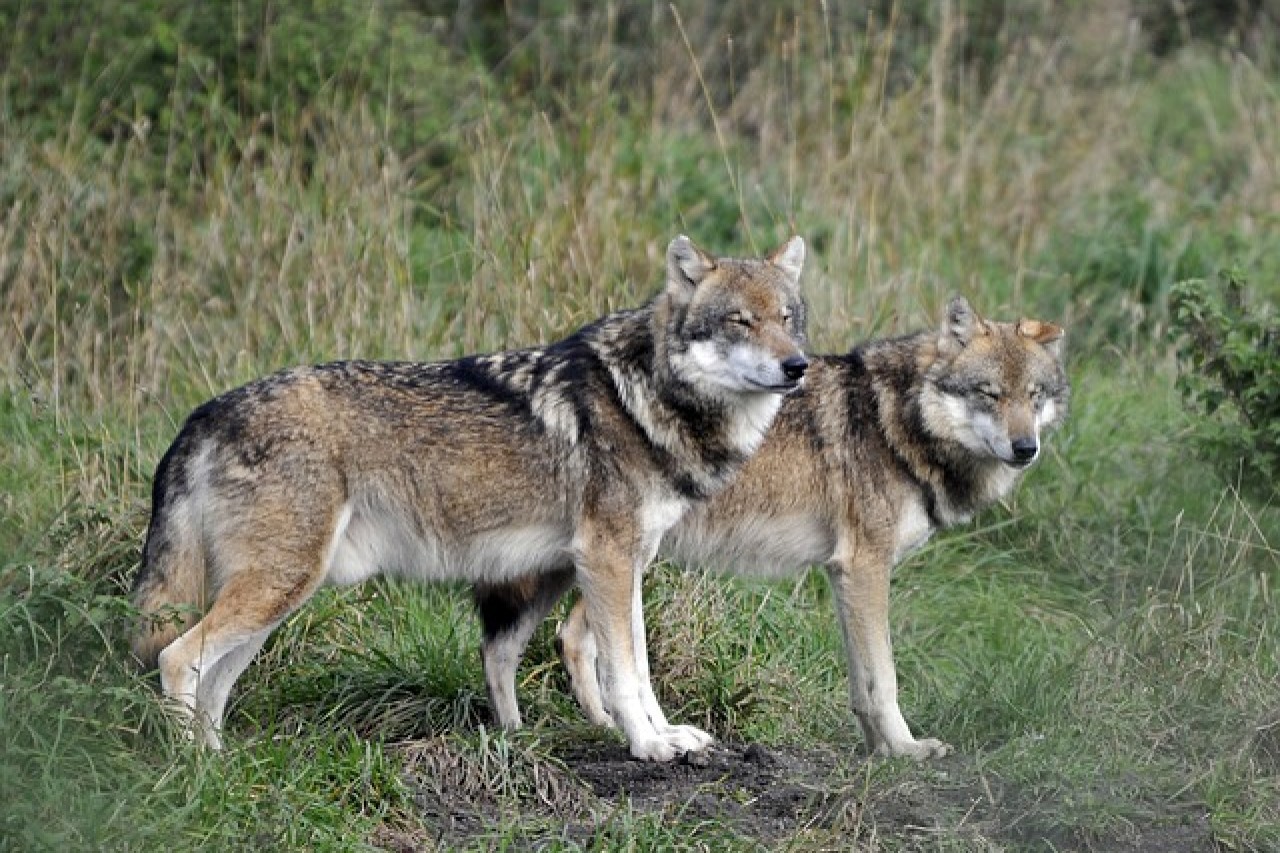
Annex II of the Bern Convention of 1979 lists strictly protected animal species.
They are subject to a general prohibition on killing, which allows for limited exceptions. The wolf, however, is no longer listed in Annex II but in Annex III. The general prohibition on killing under the Bern Convention has therefore been lifted.
Nevertheless, EU member states have committed to species protection under a further directive: the Habitats Directive (FFH Directive or Directive 92/43/EEC) represents the implementation of the Bern Convention at EU level with regard to strict species protection. The wolf continues to be listed in Annex IV of this directive and is therefore strictly protected.
Protection Status Not Yet Changed in Practice
In practice, the level of protection for the wolf has therefore still not changed; it continues to be subject to the general prohibition on killing under the EU-wide Habitats Directive, with very limited possibilities for exceptions pursuant to Article 12.
However, the reduction of the wolf's protection status under the Bern Convention, which has now come into force, opens up the possibility of also lowering it in the Habitats Directive. It would then be moved from Annex IV to Annex V, thereby losing its strict protection. It would then become one of the animal species of community interest “whose taking in the wild and exploitation may be subject to management measures.” The general prohibition on killing under the Habitats Directive would therefore no longer apply. However, downgrading the wolf in the Habitats Directive requires the unanimous agreement of all 27 EU member states. In Switzerland, too, the senseless recreational hunting of wolves is highly controversial.
The next step is implementation at the level of individual member states, and only then would the reduced protection status take effect.
Uncontrolled hunting not possible
Uncontrolled hunting, or even the establishment of wolf-free zones as often advocated by opponents of the wolf, is not possible even after the reduction of protection status by individual nation states. Under Annex III of the Bern Convention, the wolf is no longer a strictly protected species, but it remains a protected one. This means that it must be ensured that the survival of the wolf population is not put at risk.
The status reduction in the Bern Convention therefore by no means means “free fire” — but it is the first step toward the hunting of wolves. It is a fatal signal for European species protection, as the decision was not based on scientific grounds but was purely politically motivated. The favourable conservation status of the wolf population has not been even remotely achieved, either across the EU or in individual countries, and large areas of the EU remain wolf-free to this day. As studies demonstrate, recreational hunting fails as a means of population control.
A breach in the dam for species protection
The decision to downgrade the protection status of wolves due to a lack of scientific evidence represents a significant setback for nature conservation and democratic processes in Europe. It violates established procedures, lacks scientific justification, and poses a direct threat to biodiversity. It also contradicts the fundamental principles of the Bern Convention itself, which, as stated in its preamble, recognises the intrinsic value and right to life of wild flora and fauna, which must be preserved and passed on to future generations. More on Biodiversity.
The decision could be a breaking of the dam that may affect other animal species as well, including the beaver or the European otter.
Recreational hunting of wolves will prove counterproductive for livestock protection; the disappointed hopes will serve as grist to the mill of wolf agitators. The best protection for grazing animals against wolves is good technical herd protection and/or the use of livestock guardian dogs, as well as stable wolf packs in stable territories where the territorial wolves have learned that fences hurt.
Further articles
- Swiss meadows are losing biodiversity at an alarming rate
- When sheep, cattle and others occupy wildlife habitat
- Swiss animal protection organisation criticises planned wolf culls as a threat to pack structures and livestock protection
- Wolf incompetence rages in Graubünden
- Val Fex: When the livestock protection concept is more full of holes than the fence
- Culling instead of protection – Switzerland on the path to silent wolf extermination
- Communication failures at the Office for Hunting and Fishing Graubünden
- Illegal wolf hunting in Switzerland
- Wolf cubs in Switzerland under crossfire
- Switzerland sells massacre of wolves as a success
- Sloppiness in the office of Katrin Schneeberger
- Livestock grazing alters soil, plant and insect populations
- The insane hunt for wolves in Switzerland
- The truth about sheep mortality in Switzerland: causes and statistics
- Wolf culls in Switzerland: concerns about party politician Albert Rösti
- Let us stop the SVP’s destructive fury
- Participatory campaign: An appeal for change in Switzerland
- 200 environmental organisations from 6 continents call on the Swiss government: Stop the wolf cull
- Federal Council faces sharp criticism from wolf experts
- The consequences of controversial wolf management in Switzerland
- Wolf: Federal Councillor Rösti (SVP) Circumvents Law and Order
- A Farmer's Boy I Won't Warn
- Are FOEN and Hunting Administrations Still Working Diligently?
- Federal Councillor Albert Rösti Tramples the Will of the People
- The Consequences of Controversial Wolf Management in Switzerland
- Too Many Sheep Harm Biodiversity
- Agricultural Use Destroys Alpine Meadows
- Kills Despite Herd Protection — How Is That Possible?
- The Rotten Apple in St. Gallen's Hunting Administration
- Pro Natura Demands a Comprehensive Strategy for Summer Sheep Grazing
- According to Agridea Study, Herd Protection with Dogs Works Well
- Thanks to Herd Protection, Wolves Kill Fewer Livestock in Switzerland
- Farmers Treat Fields as Disposal Sites
- Biomass of Wildlife
- On Sheep Farmers and Vague Authorities
- The Double Standards of Wolf Opponents
More on the subject of recreational hunting: The scientific evidence is presented in the overview Studies on the Effects of Recreational Hunting.
The position of IG Wild beim Wild: IG Wild beim Wild rejects recreational hunting. Our model is the canton of Geneva, which has managed without recreational hunting since 1974: without hunting seasons, without hunting dogs, without driven hunts, without high seats, without the animal cruelty and crime that go hand in hand with hunting season elsewhere. What has worked there for over fifty years disproves every position paper by JagdSchweiz. An association that bases its policy on claims it refutes in its own documents is not a professional organisation, but a factory for misinformation.