When Sheep, Cattle and Co. Occupy Wildlife Space
A critical look at alpine farming, biomass utilization and the consequences for native wildlife populations.

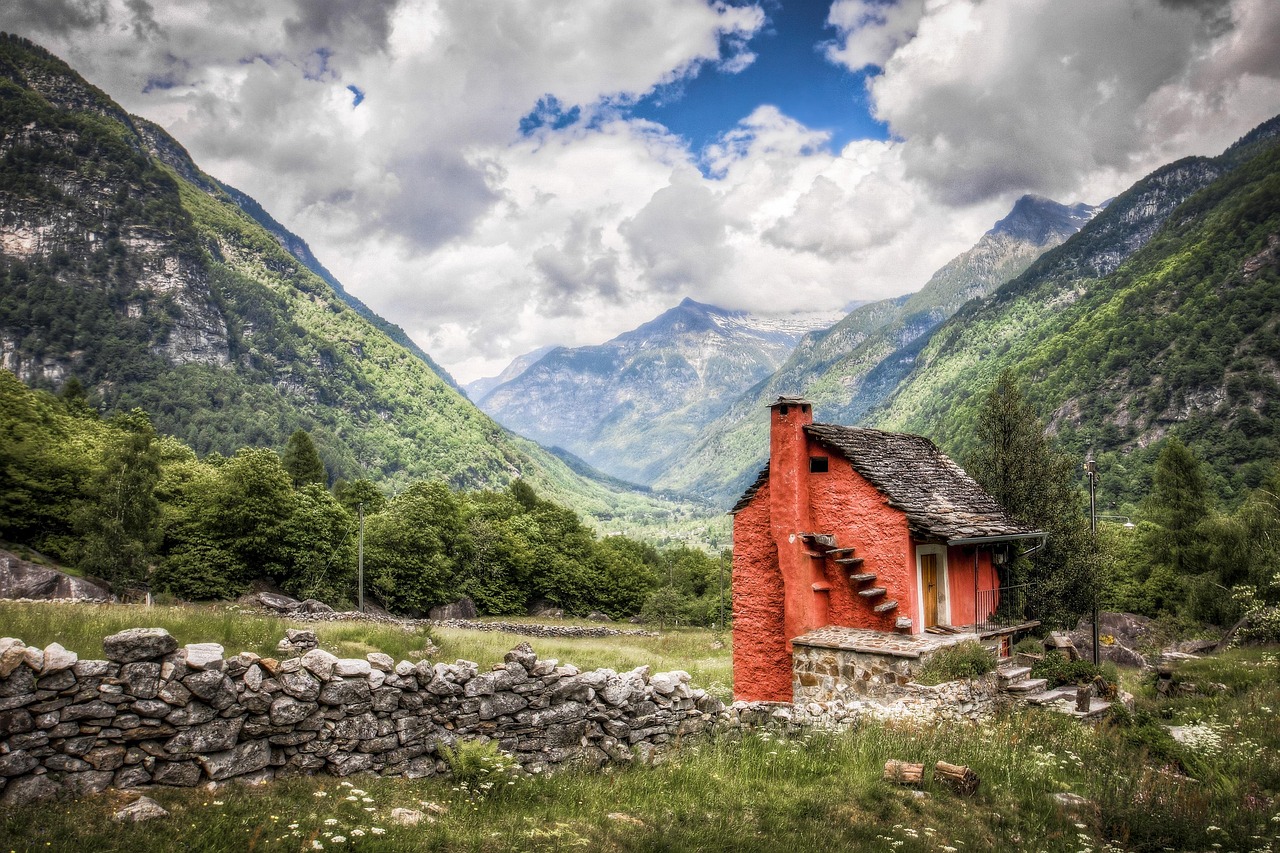
The Alps – for many, a place of longing for wild nature.
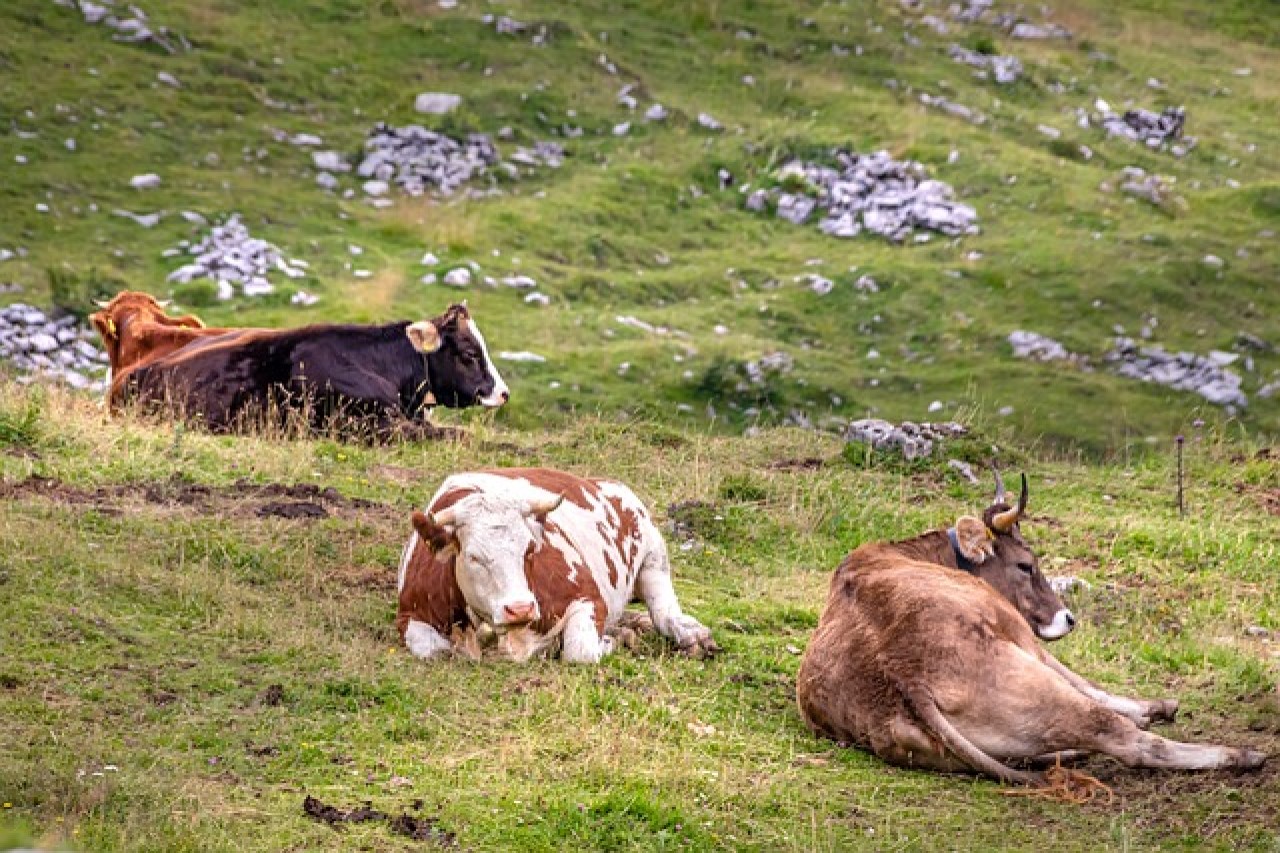
Yet the reality looks different: across large parts of the mountain landscape, livestock farming (cattle, sheep, goats) not only demands fodder – it actively claims space, restructures habitats and thereby alters the prospects for roe deer, chamois, red deer & Co.
Not only climatic changes and forestry influence the mountain landscape – the expansive and large-scale keeping of animals on alpine pastures also plays a central role.
Particularly with regard to the relationship between domesticated grazing animals and wild-living animals, livestock farming now raises relevant questions. The following summarizes key facts – with a focus on how the use of biomass by livestock can constrain wildlife habitats.
Switzerland has around one million hectares of agricultural land – the proportion of natural meadows and pastureland is high. In Austria, hundreds of thousands of farms keep large stocks: the current annual figures alone show millions of head of livestock (cattle, sheep, pigs) – and hundreds of thousands of sheep are deployed seasonally in the Alps. Millions of hectares of meadows and hundreds of thousands of livestock represent an enormous annual extraction of above-ground biomass – in places where wildlife would otherwise feed or find rest.
Grazing alters vegetation structure, soil and cover. Intensive or monotonous grazing creates open, low-lying areas with fewer hiding and nesting opportunities for ground-nesting birds, small mammals and the young of large mammals. Research in alpine regions reports that wild species such as chamois respond sensitively to the presence of grazing animals and avoid areas of high utilization.
1. Livestock as Biomass Competitors for Wildlife
Alpine farming with cattle, sheep, and goats leads to considerable biomass utilization: grassland is harvested or grazed in large quantities, manure is deposited, and areas are intensively used. This has consequences:
- Studies show that the presence of grazing animals influences the production of above-ground biomass (grasses, herbs). When cattle and sheep seasonally or permanently graze the same areas in large quantities, less high-quality biomass is available for wild ruminants and small game — particularly during critical periods such as spring and late autumn.
- A overview on the use of semi-natural habitats in the EU shows: in the southern Alpine region, around 39.4% of semi-natural grassland areas are grazed.
- Wildlife research confirms: in the area of the Alpine ibex and chamois project, it was found that grazing or the presence of livestock can lead to the displacement or restriction of suitable wildlife habitats.
These figures make it clear: livestock claim biomass and space that would otherwise be available to wild animals (e.g. roe deer, chamois, red deer). When grassland areas are dominated by livestock, the availability of food, retreat areas, and suitable habitats for wildlife is reduced.
2. Space and Habitat Competition: Livestock vs. Wildlife
Wildlife ideally requires a mosaic of open areas, varying vegetation, retreat sites, and minimal disturbance. Livestock, however, alter the habitat:
- A research project explicitly describes: «Chamois … react very sensitively to cattle grazing and prefer areas without intensive livestock influence.»
- A study on bird life in pseudo-alpine grasses found: intensive grazing can lead to reduced cover, less food (e.g. arthropods), and thus poorer conditions for ground-nesting birds.
Thus it is not merely the presence of livestock that is at issue, but rather the manner and intensity of use. Where livestock occupy large areas, wild animals are left with fewer undisturbed spaces. Particularly in spring and summer, when wild animals seek high-quality forage, livestock actively compete through grazing, trampling damage, and the spread of manure and disease.
3. Grazing, Biomass Management, and Ecological Consequences
Alpine farming often claims to promote biodiversity – and in part, this is true. However, the effect is highly dependent on management practices and has its limits.
- A study shows: both extremes – overgrazing and the abandonment of grazing – can lead to problems.
- Livestock influence soil, vegetation, and biomass production – namely through resource extraction (grazing), trampling damage, and fertilization.
- While extensive grazing can be compatible under certain conditions, intensive use or monotonous use of large areas often leads to changes in vegetation structure – with consequences for wildlife that depend on specific structural features.
An aspect not to be overlooked: livestock do not only claim biomass – they also claim area time, movement corridors, and retreat spaces that may be unavailable to wildlife.
4. Consequences for Wildlife Management and Hunting Practice
Several implications arise from this for wildlife management:
- When livestock claim large areas on a seasonal basis, wildlife managers must consider: wildlife has fewer open areas available. This can lead to stress-related effects: lower body weights, increased winter mortality, and poorer reproduction.
- Nature and wildlife policy should not merely pit users (e.g. livestock farmers) against wildlife – but rather fairly compare spatial and biomass use: who uses how much land, how intensively, and how often?
- A further aspect: accessibility and retreat spaces. Wildlife requires both food and resting areas – areas with livestock are often more heavily frequented, noisier, and subject to trampling damage – compared to, for example, secluded areas.
- Conservation strategy can benefit from deliberately keeping alternative areas open for wildlife – or managing grazing land in such a way that wildlife is not permanently displaced.
5. Demands and Recommendations
From the perspective of the hunting-critical IG Wild beim Wild, the following demands can be derived:
- Transparency regarding livestock density & land share: How much land do livestock permanently occupy within a wildlife territory? What biomass is extracted? This data should be made publicly available.
- Zoning & scheduling: Grazing areas should be arranged so that wildlife takes priority in spring and autumn – livestock could be seasonally reduced in those areas.
- Wildlife-friendly grazing management: Livestock farming must not come at the expense of wildlife habitat: buffer zones, reduced user density, greater rotation.
- Monitoring of wildlife parameters: Body weight, survival rates, territory size. Wildlife must be measured within the livestock radius in order to document effects.
- Integration into nature conservation policy: Instead of “livestock vs. wildlife,” an integrated strategy should be pursued that takes both legitimate land-use claims into account – but with a fair distribution of space.
If we take wildlife seriously – their needs for space, biomass, and refuge areas – it becomes clear: livestock compete for these as well. The competition for biomass, habitat, and rest periods must not be ignored. From a nature conservation perspective in particular, this means: securing space for wildlife, not viewing livestock as the sole spatial factor, and actively managing this dynamic.
Further articles
- Swiss meadows are losing biodiversity at an alarming rate
- When sheep, cattle and co. occupy wildlife space
- Swiss animal protection criticises planned wolf culls as a threat to pack structures and livestock protection
- In Graubünden, wolf management incompetence runs rampant
- Val Fex: When the livestock protection concept has more holes than the fence
- Culling instead of protection – Switzerland on the path to silent wolf extermination
- Communication failures at the Office for Hunting and Fishing in Graubünden
- Illegal wolf hunting in Switzerland
- Wolf cubs in Switzerland caught in the crossfire
- Switzerland sells wolf massacre as a success
- Shoddy work in the office of Katrin Schneeberger
- Livestock grazing alters the soil, plant life, and insect populations
- The senseless hunt for wolves in Switzerland
- The truth about sheep mortality in Switzerland: causes and statistics
- Wolf culls in Switzerland: concern over party politician Albert Rösti
- Let us stop the SVP’s destructive fury
- Participatory campaign: An appeal for change in Switzerland
- 200 environmental organisations from 6 continents urge the Swiss government: Stop the wolf cull
- Federal Council comes under heavy criticism from wolf experts
- The consequences of controversial wolf management in Switzerland
- Wolf: Federal Councillor Rösti (SVP) circumvents law and order
- Es Burebüebli mahn i nit
- Are BAFU and the hunting authorities still doing their jobs properly?
- Federal Councillor Albert Rösti tramples on the will of the people
- The consequences of controversial wolf management in Switzerland
- Too many sheep are harming biodiversity
- Agricultural use destroys alpine meadows
- Kills despite herd protection — how is that possible?
- The rotten apple in the St. Gallen hunting administration
- Pro Natura demands comprehensive strategy for summer sheep grazing
- According to Agridea study, herd protection with dogs works well
- Thanks to herd protection, wolves kill fewer livestock in Switzerland
- Farmers treat fields as disposal dumps
- Biomass of wildlife
- On sheep farmers and vague authorities
- The double standards of wolf opponents
More on the subject of recreational hunting: What the research says about this is shown by Hunting fact-checked: the state of research.
The position of IG Wild beim Wild: IG Wild beim Wild rejects recreational hunting. Our model is the canton of Geneva, which has managed without recreational hunting since 1974: without hunting seasons, without hunting dogs, without driven hunts, without high seats, without the animal cruelty and crime that go hand in hand with hunting season elsewhere. What has worked there for over fifty years disproves every position paper by JagdSchweiz. An association that bases its policy on claims it refutes in its own documents is not a professional organisation, but a factory for misinformation.