What it takes to be a hobby hunter
Anyone who wants to become a hobby hunter primarily needs one thing, of course: a very particular idea of what “nature,” “ethics,” and “pet” mean. For all those toying with the idea of declaring the forest their personal leisure arena, here follows the unofficial guide.


Hobby hunting sounds to many like nature, freedom, and tradition.
Yet behind the romantic narrative of the solitary “huntsman” at the crack of dawn lies a very particular package of worldview, language, and self-fashioning. Anyone wishing to know what mental contortions, moral acrobatics, and technical toys are truly required to call oneself a hobby hunter with a clear conscience will find the appropriate overview here.
1. Emotional Foundations: Empathy with a Filter Function
A good hobby hunter has a heart for animals. Just not for all of them — not to worry.
- For the dog on the sofa: absolutely yes — it gets organic food and its own Instagram profile.
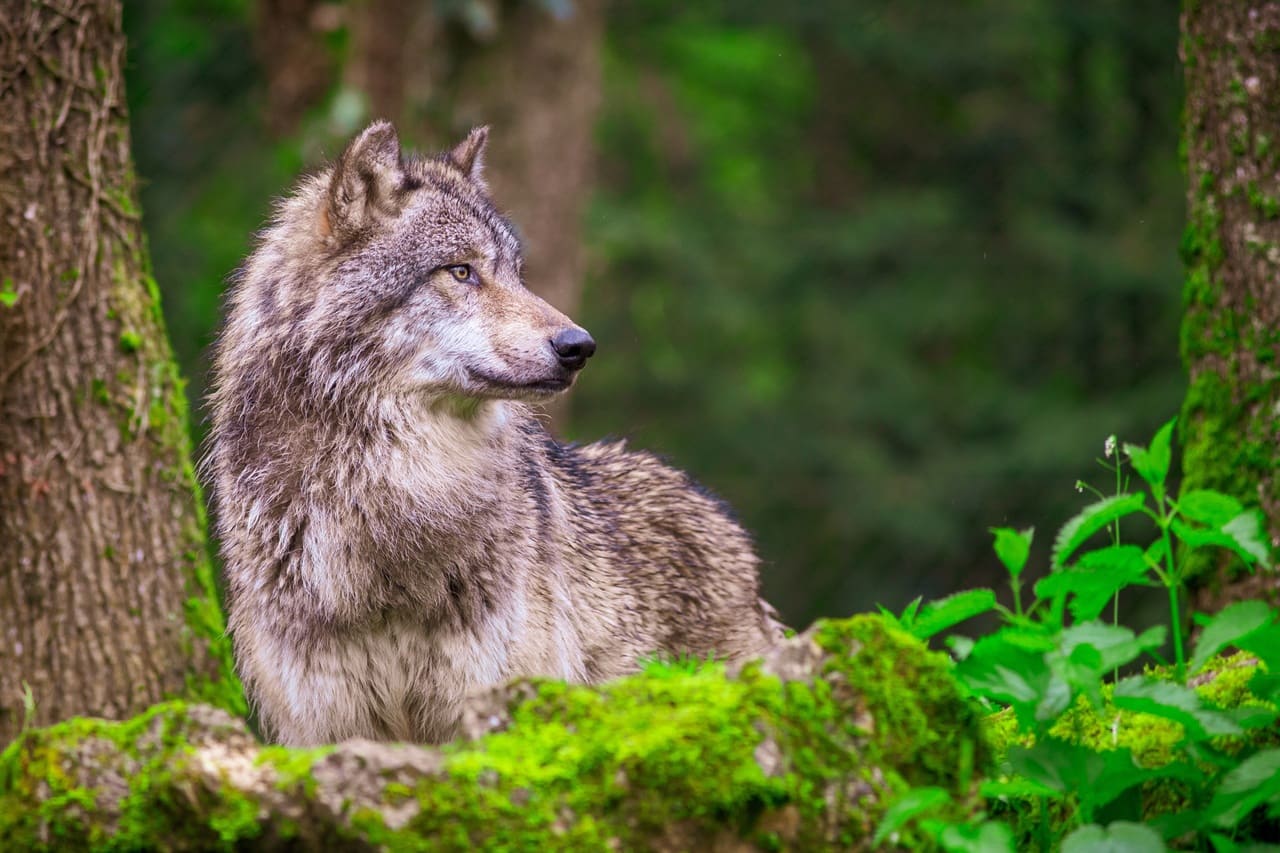
- For the fox, roe deer, or stag in the forest: well, “regulating the population,” “preventing wildlife damage,” “conservation cull” — one knows the vocabulary.
The key skill is the ability to switch empathy on and off with great precision. Anyone who weeps over an injured dog but refers to a shot deer’s blood as “spoor” rather than blood is well on their way.
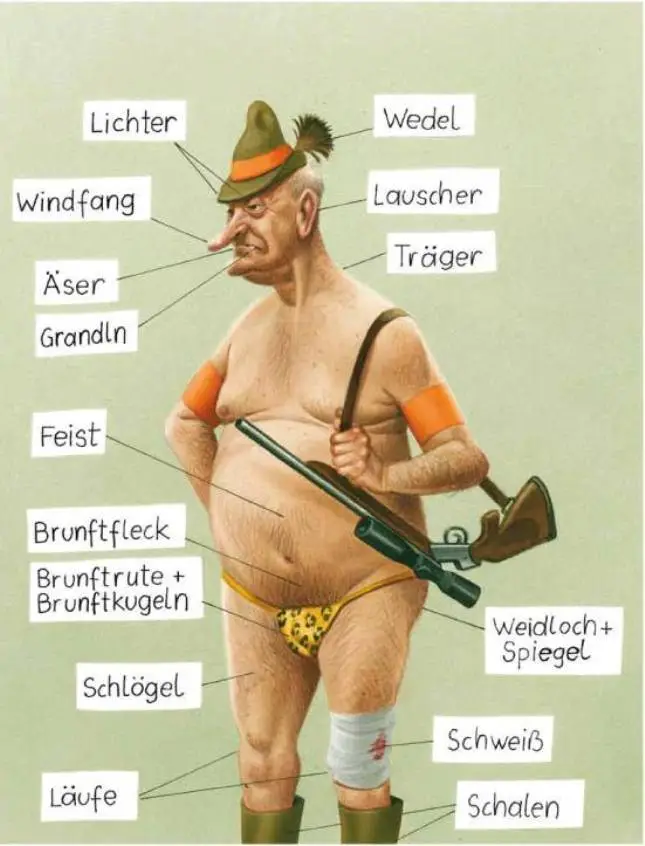
2. Linguistic Gymnastics: Advanced Hunting Jargon
To be a hobby hunter, ordinary language simply does not suffice. One requires an entire parallel vocabulary that drapes reality in a soothing filter.
Examples:
- Animals do not “perish” — they are “bag ged” or “taken.”
- They “fight for their lives”? Wrong. They “react well to the shot.”
- One does not “kill” — one “manages” and “stewards” with the bullet.
- The forest is not a habitat — it is a “hunting ground.”
Anyone who manages, with a completely straight face, to claim that they shoot animals out of “respect” for them has passed the linguistic test.
3. Moral Acrobatics: Learning to Live with Contradiction
An essential prerequisite: the ability to see contradictions not as a problem, but as an identity feature.
For example:
- On one hand, a defender of nature; on the other hand, feeding wildlife to ensure there is always enough to shoot.
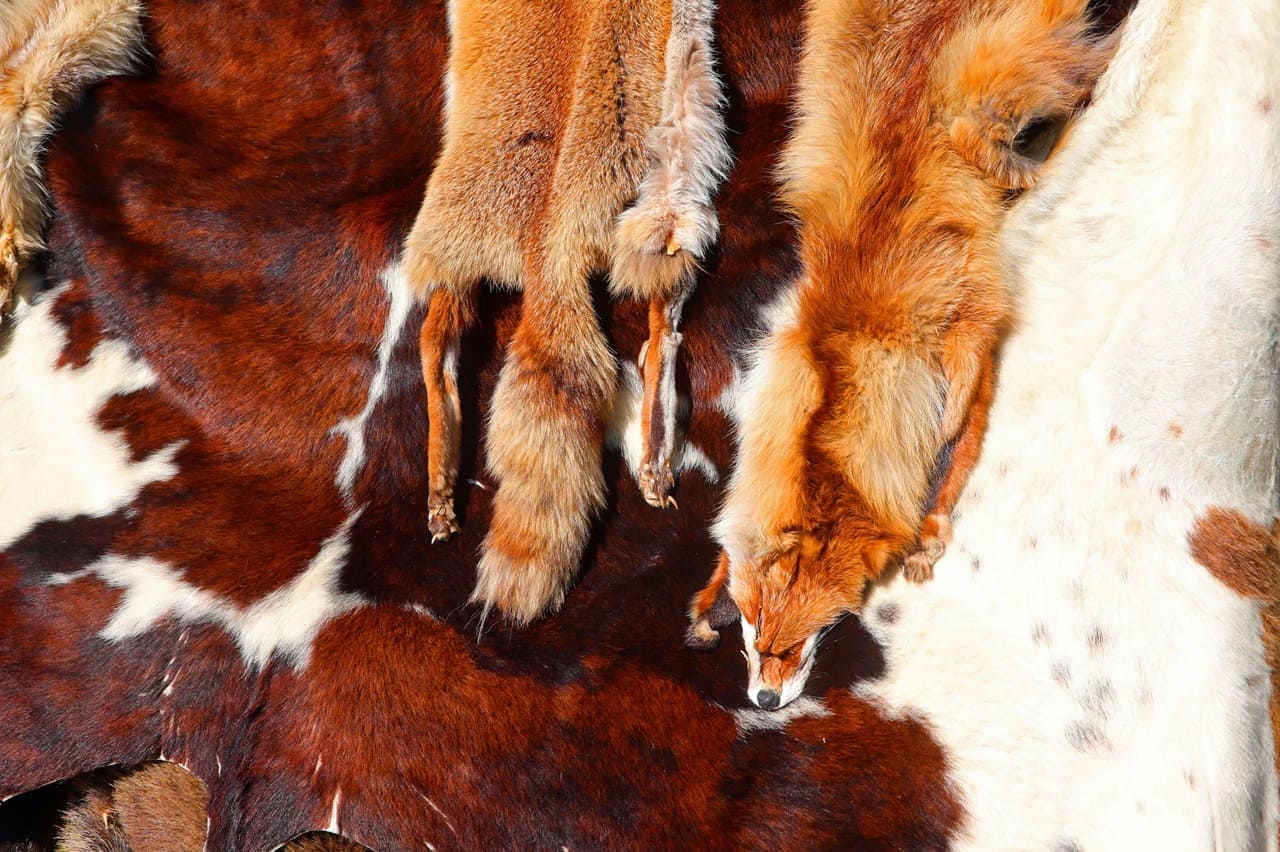
- On one hand, an “animal lover”; on the other hand, trophy pictures on the wall that were still alive not long ago.
- On one hand, opposed to “animal suffering”; on the other hand, experiencing the muzzle flash as a romantic moment.
The better one manages to explain these contradictions with a meaningful gaze and a glass of red wine by the fireplace, the higher the hunter level. The hobby hunter and alcohol are like two old buddies who consider each other utterly indispensable, even though any sober glance would immediately recognise that both are already a problem on their own.
4. Enthusiasm for Technology: High-Tech vs. “Fair Hunting”
The romantic hobby hunt with bow and spear is long gone. The modern hobby hunter works efficiently, because the roe deer should have no chance of missing the appointment.
Useful items include:
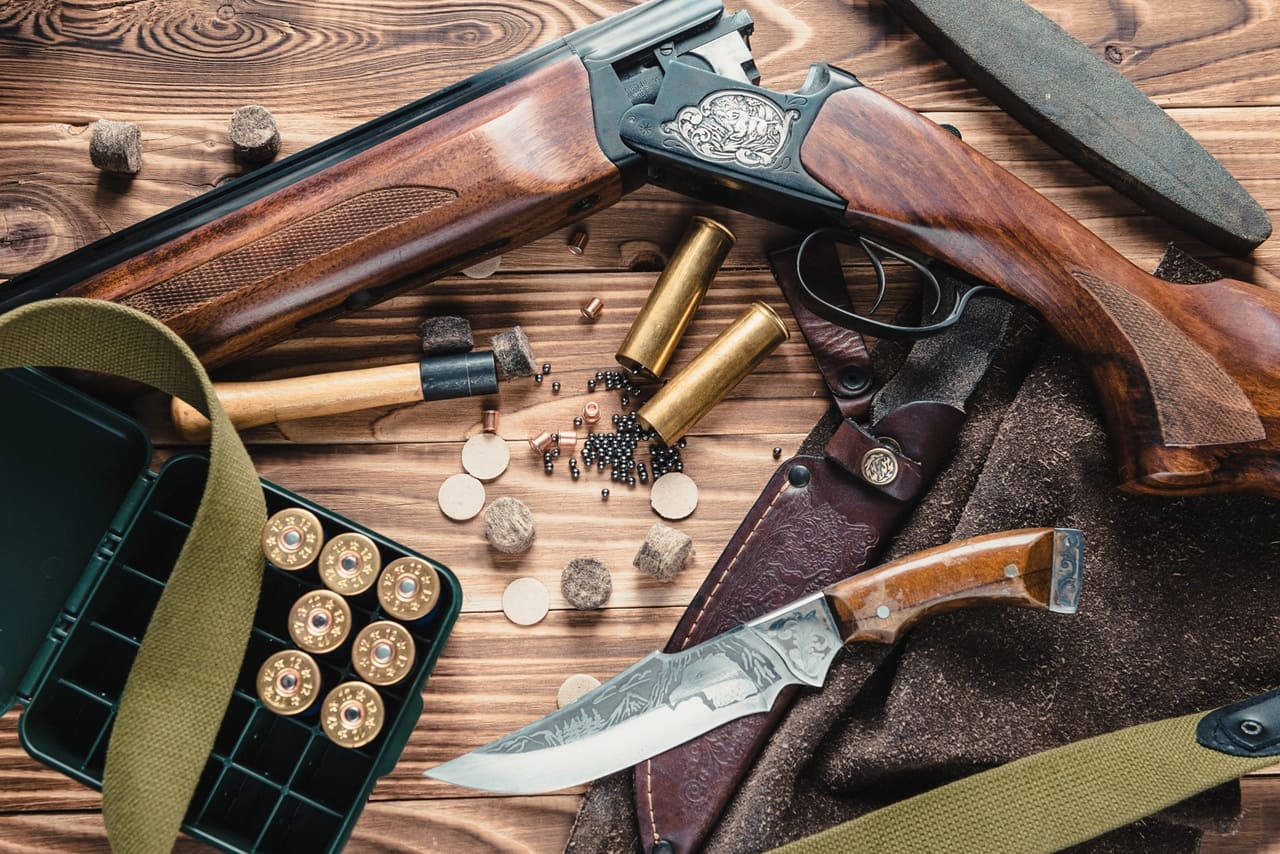
- Telescopic sights that can do more than many an amateur astronomer.
- Night vision devices, thermal imaging cameras, decoy call apps, GPS collars, wildlife cameras.
- Off-road vehicles that look as though one is either heading to war or at least to the next off-road commercial shoot.
And in the end, one likes to talk about “fair hunting” and “a connection with nature.” Fair, in this context, means: one side has everything, the other has fur.
5. Romantic Transfiguration: Campfire Instead of Facts
Anyone who wants to be a hobby hunter must be able to tell good stories. Not the kind of story involving figures, studies, or ecology, but the kind featuring mist, the break of dawn, and “ancient instincts.”
Typical phrases:
- “Our ancestors have always hunted”
- “Humans are predators”
- “I feel a deep connection when I sit in the hide”
- “Hunting is deep meditation”
The fact that “our ancestors” also did other things that nobody is proud of today is politely overlooked. What matters is that the story sounds like myth rather than recreational shooting.
6. Resilience Training: Resistance to Criticism in Its Purest Form
Also indispensable: a thick skin when it comes to criticism.
- If someone raises animal welfare: “You don’t understand nature.”
- If someone asks ethical questions: “Come out into the forest first.”
- If someone presents facts: “I have 30 years of hunting experience.”
The perfect response to uncomfortable questions is a blend of mild smiling, personal offense, and appeals to tradition. Anyone who manages to simultaneously portray themselves as a victim (“We are misunderstood”) and as an indispensable guardian of nature is ready for the next hunting exam.
7. Self-image: Between heroic saga and victim role
A good hobby hunter likes to see themselves simultaneously as:
- an irreplaceable conservationist
- a tragic hero who “must do what must be done”
- a socially misunderstood genius with a rifle
Critics are then told they live in a “Disney world.” After all, it is far more realistic to believe that the forest would immediately descend into chaos without armed recreational overseers.
8. The relationship with the animal: From trophy to “utilization”
The view of the animal is decisive.
Variants:
- As a trophy on the wall: “A memento of an experience.”
- As a roast on the plate: “Sustainable use of a resource.”
- As a living being with intrinsic value: difficult — gets in the way when aiming.
It is convenient to categorize animals into:
- “Pests”
- “Game animals”
- “Huntable wildlife”
- and of course: “one’s own pet,” which is exempt from all of the above.
9. Time management: Selling leisure as a vocation
Being a hobby hunter also means having a talent for re-branding leisure time. What others call a “hobby” is here called “responsibility,” “a duty,” or “service to nature.”
- Sitting in a high seat for hours on end: not a hobby, but “fair chase ethics.”
- Meat from one’s own shot: not a luxury product, but “honest food.”
- Collecting weapons: not a passion, but “tools of the trade.”
Anyone who manages to politically, morally, and ecologically elevate their personal leisure activity has nearly passed the exam.
10. Exam question: Would you do the same without a weapon?
To conclude the aptitude test, one simple question:
Would you sit in the forest just as enthusiastically, observing animals, protecting habitats, creating biotopes, collecting litter, and gathering data for conservation projects, if you were not permitted to carry a weapon?
If the honest answer is “No,” then congratulations: you already have everything it takes for traditional hunting.
Whether that is good for the animals and for nature is another question entirely. But that, as is well known, is a question hobby hunters are very reluctant to ask themselves.