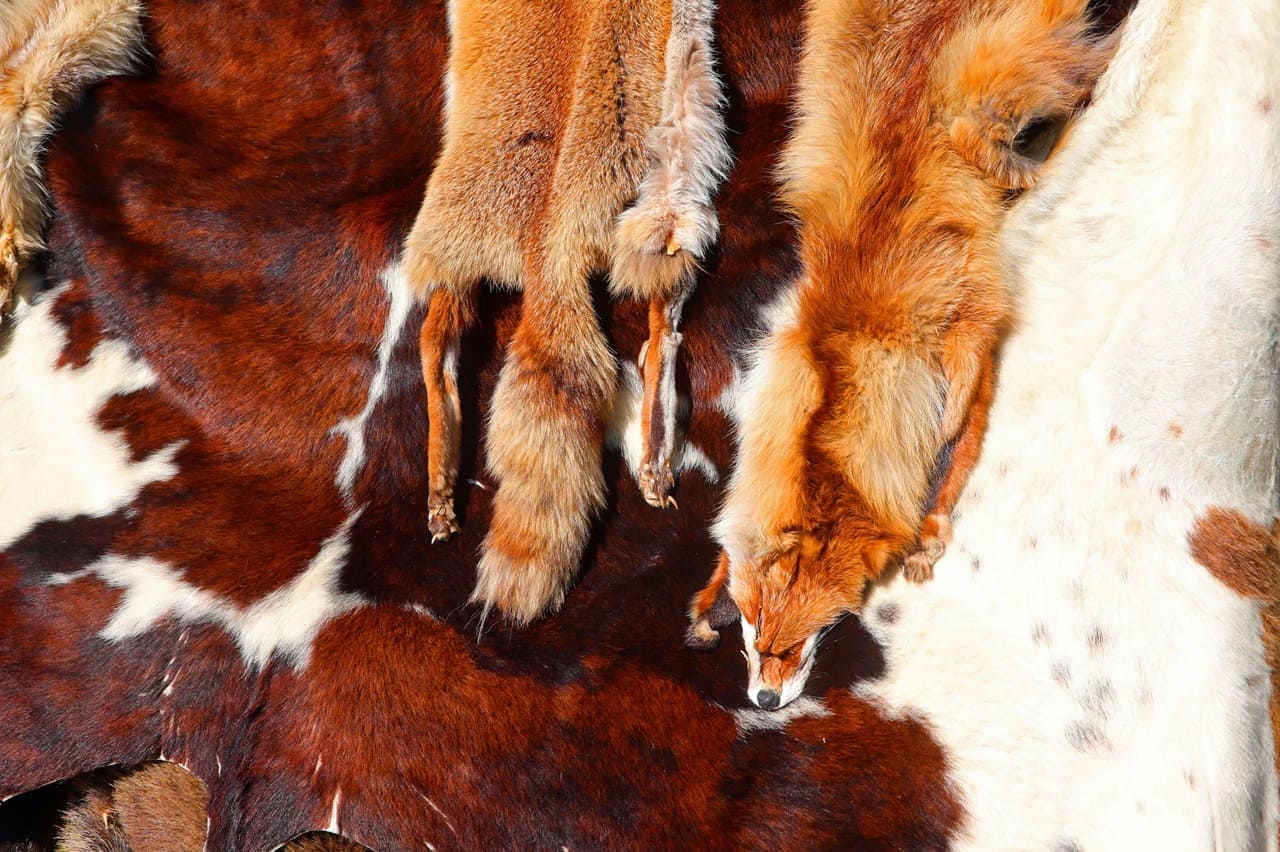
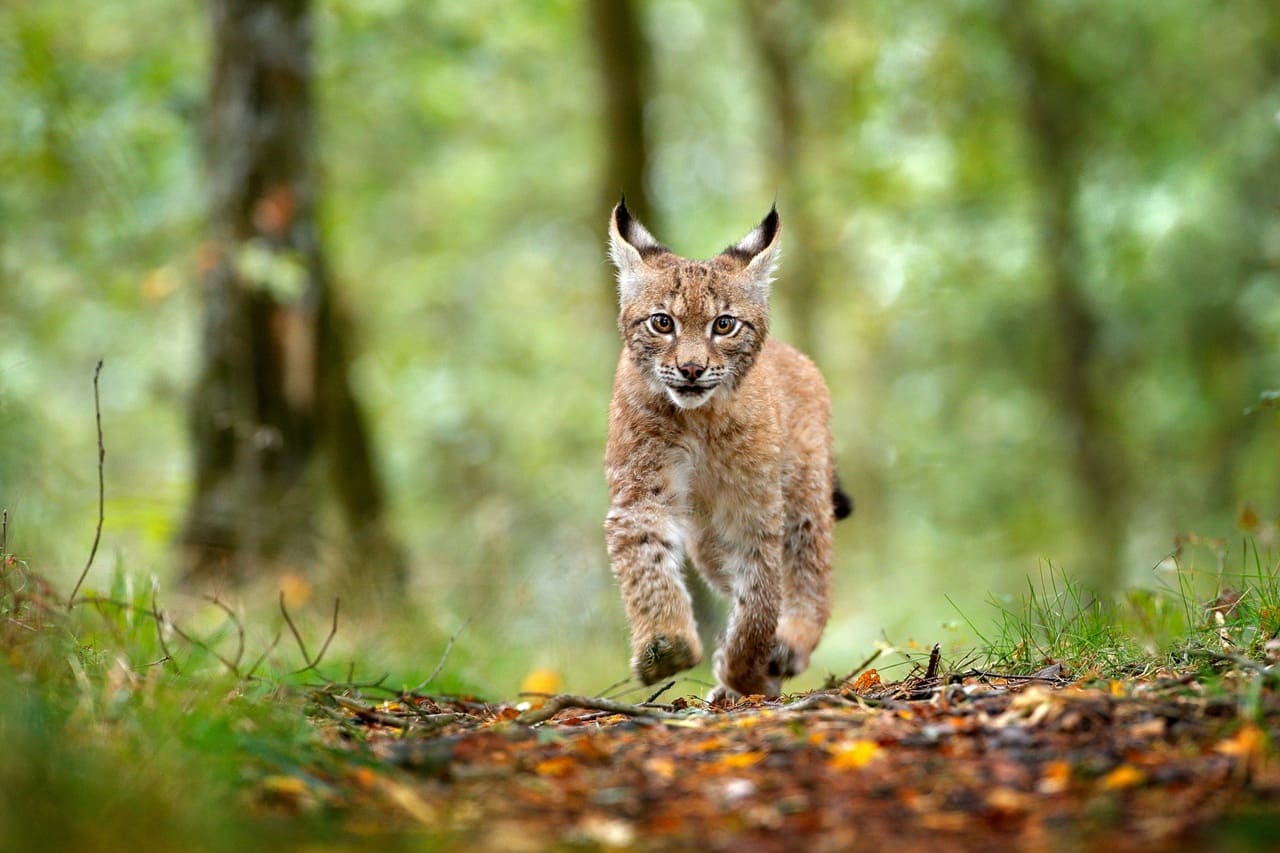
Germany makes the wolf a game animal
The Bundestag decided on March 4, 2026 to include the wolf in the Federal Hunting Act. The Bundesrat votes on March 27. Nature conservation organizations speak of a setback that undermines species protection throughout Europe.

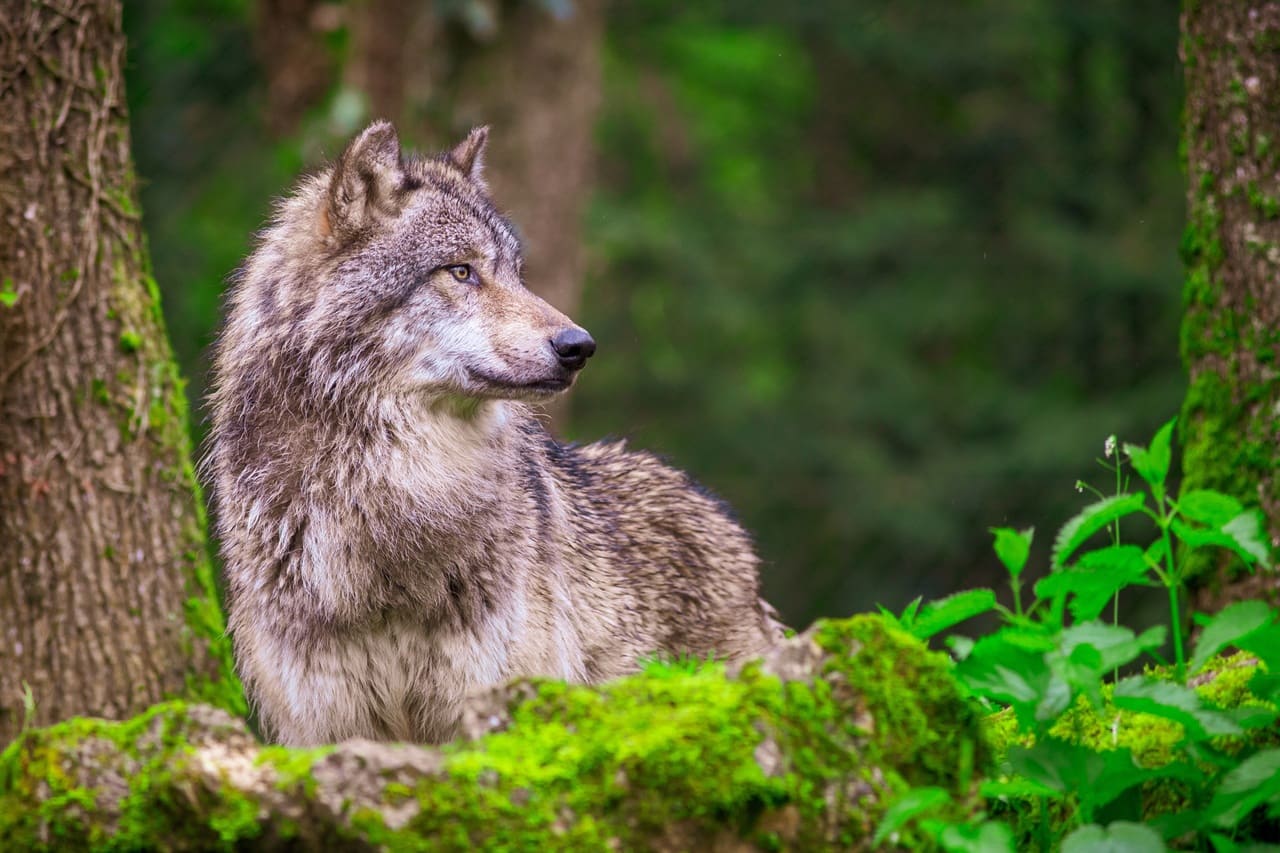
The German Bundestag has passed the draft law to amend the Federal Hunting Act and the Federal Nature Conservation Act after only a half-hour debate.
CDU/CSU, AfD and SPD voted for the law. Bündnis 90/Die Grünen and Die Linke voted against the law. The law essentially provides for three measures:
Regional population management: Federal states can establish management plans in regions with "favorable conservation status" and high wolf density and regulate the number of wolves.
Removal after overcoming livestock protection: Wolves that overcome livestock protection measures can in future be "legally removed".
Special rule for alpine regions: In areas where preventive livestock protection is deemed 'unreasonable,' such as in alpine regions, killing to prevent livestock attacks is also possible without protective measures having to fail first.
Federal Agriculture Minister Alois Rainer (CSU) formulated the political goal brazenly: By the time of alpine pasturing, the wolf should be in the hunting law.
What happens on March 27
On Friday, March 27, 2026, the Federal Council will deliberate on the law in its 1063rd session (agenda item 3). The law requires approval, so the Federal Council must actively say yes. Approval is considered likely: The CDU/CSU-led states have a clear majority, and in its statement from January 30, 2026, the Federal Council had already welcomed the goal in principle.
However, there was clear criticism from the specialist committees: The Federal Council's Environment Committee views quota hunting without cause critically. Both committees (Agriculture and Environment) criticized that the draft law was not coordinated with the environmental and agricultural departments of the states and leaves essential questions for legally secure, practical wolf management unanswered.
What nature conservation organizations say
The reactions from nature conservation associations were unanimously rejecting:
The WWF described the law as a weakening of species protection and pointed to a central contradiction: Despite the growing wolf population, the number of attacks on livestock decreased by 25 percent in 2024. Livestock protection is therefore demonstrably effective, but is being undermined by causeless recreational hunting.
The NABU had collected 92,000 signatures against including the wolf in hunting law prior to the vote. The blanket inclusion in hunting law endangers species protection, creates new legal uncertainties and does not help livestock owners. Targeted removal of individual conspicuous animals is already possible under existing nature protection law.
The German Legal Society for Animal Protection Law spoke of a draft law that disregards the legal situation including the constitutional animal protection objective.
Why the numbers do not support the law
The justification for the draft law is based on the conflict figures from 2024: around 1,100 attacks and 4,300 killed or injured livestock animals alongside simultaneous expenditures of 23.4 million euros for livestock protection and 780,000 euros for compensation payments. These figures are presented in the draft law as evidence of an unbearable burden, but context is missing:
Germany keeps around 1.5 million sheep. Wolf attacks therefore affect significantly less than one percent of the population. The livestock protection expenditures of 23.4 million euros stand against agricultural subsidies of over 6 billion euros per year. And the attack figures fell by a quarter in 2024 despite the growing wolf population, which proves the success of livestock protection, not its limits.
The wolf population in Germany currently comprises around 219 packs, 43 pairs and 14 individual animals. The data from the Federal Documentation and Advisory Centre on the Wolf (DBBW) shows a stabilization of the population over the past two years, not an 'explosive' increase.
How the cascade functions
The Federal Hunting Law forms the framework within which the 16 federal states pass their own hunting laws. Inclusion at the federal level opens the way for wolf culls in all federal states. Bavaria has already taken this path: On March 19, 2026, the Bavarian State Parliament passed a new hunting law that includes the wolf and provides for quota culls. Lower Saxony had already introduced a 'rapid culling procedure' in 2024, which NABU criticized as unlawful.
The enabling cascade follows a script that has been recognizable for years:
Step 1: The EU downgrades the wolf from 'strictly protected' to 'protected' (Bern Convention, 7 March 2025; EU Directive 2025/1237, June 2025). Step 2: Germany reports to the EU the wolf's 'favourable conservation status'. Step 3: The federal government includes the wolf in the Federal Hunting Act. Step 4: The federal states enact their own hunting regulations with regional quotas.
Each step is presented as a logical consequence of the previous one, yet in sum a strictly protected predator is degraded to regular game species within 18 months, without any change to the ecological fundamentals.
Swedish counter-example
The timing of the Bundestag decision is remarkable, as Sweden is currently demonstrating the legal failure of precisely that policy which Germany is now introducing. Swedish courts have stopped both the wolf hunt and the lynx hunt 2026 in all affected provinces, because authorities could not prove that the culls would not jeopardise the favourable conservation status of the population.
The reasoning of the Kammarrätten (appeals court) in Sundsvall strikes at the core: Those who want to allow shooting must prove that species protection will not be damaged. In Germany, this burden of proof is effectively reversed by the new law: The states can establish management plans and set quotas as long as they invoke 'favourable conservation status'. Independent judicial review beforehand is not provided for.
Relevance for Switzerland
Switzerland is not an EU member, but has ratified the Bern Convention and is directly affected by the downgrading of wolf protection there. The parallels to the German legislative process are striking: In Switzerland too, the Regazzi Motion has demanded a politically defined wolf upper limit, here too agricultural and hunting lobbies dominate parliamentary debate, and here too herd protection is rhetorically emphasised but inadequately financed and implemented in practice.
The Geneva Model has shown since 1974 that coexistence with wildlife works without recreational hunters. Professional wildlife wardens achieve a 99 percent success rate for immediate kill, while recreational hunters in Graubünden only wound rather than kill every tenth red deer. Those who want to solve conflicts with wolves need professional management and consistent herd protection, not quota hunting by recreational shooters.
What happens now
On 27 March 2026, the Bundesrat votes. If the law is adopted, the 16 federal states can establish their own wolf management plans and set regional hunting seasons. Federal Agriculture Minister Rainer has set the goal that the regulations should take effect before the alpine pasture season begins in spring 2026.
NABU has called on the state governments to position themselves against the law in the Bundesrat. The NABU petition against including the wolf in hunting law can be signed until the end of March. It is one of the last political levers before the facts are established.
Further information:
- Wolf as huntable game: Austria forges ahead, Germany follows
- Wolf in Switzerland: Facts, politics and the limits of hunting
- Wolf upper limit in Switzerland
- Sweden stops wolf culls 2026: Signal to Switzerland
- Why recreational hunting fails as population control
- Why endangered species do not belong in hunting law
- Dossier: Hunting myths
More on the subject of recreational hunting: In the dossier The Role and Criticism of Recreational Hunters we shed light on the training, power and self-image of recreational hunters. The scientific evidence is presented in the overview Studies on the Effects of Recreational Hunting.
The position of IG Wild beim Wild: IG Wild beim Wild rejects recreational hunting. Our model is the canton of Geneva, which has managed without recreational hunting since 1974: without hunting seasons, without hunting dogs, without driven hunts, without high seats, without the animal cruelty and crime that go hand in hand with hunting season elsewhere. What has worked there for over fifty years disproves every position paper by JagdSchweiz. An association that bases its policy on claims it refutes in its own documents is not a professional organisation, but a factory for misinformation.
Support our work
With your donation you help protect animals and give voice to their cause.
Donate now →