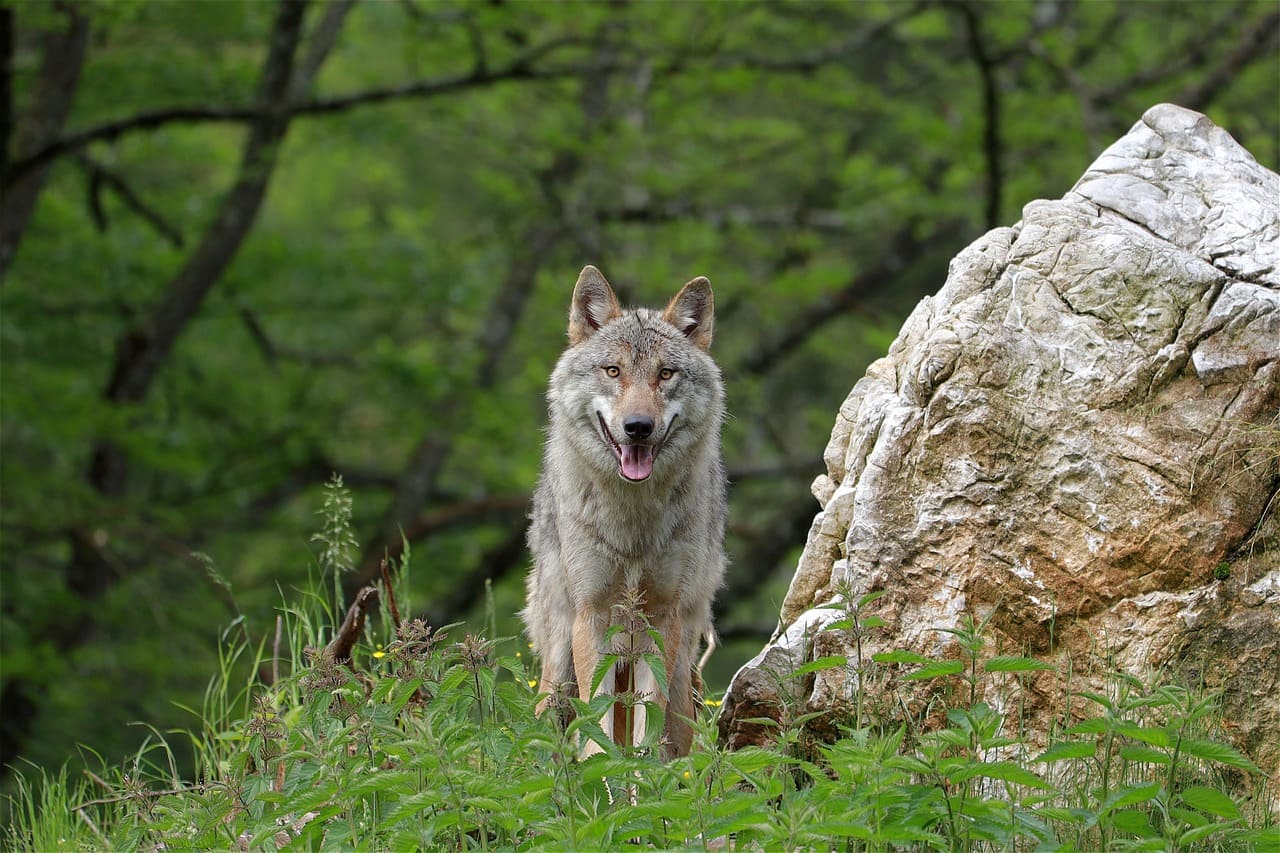
Why endangered species do not belong in hunting law
In Germany and Switzerland, the legal treatment of protected species in the context of hunting law and management is once again being debated. On February 2, 2026, 20 scientists from nine research institutions led by Marco Heurich (University of Freiburg) and Johannes Steidle (University of Hohenheim) made it clear to politicians in an open letter: Endangered, ecologically significant species such as wolves, beavers or rooks do not belong in hunting law. The demand is clear: Instead of blanket hunting, targeted management and scientifically based solutions are needed.

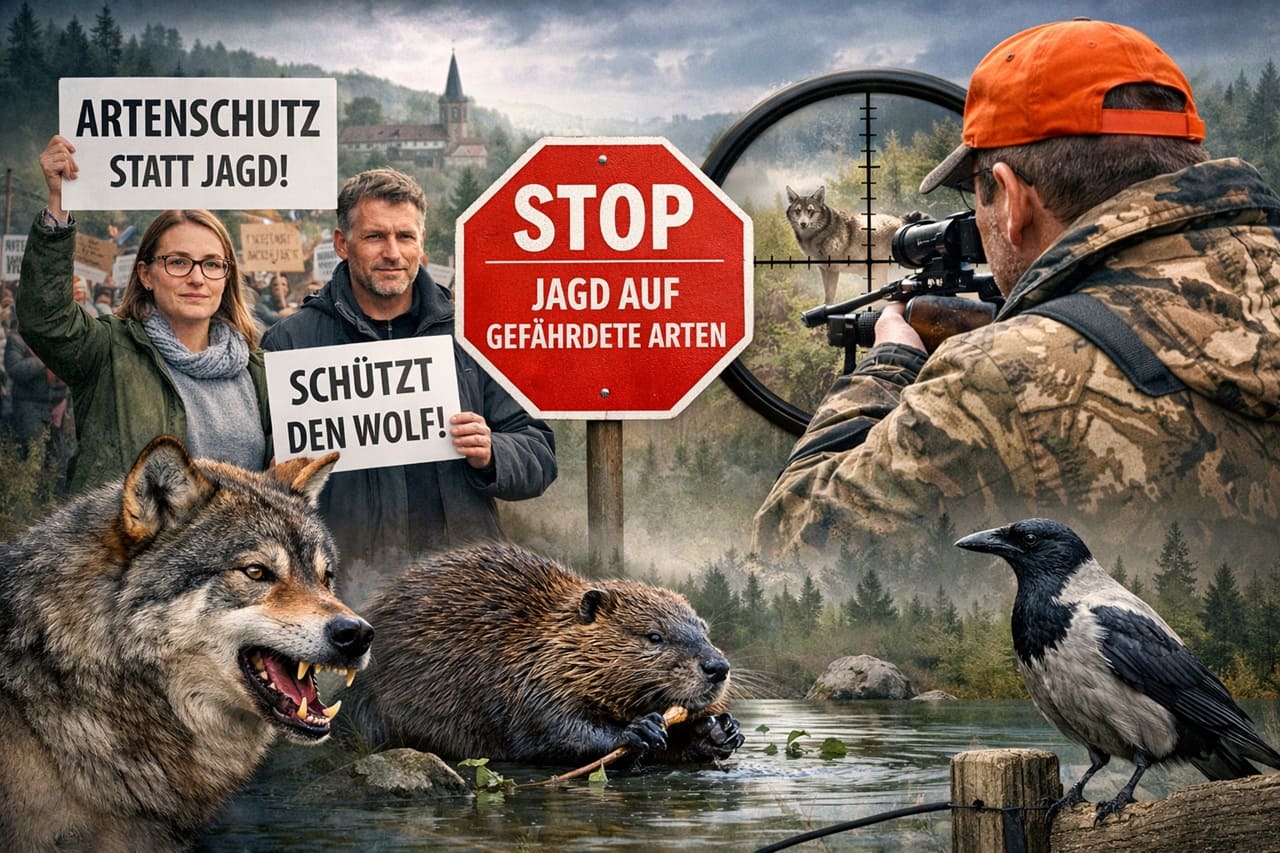
The experts emphasize that the desire of many politicians, agricultural representatives and hunting associations to limit rising populations of protected species through recreational hunting is scientifically unfounded.
Recreational hunting cannot only not solve conflicts, it can even exacerbate them. With wolves, for example, shooting individual animals would, according to experts, destroy pack structure, leading to more rather than fewer livestock kills. With beavers and rooks, research shows there are proven, effective non-lethal management methods that mitigate conflicts with agriculture and infrastructure without undermining the protective function of these species.
This position stands in stark contrast to political initiatives and laws that have recently attempted to open or expand hunting rights. In Baden-Württemberg, for example, wolves were incorporated into hunting law, a decision that according to researchers achieves exactly the opposite of what is intended: shooting becomes bureaucratically complicated while the species' protection status remains untouched.
In the Swiss context, the failed hunting law revision that was voted on in 2020 shows what risks lie in the legal linking of recreational hunting and species protection. At that time, among other things, lynx, wolves, beavers and grey herons were to be made generally huntable before they caused damage, a step that was ultimately stopped by referendum because it would have undermined the protection of these species.
The scientists argue that the protection of endangered species is a success of modern conservation policy that must not be eroded by hunting interests. These species fulfill functional roles in ecosystems: wolves promote forest regeneration, beavers contribute to keeping wetlands open, and rooks are a sign of successful habitat recovery. Their protection leads to functioning, resilient landscapes, not ineffective hunting measures.
Critical beyond this is that hunting law debates are often shaped by political or lobby interests while scientific findings are ignored or selectively interpreted. Experts instead demand that politics and administration rely on proven protection and conflict resolution models that are not based on lethal methods, but on prevention, livestock protection, fencing and adaptive management strategies.
For wildlife and nature conservation this means: hunting-relevant debates must not be shifted to hunting authorities or hunting associations. They belong in the realm of scientifically-based species protection and management strategies. The open letter from Freiburg and Hohenheim sends a clear signal in this direction, even beyond German borders.
The integration of endangered species into hunting law is not only wrong from a scientific perspective, it endangers long-term ecological functionality and conservation efforts. Instead of hunting law, modern, non-lethal management concepts must be at the center to solve conflicts between agriculture, conservation and wildlife sustainably and in accordance with animal welfare.
More on the subject of recreational hunting: In our dossiers on recreational hunting gather fact-checks, analyses and background reports. What the research says about this is shown by Hunting fact-checked: the state of research.
The position of IG Wild beim Wild: IG Wild beim Wild rejects recreational hunting. Our model is the canton of Geneva, which has managed without recreational hunting since 1974: without hunting seasons, without hunting dogs, without driven hunts, without high seats, without the animal cruelty and crime that go hand in hand with hunting season elsewhere. What has worked there for over fifty years disproves every position paper by JagdSchweiz. An association that bases its policy on claims it refutes in its own documents is not a professional organisation, but a factory for misinformation.
Support our work
With your donation you help protect animals and give their voice a hearing.
Donate now →