How hunting politics escalates in Scandinavia
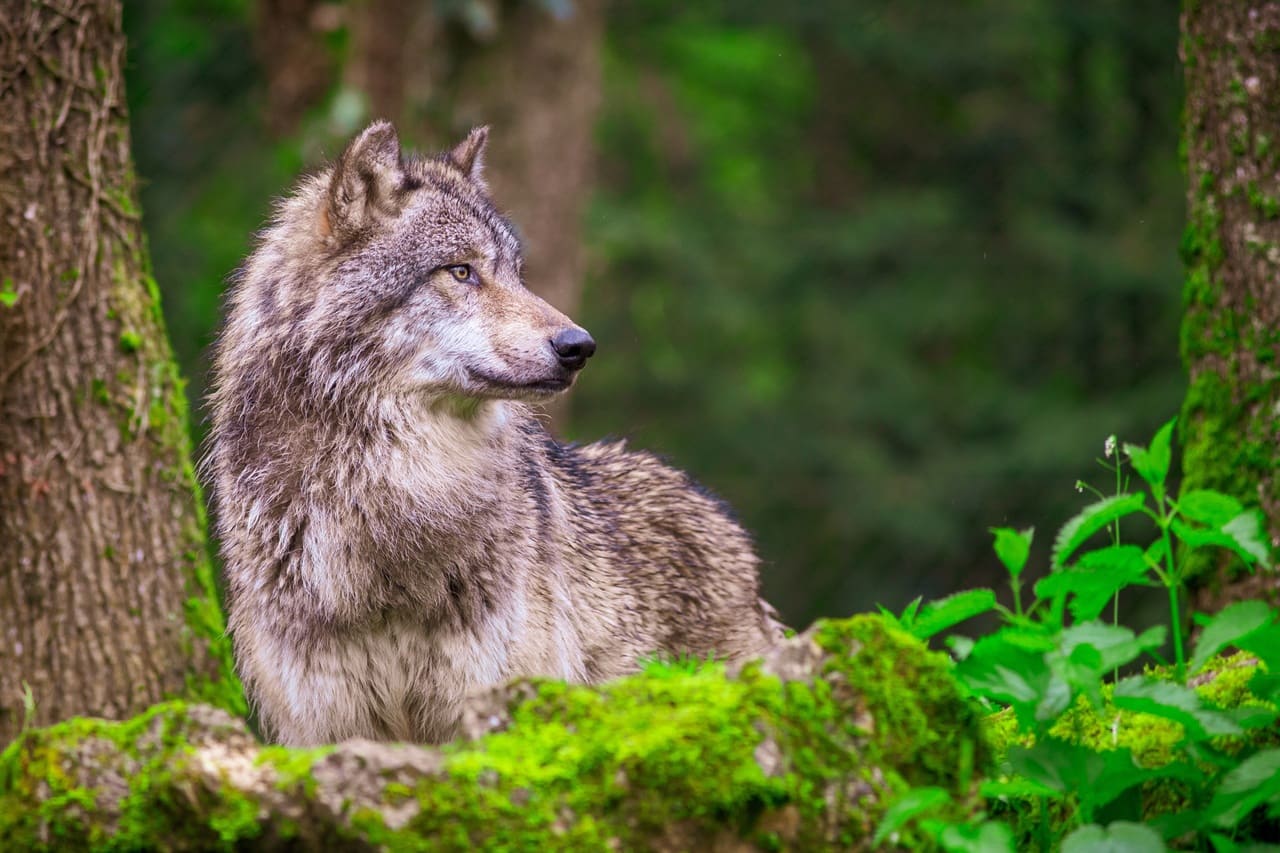
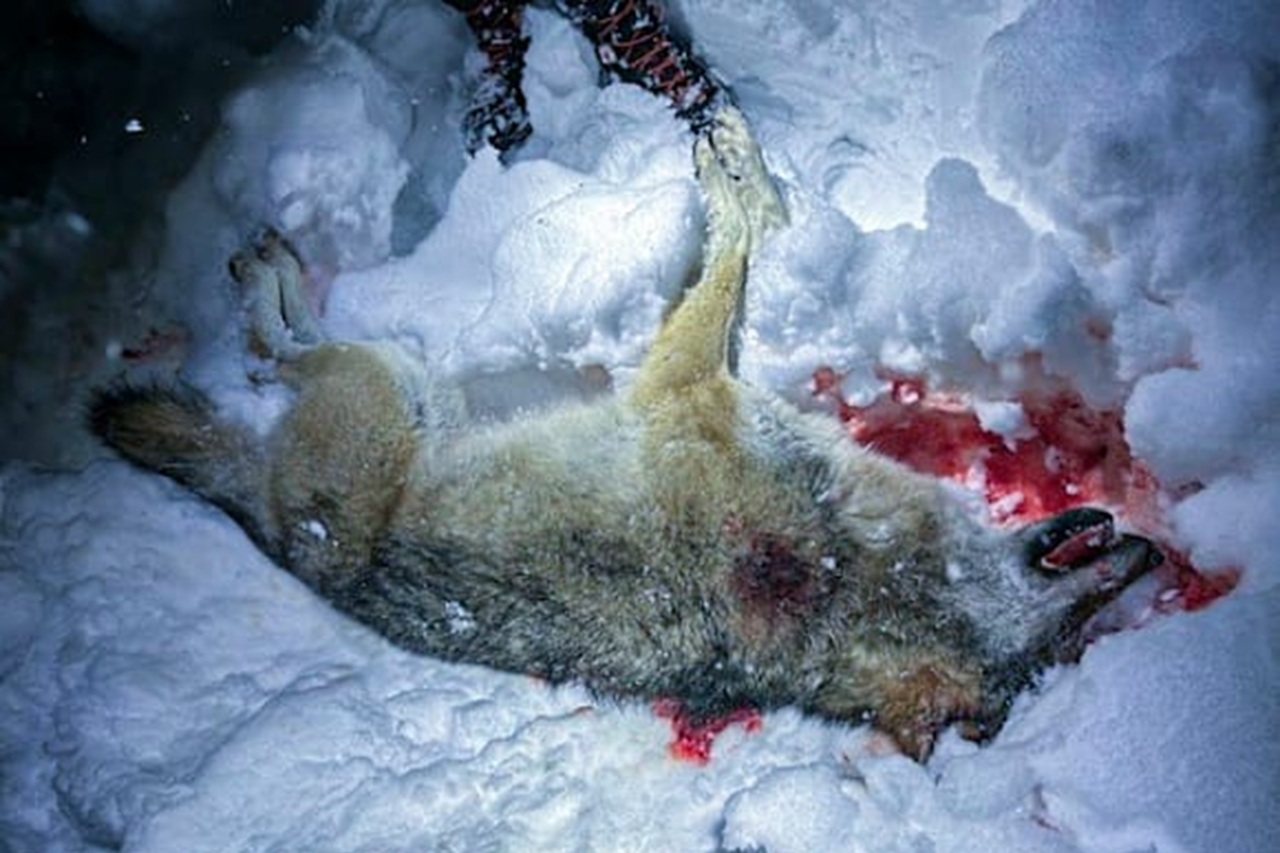
Predator hunting in Scandinavia is once again at the center of serious controversies. In Norway, following investigations by the Economic and Environmental Crime Unit Økokrim, ten men have been charged with illegal wolf hunting. Parallel proceedings are underway for allegedly illegal lynx hunting. In Sweden, courts are increasingly dealing with the question of whether planned wolf hunts for 2026 are even lawful. Several hunting policy decisions have been stopped or overturned.

These cases are not footnotes. They exemplify how far hunting politics has departed from legal and scientific foundations and increasingly must be corrected by courts.
In Norway, the charges reveal a structural problem. The investigations target not individual lapses, but organized forms of illegal recreational hunting. The fact that laws are systematically violated precisely with strictly protected species like wolves and lynx sheds light on the acceptance of species protection within certain hunting circles. The recurring rhetoric of 'necessity' and 'control' here collides head-on with criminal law.
In Sweden, the conflict is increasingly shifting from hunting administration to courtrooms. Decisions about wolf hunts for 2026 are no longer being resolved primarily through political or professional channels, but legally. Courts stop hunts, review permits, and point to insufficient legal foundations. This is a clear signal: the legitimacy of recreational hunting of predators has become so fragile that it can no longer be enforced without judicial review.
This development is not a Scandinavian anomaly. It reflects a European trend that is also visible in Switzerland. Where hunting policy is increasingly conducted ideologically, lobby-driven, or symbolically, authorities lose credibility. The consequence is a shift of conflicts into the rule of law.
Particularly striking is the discrepancy between official communication and actual practice. While hunting associations continue to speak of sustainable wildlife management, investigations, charges, and judicial stops reveal a different picture: lack of self-control, boundary violations, and systematic underestimation of legal constraints.
For wildlife protection, this is a double-edged signal. On one hand, court decisions prove that the rule of law and species protection still function. On the other hand, the cases show how fragile these protective mechanisms have become when they must be permanently defended against hunting policy interests.
The Scandinavian developments make clear what is also relevant for Switzerland: recreational hunting of predators is no longer a technical question, but a democratic, legal, and societal one. Those who continue to claim it is merely about population regulation ignore the growing number of criminal proceedings, court decisions, and institutional conflicts.
Participation campaign: Demand a tax exemption request from your municipality for federal and cantonal taxes due to the catastrophic policy of Federal Councillor Albert Rösti (SVP) based on the recently approved shooting of wolves in Switzerland. You can download the template letter here: https://wildbeimwild.com/ein-appell-fuer-eine-veraenderung-in-der-schweiz/

More on the subject of recreational hunting: In the dossier The Role and Criticism of Recreational Hunters we shed light on the training, power and self-image of recreational hunters. What the research says about this is shown by Hunting fact-checked: the state of research.
The position of IG Wild beim Wild: IG Wild beim Wild rejects recreational hunting. Our model is the canton of Geneva, which has managed without recreational hunting since 1974: without hunting seasons, without hunting dogs, without driven hunts, without high seats, without the animal cruelty and crime that go hand in hand with hunting season elsewhere. What has worked there for over fifty years disproves every position paper by JagdSchweiz. An association that bases its policy on claims it refutes in its own documents is not a professional organisation, but a factory for misinformation.
Support our work
With your donation you help protect animals and give their voice a hearing.
Donate now →