France and the fox: hunting myths exposed
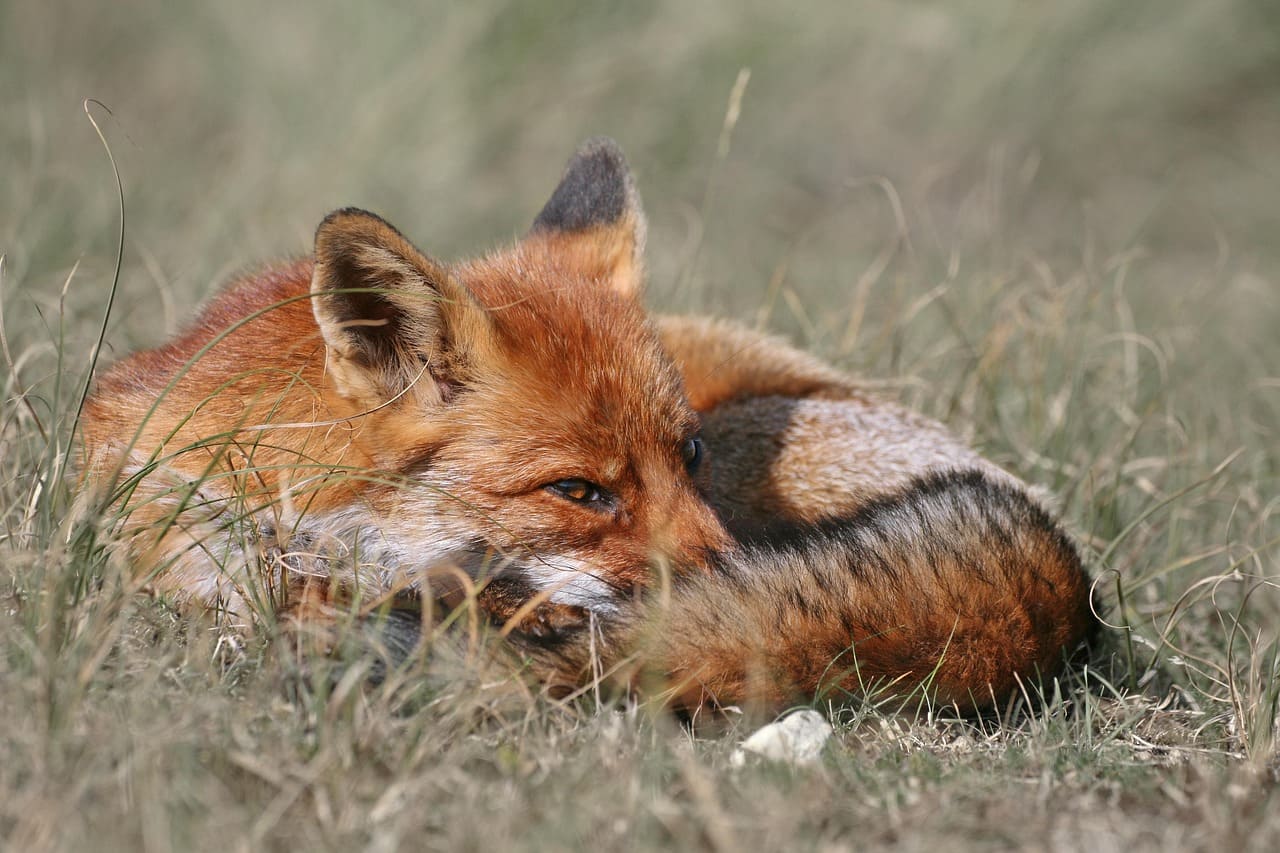
In France, seven nature conservation organisations are mobilising against an administrative designation that has functioned as a killing licence for decades. With a petition to the Assemblée nationale, they demand the removal of the red fox (Vulpes vulpes) from the list of «espèces susceptibles d'occasionner des dégâts» (ESOD). This classification enables year-round killing in many cases, including hunting and trapping, and shapes the public image of the fox as an alleged «damage-causer».

More than 25,000 people had signed the petition by 2 February 2026.
The timing is politically sensitive because a new decree on the ESOD list for the next three years is expected in summer. This is precisely why hunting lobbies and parts of the administration are pushing to cement the current status.
What is being negotiated here affects not only France. This is a European mechanism: wildlife is declared a «problem» through administrative labels, and from this labeling emerges a permanent mandate for «regulation». In Switzerland, this logic functions similarly. The red fox is ecologically a central predator. It stabilizes food webs, influences small mammal populations and acts as a keystone species in many systems. Nevertheless, it repeatedly becomes a projection screen in debates because hunting tradition, interest politics and old enemy stereotypes converge around it.
The most important explosive force of the French petition lies not in the moral appeal, but in the scientific situation. An overview by the Fondation pour la recherche sur la biodiversité (FRB) comes to the conclusion after critical analysis that 70 percent of the examined studies show no significant effect of ESOD removals on reducing the attributed damages. In other words: killing does not solve the alleged problem in the majority of cases examined.
For hunting critics this is no coincidence. The fox has been demonized for centuries as a cultivated «pest», although historical as well as current studies show that this classification is mostly based on subjective evaluations and self-interest rather than robust ecological data. We know this dynamic from Switzerland too: Small predators like the fox, the badger or the polecat are socially and administratively marked as «problem animals» to be regulated, while structural ecological problems like habitat destruction or pesticide use are hardly addressed politically.
The French petition puts its finger on an old wound: When does recreational hunting actually begin to serve the protection of nature and biodiversity, and when is it pure tradition whose justifications rest on cultural power and political networks? That hunting associations reject any «defusing» clearly shows that it is less about ecology than about maintaining privileges. Science speaks out against blanket recreational hunting of foxes. Nevertheless, lobby groups defend the status quo by referring to alleged damages that are often self-reported and not objectively verified.
For media and activists in Switzerland, the French case would be an opportunity to critically examine their own practice. In our context, it is likewise argued that wildlife causes damage, whether to livestock, to crops or to «recreational landscapes». But we must take the scientific data seriously and must not fall into outdated narratives that propagate killing and reduction as the first rather than the last solution. Especially with species that have key roles in the ecosystem, elimination can lead to far-reaching ecological disruptions whose effects often only become visible decades later.
In the end, the French discourse demands more transparency, more science and fewer ideological prejudices. This is a call that should also find hearing in Switzerland: A genuine revision of hunting lists and killing authorities must be based on robust data and not on historical resentments against supposed «pests». The red fox is not only symbolically in the foreground. It represents the broader confrontation about how societies deal with wildlife, whether as opponents or as an integral component of intact ecosystems.
When recreational hunting ceases, the system stabilizes: Why foxes need hunting-free spaces
An often overlooked but central point in the debate about the red fox is hunting-free areas. Luxembourg has shown for years that abandoning fox hunting leads neither to an 'explosion' of populations nor to ecological or health problems. On the contrary: where recreational hunting ends, populations regulate themselves through territory formation, food availability and social structure. Precisely these experiences directly contradict the hunting narrative that humans are necessary as a permanent regulatory force.
Even in Switzerland real comparison areas already exist. The Canton of Geneva has been a de facto hunting-free zone for decades. No recreational hunting is practiced there, and foxes are not systematically hunted. The repeatedly invoked horror scenarios have failed to materialize. Geneva has neither 'suffocated' in foxes, nor have biodiversity or public health collapsed. On the contrary, it shows that urban and periurban spaces enable stable coexistence with high acceptance of wildlife, provided there is no permanent interference in social structures through culling.
National parks and strictly protected areas provide another counter-model, such as the Swiss National Park. In these zones, recreational hunting is fundamentally excluded. Foxes are part of functioning food webs there, without being defined as 'problem animals'. Precisely these areas show what hunting logic often obscures: predators do not destabilize systems, they stabilize them. Artificial permanent hunting, on the other hand, promotes high reproduction rates, migration movements and social unrest - exactly those effects that later serve as justification for even more culling.
This leads to a clear conclusion for Switzerland. Anyone seriously talking about wildlife protection, biodiversity and evidence-based policy must at least examine and expand hunting-free zones for foxes. Luxembourg, Geneva and national parks provide not ideology, but practical data. They show that abandoning recreational hunting is not a risk, but a prerequisite for ecological stability. The question is no longer whether such models work, but why they continue to be politically blocked.
Dossiers: Fox in Switzerland: Most hunted predator without lobby | Fox hunting without facts: How JagdSchweiz invents problems
Further articles
- Scientific literature: Red fox studies
- Recreational hunters spread diseases: Study
- Recreational hunting promotes diseases: Study
- Ban on senseless fox hunting is overdue: Article
- Luxembourg extends fox hunting ban: Article
- Small game hunting and wildlife diseases: Article
More on the subject of recreational hunting: In the dossier The Role and Criticism of Recreational Hunters we shed light on the training, power and self-image of recreational hunters. The scientific evidence is presented in the overview Studies on the Effects of Recreational Hunting.
The position of IG Wild beim Wild: IG Wild beim Wild rejects recreational hunting. Our model is the canton of Geneva, which has managed without recreational hunting since 1974: without hunting seasons, without hunting dogs, without driven hunts, without high seats, without the animal cruelty and crime that go hand in hand with hunting season elsewhere. What has worked there for over fifty years disproves every position paper by JagdSchweiz. An association that bases its policy on claims it refutes in its own documents is not a professional organisation, but a factory for misinformation.
Support our work
With your donation you help protect animals and give voice to their concerns.
Donate now →