Swiss meadows lose massive amounts of biodiversity
A new long-term study shows: over the past 100 years, plant diversity in Swiss meadows has declined dramatically. The main drivers are intensive agriculture. Over-fertilisation, overuse and pesticides have pushed Europe's most species-rich habitats to the brink.
Researchers used a unique dataset: vegetation surveys from the period between 1884 and 1931.
These historical data were systematically repeated in 2021/22 – allowing, for the first time, a direct comparison spanning more than 90 years.
The causes are clearly identified:
- Over-fertilisation: nitrogen and phosphorus inputs, both from fertiliser and from airborne pollution, displace specialists adapted to nutrient-poor conditions.
- Overuse: more frequent mowing, heavier grazing and mechanised agriculture cause sensitive species to disappear.
- Pesticides: chemical interventions reduce not only pests but also many non-target species – from herbs to insects.
The species-rich lowland meadows are hit particularly hard. Here, up to 38% of species were lost. In the alpine region the decline is “only” around 11%, yet there too, with climate change and the upward shift of agriculture, new pressure looms – on wild animals as well.
From colourful diversity to grass steppe
The study clearly shows how the meadows have changed:
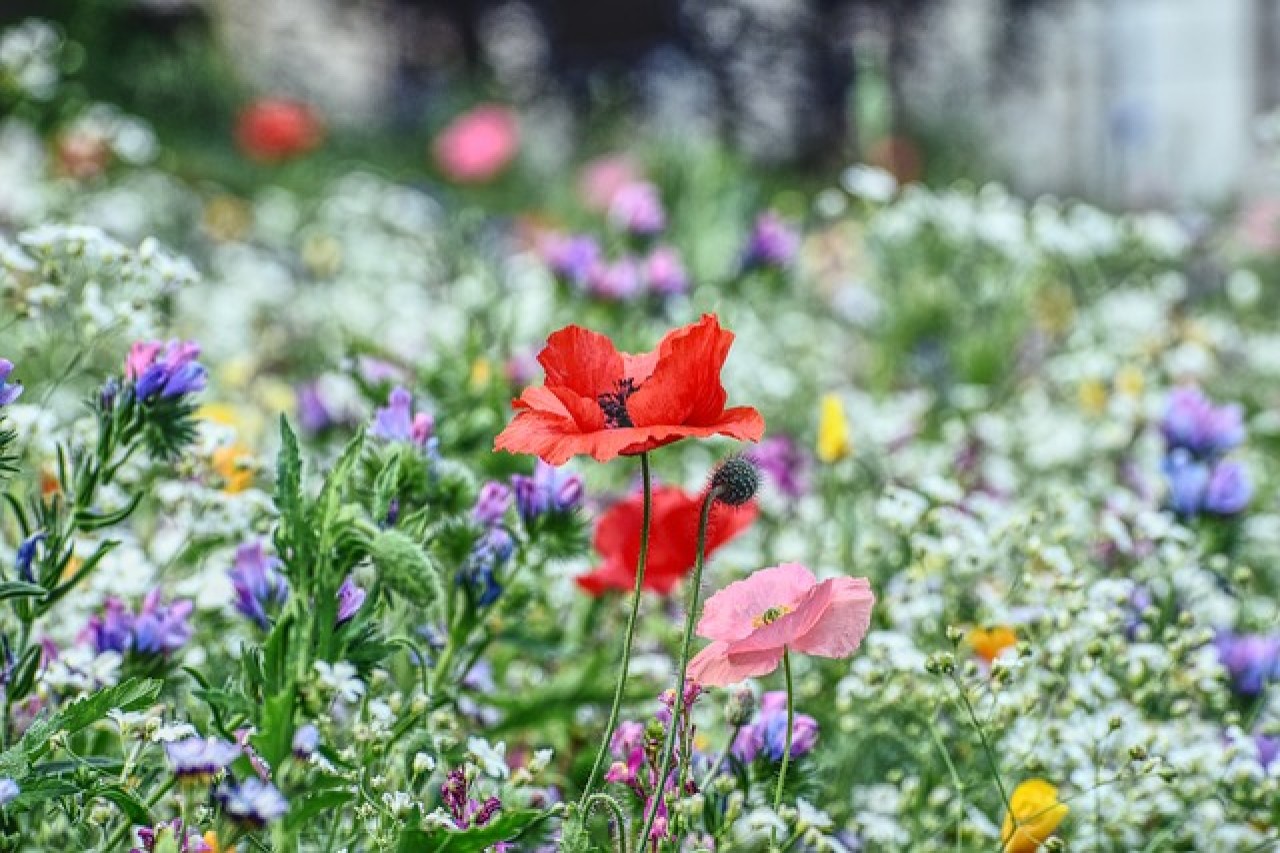
- Colourful flower meadows with orchids, bellflowers or oxeye daisies give way to species-poor grass stands.
- Sweet grasses (Poaceae) benefit from fertilisation and frequent cutting and now dominate in many places.
- Specialised herbs and rare species disappear.
- Life strategies shift towards plants tolerant of competition and disturbance.
The result: landscapes become ecologically more homogeneous and impoverished.
Consequences for nature and society
Species-rich meadows are not only aesthetically valuable, they also fulfil central functions:
- Habitat for insects, birds and wild animals
- Foundation for pollination and food security
- Carbon store and soil protection
With the loss of this diversity we lose not only flowers, but also ecological stability – and ultimately our own basis of existence.
The study makes it unmistakably clear: the main cause of the massive decline in biodiversity is intensive agriculture. Without a rethink in agricultural policy – less fertiliser, fewer pesticides, less pressure from exploitation – biodiversity will continue to disappear.
Extensive cultivation, the targeted promotion of species-rich meadows and a consistent reduction of nitrogen inputs are key steps in preserving the last remnants of the traditional cultural landscape.
Natural disaster: hobby hunters
The proportion of threatened species is greater in Switzerland than in any other country in the world. More than a third of plant, wild animal and fungus species are considered threatened. Switzerland is also bottom of the league across Europe when it comes to designating protected areas for biodiversity. It is always these circles of hobby hunters and hobby animal keepers, with their lobbying, who have been responsible for this for decades through politics, the media and legislation. They are the ones who notoriously block contemporary, ethical improvements in animal welfare and sabotage serious animal and species protection. Hobby hunters regularly oppose more national parks in Switzerland, because they are simply not concerned with nature, biodiversity and species protection or animal welfare, but with pursuing their perverse, bloody hobby.
LET'S STAY IN TOUCH!
We would like to send you the latest news and offers in our newsletter.