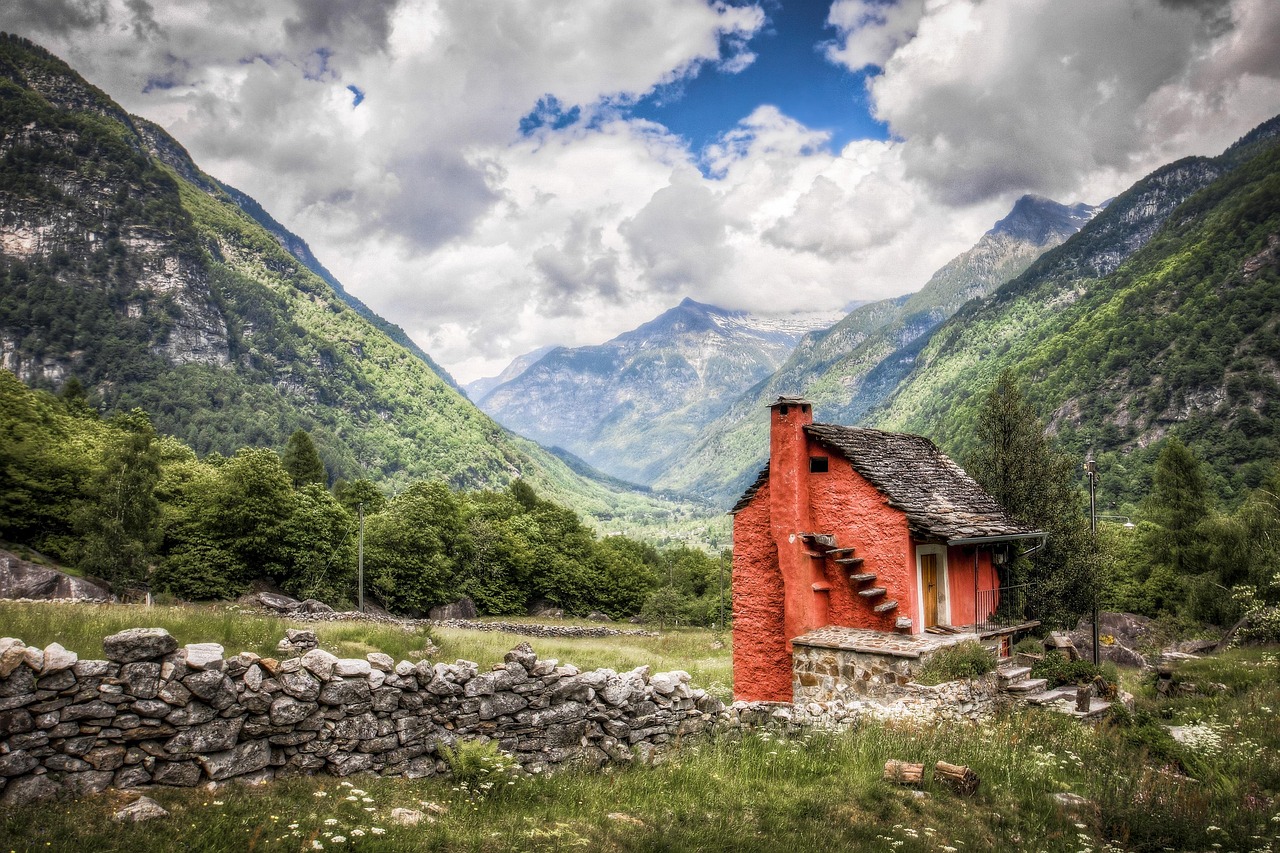
Switzerland as laggard in protected areas
Switzerland likes to present itself as a natural paradise, but when it comes to protected areas, it is Europe's laggard. While the EU designates large-scale national parks, Natura‑2000‑areas and new reserves for wildlife, Switzerland has remained at an inadequate level for years. For many species that depend on disturbance-free habitats, pressure remains high, particularly from recreational hunting, forestry, tourism and infrastructure.

In Scandinavia, in the Alpine region and in parts of Southern Europe, new large protected areas are being created, in which at least part of the landscape is withdrawn from use.
These areas provide wildlife with refuge spaces where they can live out their natural behaviors without being permanently hunted or driven away.
The Switzerland however, has been discussing small-scale patches, special regulations and exceptions for years, instead of developing a clear strategy for genuine wilderness and large-scale ecological connectivity. The result is a patchwork of partially overused protected areas, where hunting interests, forestry use and tourist development are often weighted more heavily than the needs of wildlife. It is particularly problematic that precisely sensitive species such as red deer, chamois or predators rarely find large-scale disturbance-free zones.
In parallel, the biodiversity crisis is intensifying. In our section Biodiversity we document how habitats are being fragmented, how recreational hunting and land use affect threatened species and how difficult it is for politics to commit to binding targets. While the EU at least formally sets ambitious area targets and establishes new protection categories, Swiss targets often remain vague or non-binding and are regularly missed. While EU countries on average secure around a quarter of their territory, Switzerland only achieves about ten percent, depending on how it is counted.
The difference is particularly evident in the Alpine region: where neighboring countries are expanding national parks, wildlife quiet zones and hunting-free core areas, Switzerland continues to rely heavily on 'usage optimization' and hunting management. This undermines the actual potential of protected areas: wildlife should not just survive, but be able to live in functioning ecosystems. As long as protected areas are primarily treated as negotiating material between user groups, rather than as the backbone of a serious biodiversity strategy, Switzerland remains the laggard and wildlife pays the price.
Support our work
With your donation you help protect animals and give their voice a hearing.
Donate now →More on the subject of recreational hunting: The scientific evidence is presented in the overview Studies on the Effects of Recreational Hunting.
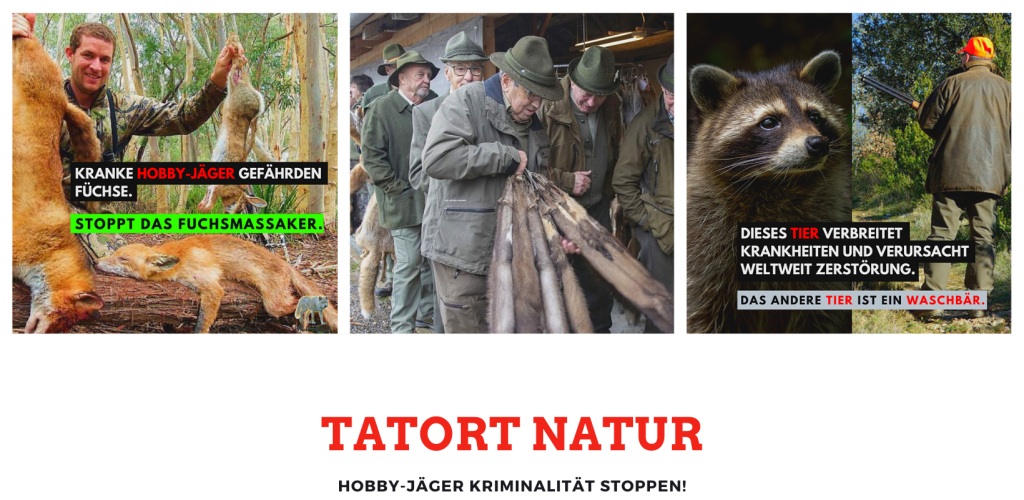
The position of IG Wild beim Wild: IG Wild beim Wild rejects recreational hunting. Our model is the canton of Geneva, which has managed without recreational hunting since 1974: without hunting seasons, without hunting dogs, without driven hunts, without high seats, without the animal cruelty and crime that go hand in hand with hunting season elsewhere. What has worked there for over fifty years disproves every position paper by JagdSchweiz. An association that bases its policy on claims it refutes in its own documents is not a professional organisation, but a factory for misinformation.