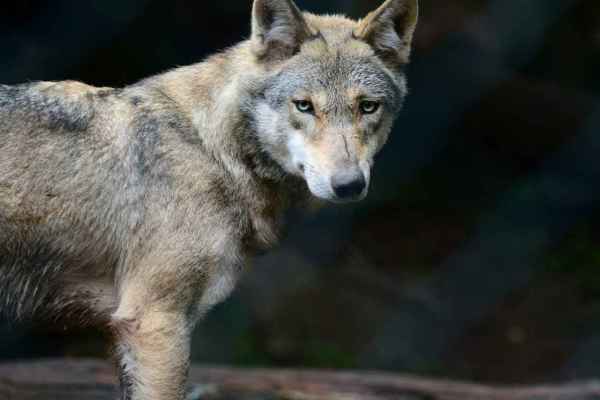
Wolf spotted in Biberstein AG: canton advises caution
Following the confirmed wolf sighting in Biberstein, the canton recommends that animal keepers review their herd protection. In Saas-Almagell, a wolf was shot dead around half an hour after being sighted within an approved kill perimeter.
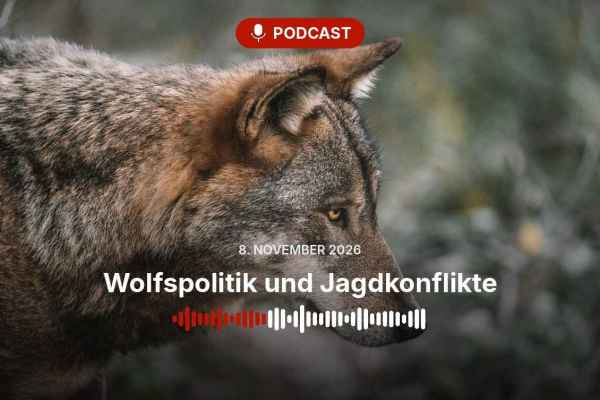
Stock image. Photo: George Hiles / Unsplash
Wolf Song
A wolf has been captured by a camera trap in Biberstein near Aarau. The canton announced this on Tuesday morning via a warning SMS, as reported by the «Aargauer Zeitung» on 10 November 2026. It recommends that animal keepers review their herd protection. A few days earlier, events in Valais showed how differently a wolf near a settlement can be dealt with when a kill permit is already in place.
What animal keepers in Aargau can do
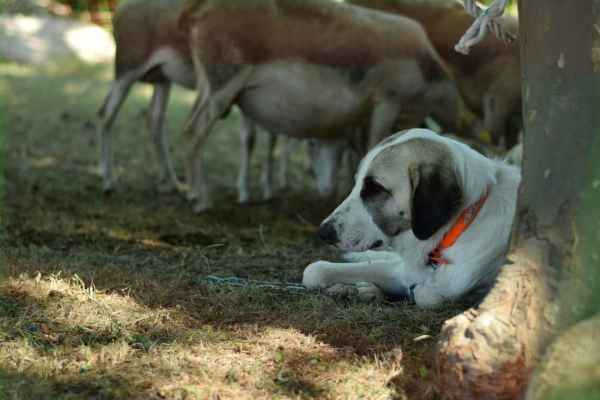
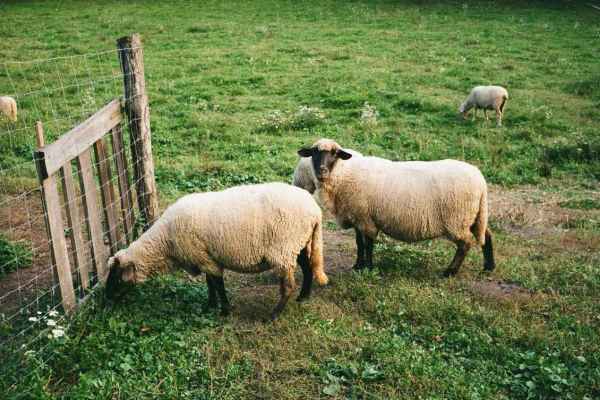
The canton of Aargau sets out clear minimum requirements on its herd protection page. Basic protection means an electric fence of at least 3,000 volts or at least two recognised livestock guardian dogs per pasture. Fences for sheep and goats must be at least 90 centimetres high, for New World camelids 120 centimetres, and for farmed deer 180 centimetres. Flexible fences that are no longer in use must be removed within a week, because non-human animals can become entangled in poorly maintained fences and injure themselves.
According to the canton of Aargau, livestock killed by wolves, lynx or bears is compensated across Switzerland only if reasonable herd protection measures have been implemented. Advice is available from the herd protection unit at the Liebegg agricultural centre. Anyone wishing to be informed of confirmed wolf sightings and verified kills can use the cantonal SMS service: send «Start wolfag» to 079 711 20 40. The importance of basic protection was most recently demonstrated in Vaud: In Mézery, basic protection was missing.
In Valais, a kill permit was already in place
According to media reports, an adult wolf roamed through a residential area in Saas-Almagell on the evening of 6 November. The municipality alerted the wildlife wardens, and half an hour after the sighting the animal was dead, as watson reported. According to watson, the rapid kill was possible because a permit for the complete removal of a pack already existed for the area. In the table published by the cantonal authority, the kill of 6 November is assigned to the Nanz pack perimeter, whose complete removal the federal government approved in September. Whether the wolf that was killed actually belonged to the Nanz pack cannot be determined from the published information we reviewed (Valais hunting 2026/27 at a glance).
On 10 November, the cantonal decision on the complete removal of the Arolla-Ferpècle pack also came into force, after the FOEN had given its approval. The status in all cantons is shown by the counter Wolf kills Switzerland 2026/27.
Comment: inform and protect instead of shooting rashly
The two cases have different legal starting points, and that is precisely the decisive difference. In Aargau, information and herd protection take priority. In Saas-Almagell, the existing permit for the complete removal of the Nanz pack allowed a rapid kill within the designated perimeter, without any public documentation of whether the wolf that was killed actually belonged to that pack.
In the view of IG Wild beim Wild, a wolf sighting alone does not justify a kill. Anyone who wants to reduce conflicts with predators in the long term must put effective herd protection at the centre: well-maintained fences, suitable guardian dogs and expert advice rather than the quickest possible shot.
More on the subject of recreational hunting: In our dossiers on recreational hunting gather fact-checks, analyses and background reports. The scientific evidence is presented in the overview Studies on the Effects of Recreational Hunting.
The position of IG Wild beim Wild: IG Wild beim Wild rejects recreational hunting. Our model is the canton of Geneva, which has managed without recreational hunting since 1974: without hunting seasons, without hunting dogs, without driven hunts, without high seats, without the animal cruelty and crime that go hand in hand with hunting season elsewhere. What has worked there for over fifty years disproves every position paper by JagdSchweiz. An association that bases its policy on claims it refutes in its own documents is not a professional organisation, but a factory for misinformation.
Wild animals need a voice
Once a week: research, petitions and background information on recreational hunting. Free of charge and can be unsubscribed from at any time.

All articles are written by IG Wild beim Wild as well as by external co-authors. Research, structuring and editorial processes may be supported by AI-assisted tools.
Support our work
With your donation you help protect animals and give their voice a hearing.
Donate now →