Oberegg: Lynx shot elsewhere, time of killing falls within recreational hunting season
Police narrow the crime down to 4 to 7 November, when the small-game hunt was under way in Inner Rhodes.
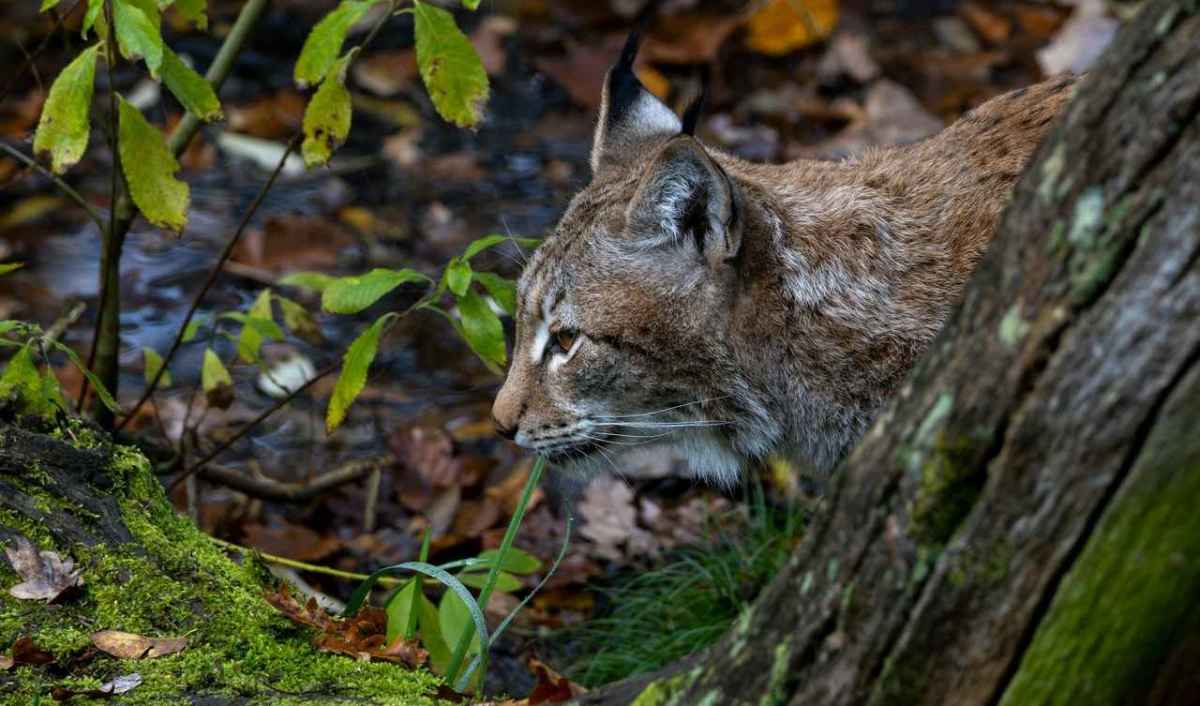
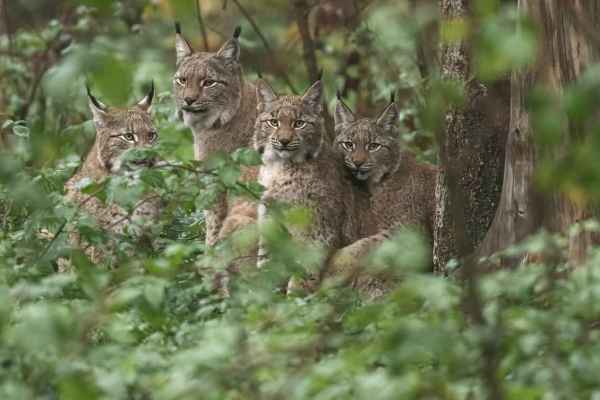
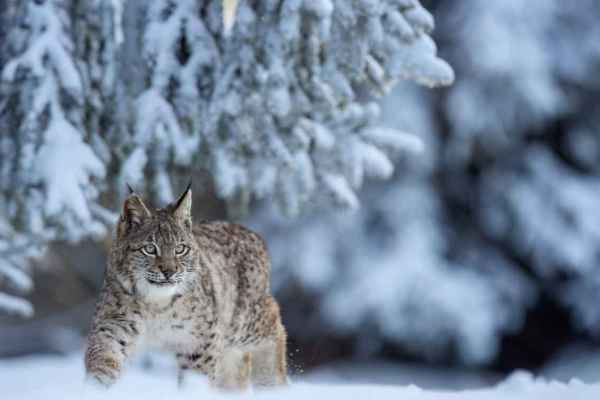
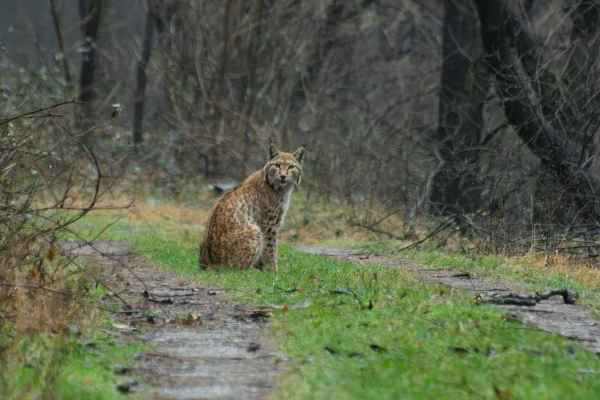
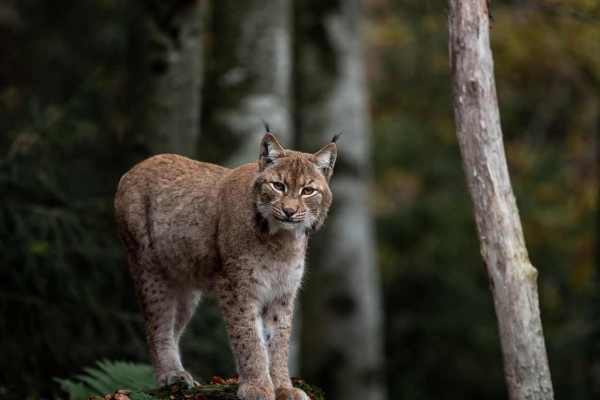
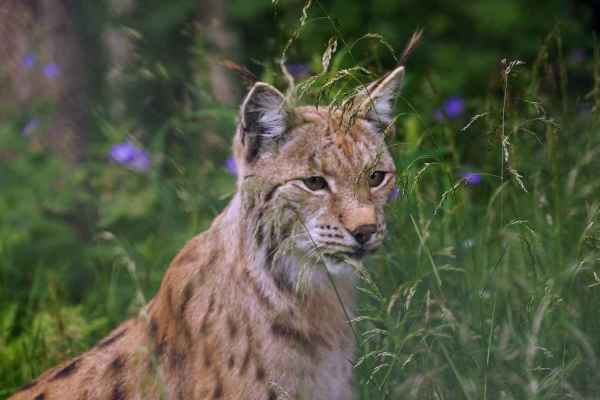
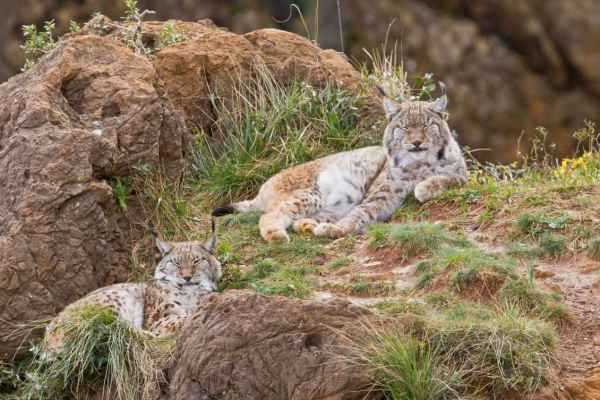
Symbolic image. Photo: Matthieu Rochette / Unsplash
The Trail in the Snow
The lynx mother and her two cubs of this year, found dead in Oberegg on Saturday 7 November 2026, were not shot where they were found. The Appenzell Inner Rhodes cantonal police announced this on Monday 16 November. Police assume that the non-human animals were killed between Wednesday 4 November and Saturday 7 November and subsequently dumped on St. Antonstrasse. This period falls entirely within the canton's regular small-game hunting season. Where the lynx were shot remains unknown.
What the police have newly announced
We reported on the discovery in the "Obere Bäumen" area on 9 November: Oberegg AI: lynx mother and two cubs found dead with gunshot wounds. What is new is that the place where they were found is not the crime scene, as appenzell24.ch and Keystone-SDA reported on 16 November. According to TVO, the area of investigation is therefore being widened.
The fact that the place where they were shot and the place where they were found lie apart raises further questions: Where were the three lynx killed, how did their bodies end up on St. Antonstrasse, and who was involved? The published information contains nothing on the exact sequence of events or a possible motive.
Time of the crime in the middle of recreational hunting season
According to the official Standeskommission decree on hunting (Annex 2, as at 1 July 2026), the regular small-game hunting season in Appenzell Inner Rhodes ran from 5 October to 14 November 2026. In the week from 2 to 7 November, shooting hours ran from Monday to Saturday between 6.30 a.m. and 5.15 p.m. All four days of the presumed time of the crime were therefore hunting days. Earth hunting and bird hunting were running in parallel. Game that is killed must be declared within 24 hours, in the district of Oberegg to a voluntary hunting assistant.
Oberegg borders Appenzell Outer Rhodes and the St. Gallen Rhine Valley. In Outer Rhodes, the roe deer hunt ended on 7 November exactly, as the canton announced in June when it set the hunting regulations for 2026/27. In the days in which the police place the offence, recreational hunters were therefore legally permitted to be out with firearms in the region.
The overlap in timing does not prove any connection to the perpetrator. Until a verdict is reached, the presumption of innocence applies. It does, however, raise questions: Which hunting activities are documented for the period of the offence? Were there checks or observations that could help clear up the case? Were projectiles or projectile fragments secured, and what conclusions do they allow? Whether any such enquiries are under way is not publicly known.
What the canton and police are not saying
The police speak of extensive investigations. The statements issued so far, however, contain no details on investigation results, the weapon used or the ammunition. No further public statement from the Office for Hunting and Fisheries, which reported the find, has reached our editorial team to date. It is also unclear whether the canton carried out any checks during the small game hunt.
Legally, the situation is clear. Anyone who intentionally and without authorisation kills an animal of a protected species is punished under Art. 17 of the Federal Hunting Act with a custodial sentence of up to one year or a monetary penalty. In cases of negligence, the law provides only for a fine. For instance, a Grisons game warden who shot three lynx in the Surselva in November 2024 during wolf regulation was sentenced by penalty order for negligent killing to a four-figure fine, as watson reported on 28 May 2025. We have documented further cases in which poaching of protected animals ended with lenient penalties in 300 francs for a female wolf and, in a comparison with France, in Lynx beaten to death in Alsace.
Nine days until the first report on “Schweiz aktuell”
Swiss television gave the case little room. The canton published its press release on Monday, 9 November. “Schweiz aktuell” first took up the case on Monday, 16 November, nine days after the discovery. The item lasted less than a minute.
In response to our enquiry, the SRF audience service stated in writing that an item loses urgency for the television news once it has appeared online and on the radio. Yet the urgency of a news item and the significance of a case are two different things. The police are still looking for witnesses, and the new finding regarding the crime scene has given the case a new twist. Reach would be especially valuable right now. Perhaps a more detailed report will follow. If it stays with the brief item, the question arises as to what criteria the television editorial team uses to weigh the illegal killing of strictly protected wild animals.
Information and reward
The Appenzell Inner Rhodes cantonal police accept information on 071 788 95 00. PETA Switzerland has offered offered a reward of 2,000 francs for information leading to the final conviction of the perpetrator(s). PETA accepts information on 071 588 03 84, also anonymously. Anyone who heard shots or observed anything unusual in the Oberegg area, the neighbouring Vorderland or the Rhine Valley between 4 and 7 November should come forward.
We have explained what the loss of a breeding-age female lynx means for the small population of north-eastern Switzerland in Lynx in north-eastern Switzerland: after Oberegg, there is no public rescue plan and Hereditary disease in lynx.
Commentary: Clearing this up requires public attention
A lynx mother and her two young were shot and dumped at another location, in a week when recreational hunting was under way in the canton. The public has a legitimate interest in this case being investigated thoroughly. That includes the question of whether the documented hunting activity during the period of the offence can provide leads, without drawing a blanket suspicion against everyone licensed to hunt. The canton of Appenzell Inner Rhodes should report on the status of the proceedings, as far as the investigation allows. And the media should follow the case beyond the first brief report, because without attention no witnesses will come forward. How poaching otherwise stays hidden is shown by the article Poaching in the Forest: When Violence Becomes Normal.
Seen something yourself?
A driven hunt next to a hiking trail, a shot fired near houses, a trap in the forest or an injured wild animal: report it to the Recreational Hunter Radar. We check every tip-off and treat your details confidentially.
More on the subject of recreational hunting: In the dossier Poaching and hunting crime in Switzerland we document cases, legal questions and recurring patterns. The scientific evidence is presented in the overview Studies on the Effects of Recreational Hunting.
The position of IG Wild beim Wild: IG Wild beim Wild rejects recreational hunting. Our model is the canton of Geneva, which has managed without recreational hunting since 1974: without hunting seasons, without hunting dogs, without driven hunts, without high seats, without the animal cruelty and crime that go hand in hand with hunting season elsewhere. What has worked there for over fifty years disproves every position paper by JagdSchweiz. An association that bases its policy on claims it refutes in its own documents is not a professional organisation, but a factory for misinformation.
Wild animals need a voice
Once a week: research, petitions and background information on recreational hunting. Free of charge and can be unsubscribed from at any time.
Support our work
With your donation you help protect animals and give their voice a hearing.
Donate now →