Hereditary disease in lynx: study finds deadly genetic defect in north-eastern Switzerland
A recessive mutation causes young lynx to die from calcified organs. It reached the north-east with relocated Alpine lynx.
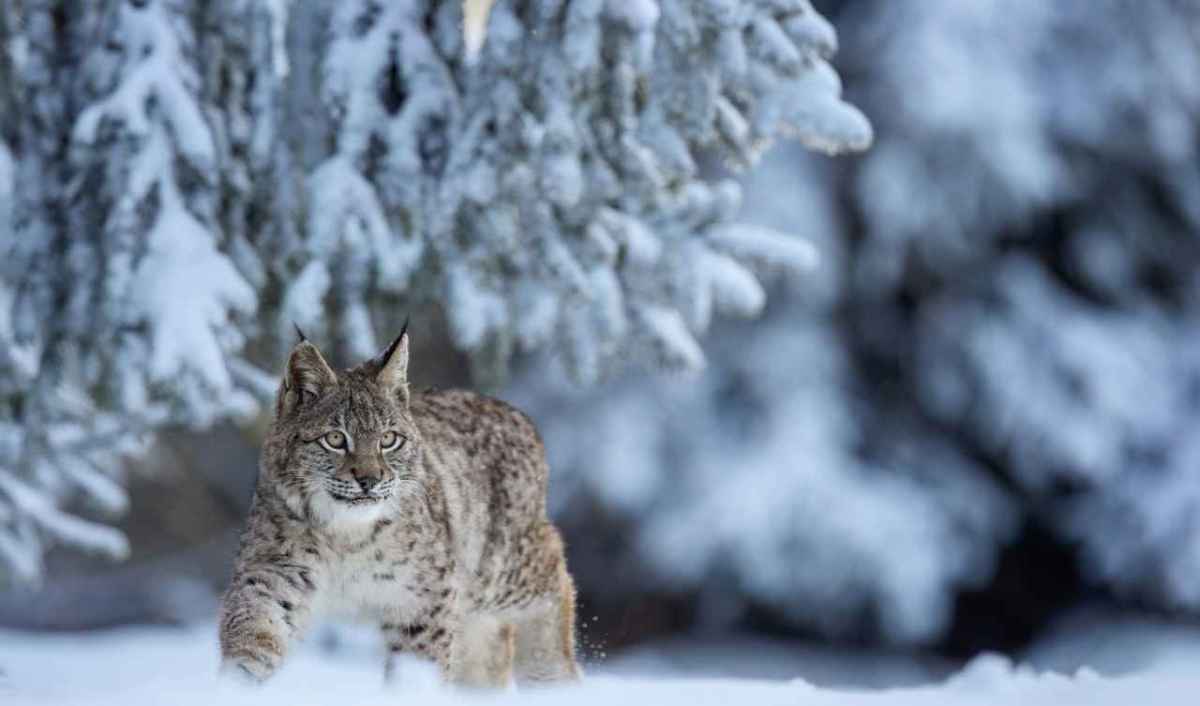
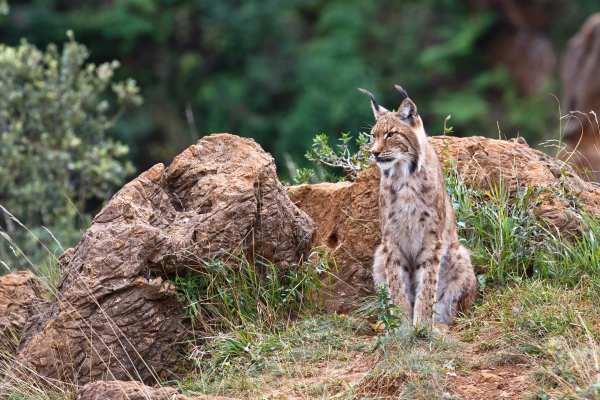
Symbolic image. Photo: Zdeněk Macháček / Unsplash
“The Trail in the Snow”
Young lynx in north-eastern Switzerland are dying from a hereditary disease. A study published on 16 November 2026 in the journal «Nature Ecology & Evolution», led by the University of Bern, has identified the cause of the fatal calcification of internal organs: a mutation in the FGF23 gene. According to the researchers, it is the first proof worldwide of a genetic cause of a fatal hereditary disease in a free-living wild animal population.
What the researchers found
The FGF23 gene contains the blueprint for a hormone that regulates phosphate balance. The variant that was found prevents this hormone from being released from the cells. In the affected young animals, calcium then builds up in several organs until they die. The disease only breaks out if a young lynx inherits the variant from both parents. Animals with only one copy remain healthy and pass it on unnoticed. In humans, defects in the same gene cause a rare calcification disease.
The research team examined the genetic material of 331 lynx from all over Switzerland, sampled between 1981 and early 2026. Twelve lynx carried the variant twice: eleven from north-eastern Switzerland and one animal from 1999 from the south-western Alps. Seventy-eight lynx were healthy carriers.
It reached the north-east with the relocation
The variant originates from the Alpine population, where it can be traced back as early as 1981. Between 2001 and 2008, twelve lynx from the Alps and the Jura were translocated to north-eastern Switzerland to establish a new population there. At least four of these founder animals carried the mutation. In the small, isolated population, two carriers increasingly met and mated. Of 47 healthy lynx from north-eastern Switzerland examined (2012 to 2025), 23 were carriers, almost half. In the Alps the figure for the same period was 16 out of 158, and in the Jura none.
According to the study, the north-eastern Swiss population has stagnated at around 21 independent lynx since 2016. Inbreeding and the hereditary disease are considered the causes of the losses among offspring. Before the defect was even known, four healthy female carriers were also translocated to another European country.
What this means for Swiss lynx
All Swiss lynx descend from around 30 Carpathian lynx released from the 1970s onwards. That genetic impoverishment makes animals ill was already known: in the Jura, lynx without outer ears were noticed (Lynx without ears: genetic impoverishment in the Jura), and another study documented congenital heart malformations (New studies: lynx in Switzerland remains threatened despite comeback). With FGF23, such a defect has now been traced back to the gene for the first time.
The researchers recommend choosing source populations with high genetic diversity for reintroductions, genetically testing lynx before translocations, preserving wildlife corridors and permanently monitoring the health of populations. We have set out why no public plan for new, unrelated lynx exists to date for north-eastern Switzerland in Lynx in north-eastern Switzerland: after Oberegg, there is no public rescue plan. In addition, a lynx mother and her two young were found dead with gunshot wounds in Oberegg AI on 7 November (Oberegg AI: lynx mother and two cubs found dead with gunshot wounds).
Comment: Every lynx counts
The study shows how fragile Swiss lynx populations are. In north-eastern Switzerland, almost half of the healthy lynx examined carry a lethal hereditary trait. Every animal that reproduces is irreplaceable for the population. All the less comprehensible, then, that Valais wants to apply to the federal government for lynx regulation (Valais wants to shoot lynx for the first time). A species whose young die as a result of inbreeding needs fresh genetic material and consistent protection from poaching, not kills.
Seen something yourself?
A driven hunt next to a hiking trail, a shot fired near houses, a trap in the forest or an injured wild animal: report it to the Recreational Hunter Radar. We check every tip-off and treat your details confidentially.
More on the subject of recreational hunting: In our dossiers on recreational hunting gather fact-checks, analyses and background reports. The scientific evidence is presented in the overview Studies on the Effects of Recreational Hunting.
The position of IG Wild beim Wild: IG Wild beim Wild rejects recreational hunting. Our model is the canton of Geneva, which has managed without recreational hunting since 1974: without hunting seasons, without hunting dogs, without driven hunts, without high seats, without the animal cruelty and crime that go hand in hand with hunting season elsewhere. What has worked there for over fifty years disproves every position paper by JagdSchweiz. An association that bases its policy on claims it refutes in its own documents is not a professional organisation, but a factory for misinformation.
Wild animals need a voice
Once a week: research, petitions and background information on recreational hunting. Free of charge and can be unsubscribed from at any time.
Support our work
With your donation you help protect animals and give their voice a hearing.
Donate now →