Lynx without ears: Genetic impoverishment in the Jura
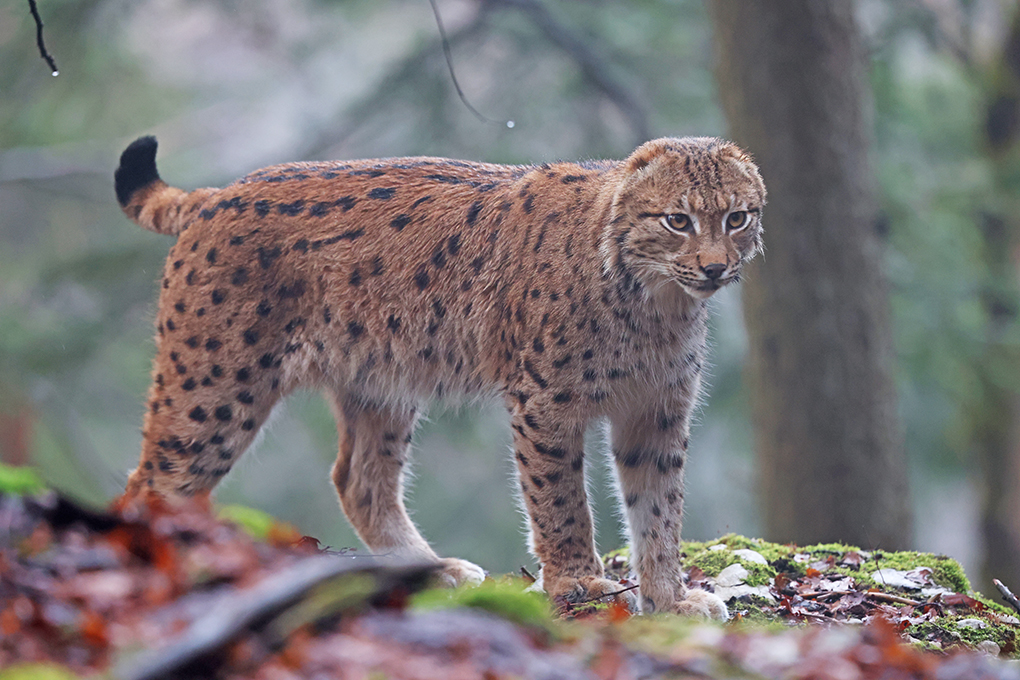
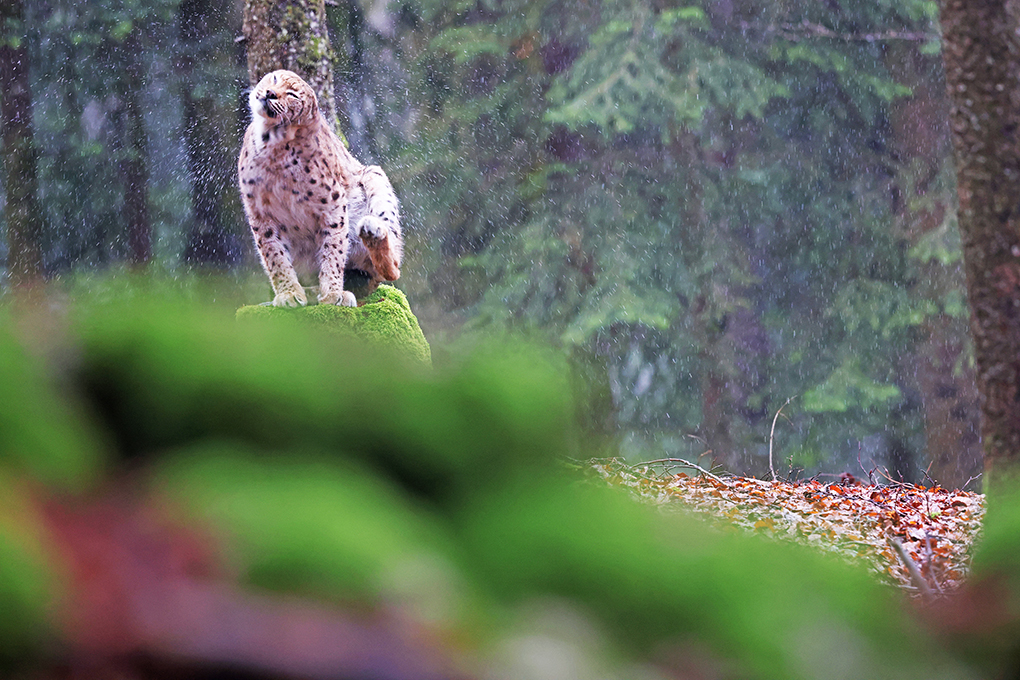
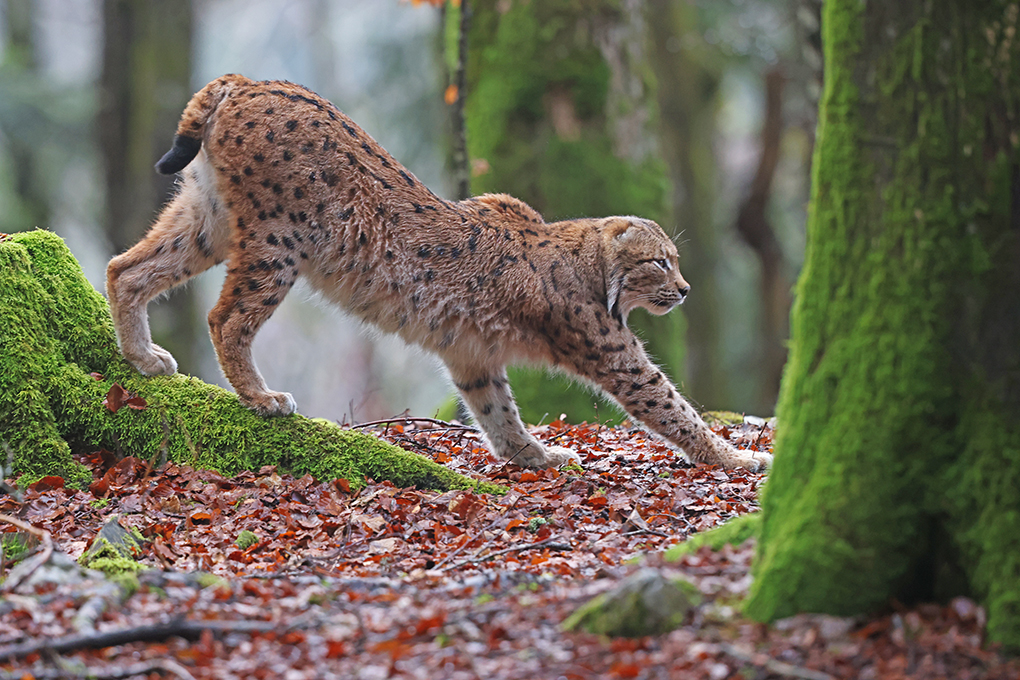
This earless lynx is an example of the alarming genetic impoverishment of the species in the Franco-Swiss Jura mountains.

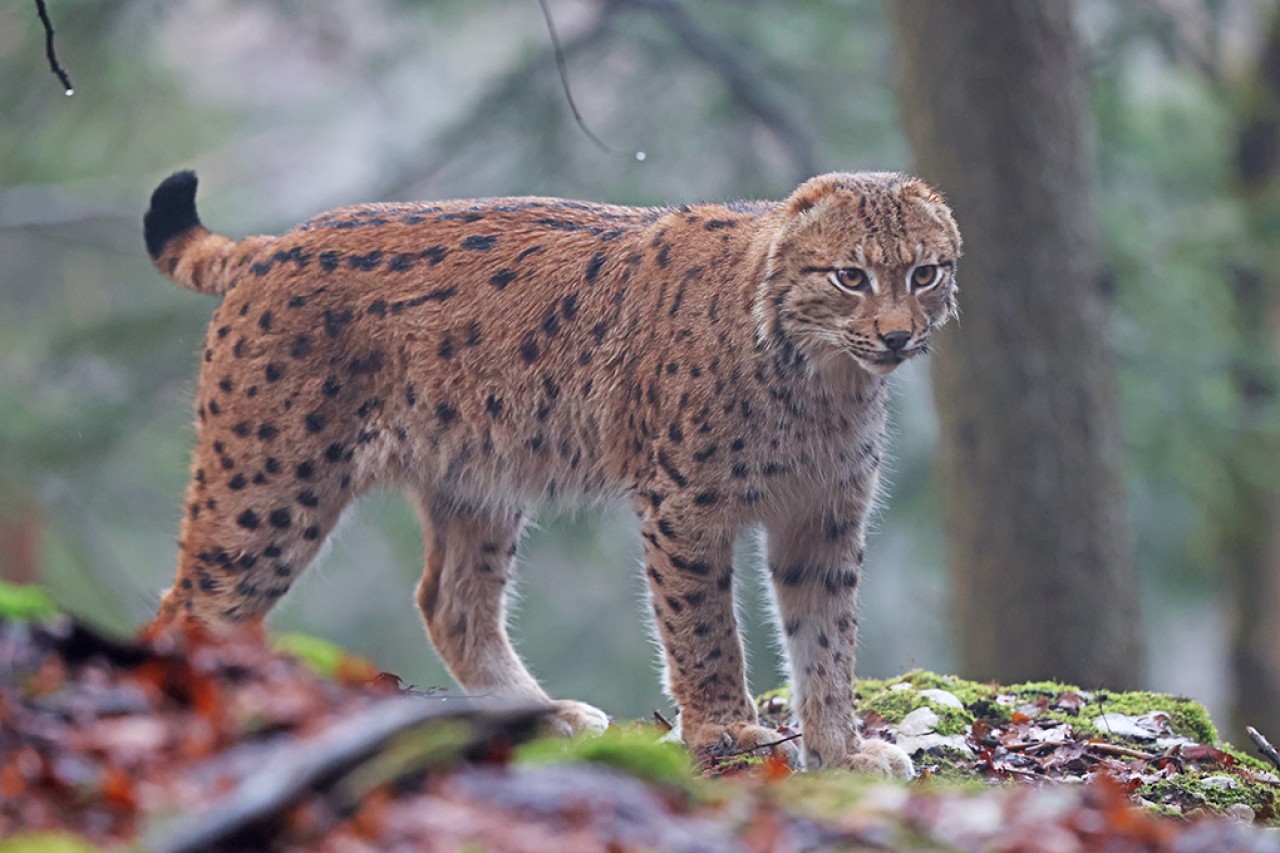
Inbreeding threatens the lynx in the Jura
Inbreeding threatens the future of the predator in the Jura mountains, as it lives in isolation without contact with the populations inhabiting the Alps and pre-Alps.
It would be urgently necessary for fresh blood to strengthen the vitality of the Jura lynx, which is showing serious signs of weakness (heart murmurs, low birth weight, drastic decline in fertility), writes photographer Alain Prêtre.
It should be recalled that the Jura lynx population originated from the reintroduction of ten Carpathian lynxes in the Neuchâtel Jura in 1970.
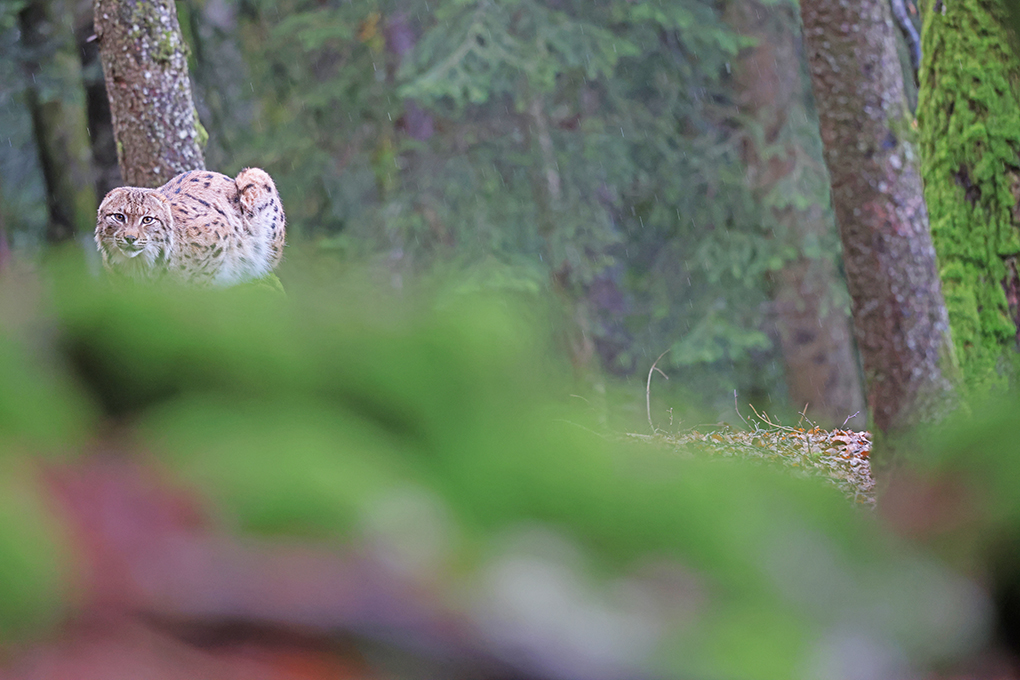

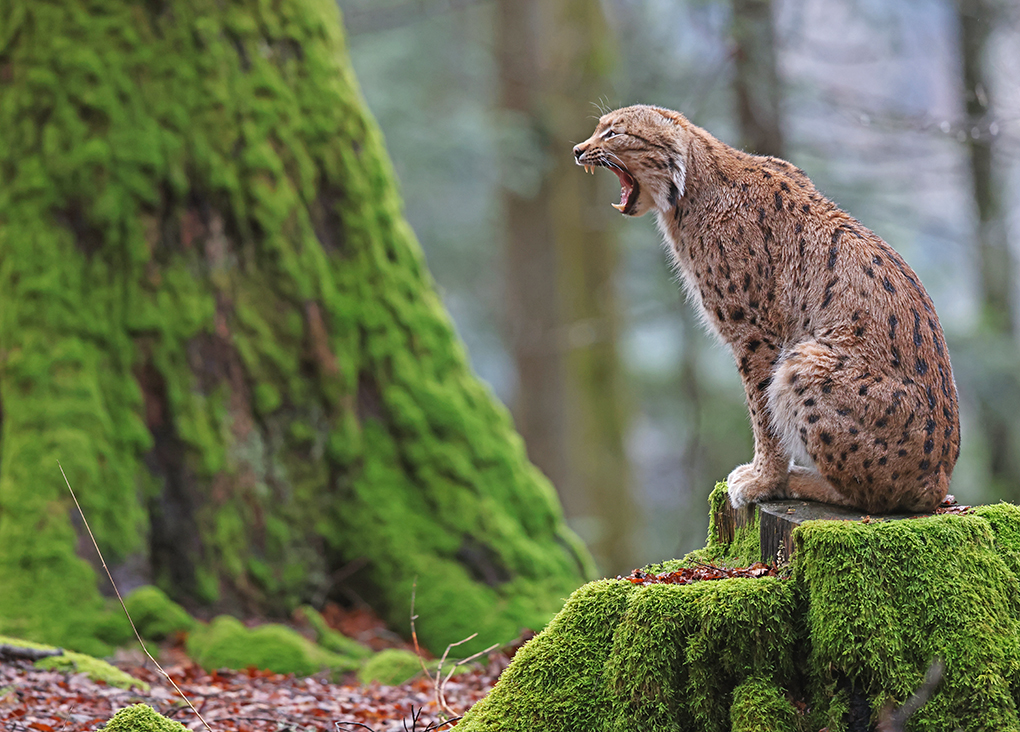
300 lynxes in Switzerland
According to the latest estimates from the Federal Office for the Environment (FOEN), around 300 lynxes live in Switzerland. Of these, around 200 live in the pre-Alps and Alps, and around 100 in the Jura forests. Several lynxes have also recently been spotted in the Mittelland. The lynx population in Switzerland is thus the largest in the Alpine region.
In order to support the establishment of new populations in neighbouring countries and promote connectivity, Switzerland participates in reintroduction projects abroad, such as in Italy, Austria, and most recently in Germany. To this end, lynxes were captured in Switzerland and relocated, where they are then mostly shot by recreational hunters.
Poaching and traffic accidents as additional threats
The weakening of the gene pool of the Jura lynx is far from the only factor endangering the future of the lynx. Traffic accidents and poaching by recreational hunters also pose a real threat to the survival of the Jura lynx population.
And despite the obvious decline of the lynx in the Jura, the recreational hunting associations of the cantons of Vaud, Neuchâtel and Franche-Comté still dare to clamour for regulation of the lynx.
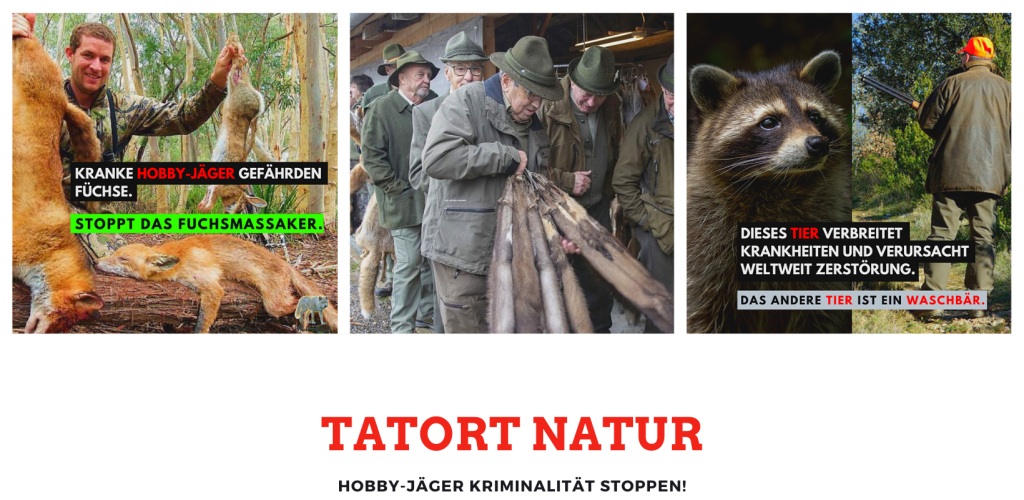
More on the subject of recreational hunting: In our dossiers on recreational hunting gather fact-checks, analyses and background reports. What the research says about this is shown by Hunting fact-checked: the state of research.
The position of IG Wild beim Wild: IG Wild beim Wild rejects recreational hunting. Our model is the canton of Geneva, which has managed without recreational hunting since 1974: without hunting seasons, without hunting dogs, without driven hunts, without high seats, without the animal cruelty and crime that go hand in hand with hunting season elsewhere. What has worked there for over fifty years disproves every position paper by JagdSchweiz. An association that bases its policy on claims it refutes in its own documents is not a professional organisation, but a factory for misinformation.