Castel Volturno: Seven recreational hunters reported for using lure devices
On the coast north of Naples, recreational hunters are alleged to have lured migratory birds with played-back bird calls. Such devices are banned in the EU as well as in Switzerland, because they bring birds indiscriminately and in large numbers within range of the shotgun.

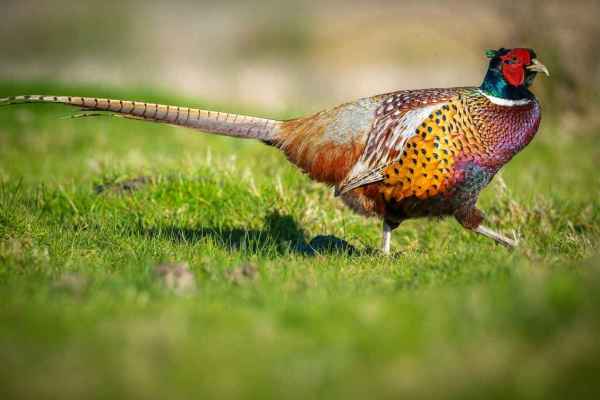
Illustrative image. Photo: Luke Yang / Unsplash
Near Castel Volturno in the province of Caserta, officers of the Polizia Provinciale and volunteer hunting and environmental inspectors of the WWF checked seven recreational hunters, as became known on 31 October. All seven have been reported to the public prosecutor, and three electronic bird-call lure devices were seized.
What the inspection found
The officers under Commander Biagio Chiariello were out together with the sworn volunteer hunting and environmental inspectors of the WWF led by Alessandro Gatto in rural areas along the bird migration routes of the Litorale Domizio, the coastal strip north of Naples. There they came across seven people engaged in recreational hunting and checked six hunting rifles together with their papers. According to CasertaNews, three electromagnetic lure devices were seized along with the accessories needed to run them: USB sticks with recorded bird calls, batteries and remote controls.
The seven recreational hunters were reported to the public prosecutor in Santa Maria Capua Vetere. The allegation is hunting with prohibited acoustic and electronic aids under Italian hunting act 157/1992, as the Quotidiano del Sud reports. There has been no verdict; the presumption of innocence applies. The president of the province of Caserta, Anacleto Colombiano, announced that the joint inspections with the WWF along the coast would continue (Cronache della Campania).
Why lure devices are banned
The devices play back recorded bird calls. Migrating birds follow the voices of their own kind and land where the recreational hunters are waiting. Because they make it possible to attract birds indiscriminately and in large numbers, the EU Birds Directive in Article 8 and Annex IV expressly lists tape recorders as hunting devices. In Italy the device alone is enough: the Court of Cassation has ruled that using an electromagnetic lure call constitutes the offence of hunting with prohibited means, even without live decoys (Corte di Cassazione, 2004).
Such devices are also prohibited in Switzerland. Article 2, paragraph 1, letter e of the federal Hunting ordinance prohibits “electronic sound-playback devices for attracting animals”. In doing so, the Confederation implements Annex IV of the Bern Convention, which is binding with regard to prohibited aids (Federal explanatory notes on the Hunting Ordinance).
A well-known hotspot of bird poaching
The case is not an isolated one. On the same stretch of coast, provincial police and WWF had already seized lure-call devices for quail hunting in May 2026, at that time with a complaint against persons unknown (Caserta Web). The Italian environmental agency ISPRA counts the coasts between Lazio and Campania among the seven priority areas for bird poaching in Italy and singles out the Litorale Domizio in particular (ISPRA). According to the 2017 national action plan against bird poaching, the illegal capture of waterbirds on the Litorale Domizio is carried out on land controlled by families from the circles of Camorra clans. This is how LIPU and other environmental organisations cite the plan in a joint letter. In the 2025/26 season, electronic lure calls were, with 177 cases, the second most common hunting offence in Italy after the killing of protected species, and the province of Caserta ranks after Brescia, Naples and Rome among the provinces with the most people reported (Committee Against Bird Slaughter).
Wild beim Wild has documented similar patterns in northern Italy: in the province of Brescia, carabinieri take thousands of nets and traps for songbirds out of circulation every year, and in the Parco del Ticino the police seized 46 firearms from suspected poachers in October. At the same time, Rome is further loosening the protection of migratory birds with the “Sparatutto” hunting act.
Context
In Castel Volturno, those reported were not persons unknown but seven recreational hunters who were out hunting with guns and papers. This matches the finding of the Italian bird protection organisation LIPU, according to which the poaching offences in Operation Pettirosso were largely committed by recreational hunters holding a valid hunting licence (LIPU), as Wild beim Wild already described in the Brescia article reported. For Italy in the 2025/26 season, the Committee Against Bird Slaughter attributes 72 per cent of hunting offences to licensed recreational hunters and 23 per cent to people without a licence. The line between permitted recreational hunting and poaching therefore does not run between two separate groups, but straight through the hunting community. The case was uncovered only by a targeted inspection in which volunteer WWF wardens took part. What the recreational hunting community likes to sell as self-policing evidently does not take place on this stretch of coast.
More on the subject of recreational hunting: In the dossier Poaching and hunting crime in Switzerland we document cases, legal questions and recurring patterns. What the research says about this is shown by Hunting fact-checked: the state of research.
The position of IG Wild beim Wild: IG Wild beim Wild rejects recreational hunting. Our model is the canton of Geneva, which has managed without recreational hunting since 1974: without hunting seasons, without hunting dogs, without driven hunts, without high seats, without the animal cruelty and crime that go hand in hand with hunting season elsewhere. What has worked there for over fifty years disproves every position paper by JagdSchweiz. An association that bases its policy on claims it refutes in its own documents is not a professional organisation, but a factory for misinformation.
Wild animals need a voice
Once a week: research, petitions and background information on recreational hunting. Free of charge and can be unsubscribed from at any time.

All articles are written by IG Wild beim Wild as well as by external co-authors. Research, structuring and editorial processes may be supported by AI-assisted tools.
Support our work
With your donation you help protect animals and give their voice a hearing.
Donate now →