Oberegg AI: lynx mother and two cubs found dead with gunshot wounds
Appenzell Inner Rhodes cantonal police are investigating after the discovery of a lynx mother and two cubs, and are seeking witnesses.
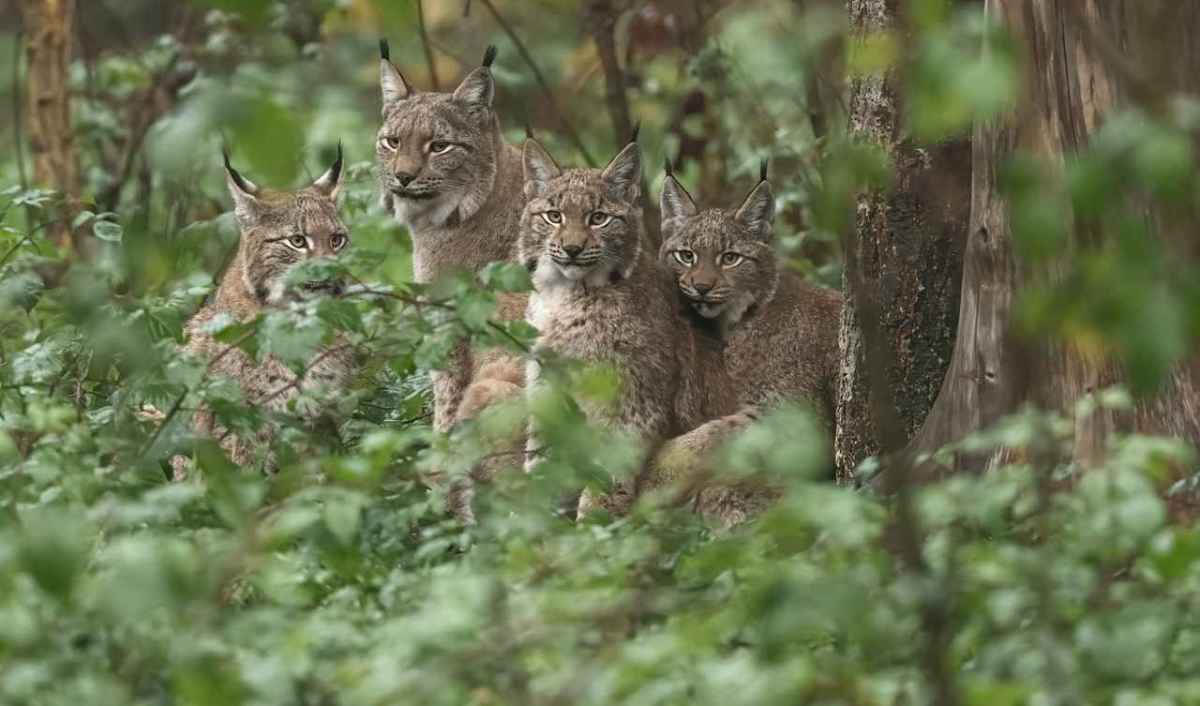
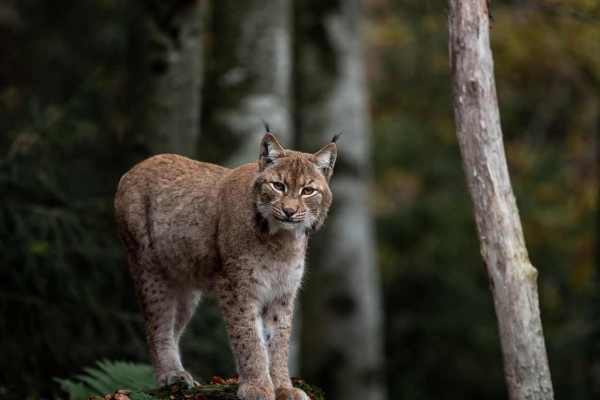
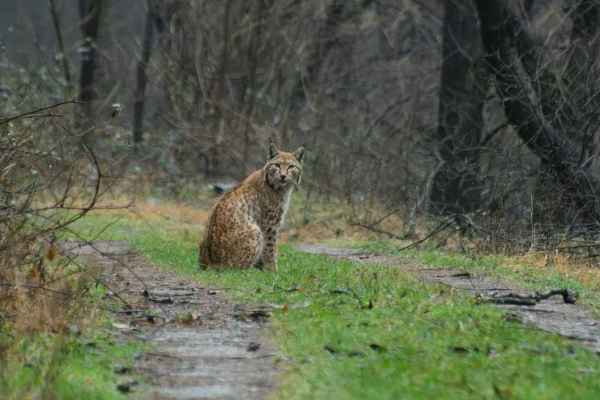
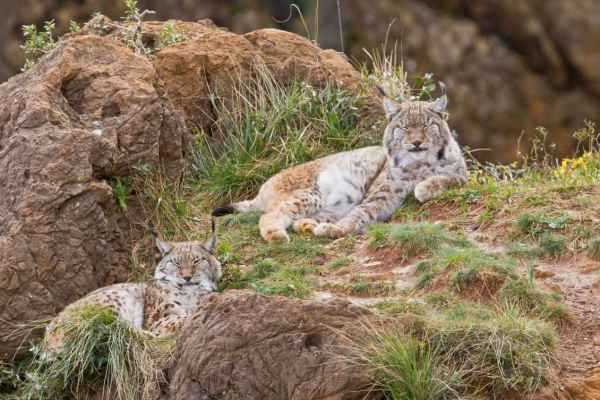
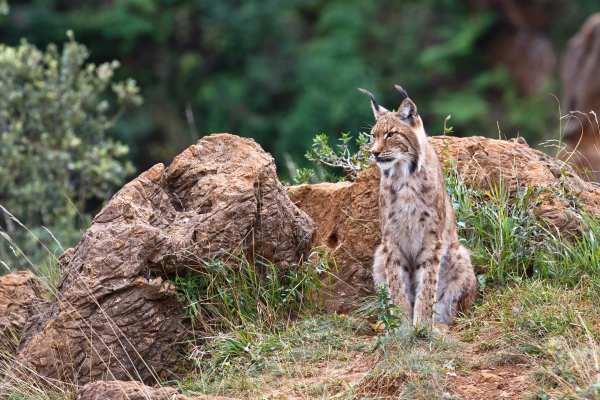
Stock photo. Photo: Hans Veth / Unsplash
The Trail in the Snow
On Saturday 7 November 2026, the discovery of three dead lynx in the district of Oberegg was reported to the Appenzell Inner Rhodes Office for Hunting and Fisheries. The game warden found the non-human animals in the area known as «Obere Bäumen», not far from St. Antonstrasse. According to a press release from the Appenzell Inner Rhodes cantonal police, they are a mother and two cubs born this year. All three had gunshot wounds.
What the police have said so far
The Office for Hunting and Fisheries has filed a criminal complaint, and the cantonal police are leading the investigation. So far, the police have given no information on the perpetrator, the time of the offence or the weapon used. They are looking for anyone who made suspicious observations in connection with the dead lynx. Information can be given to the Appenzell Inner Rhodes cantonal police on 071 788 95 00.
In Switzerland, the lynx is protected by the federal hunting act and may not be hunted. Anyone who unlawfully kills a lynx is committing a criminal offence.
Lynx mother and offspring dead
Young lynx are born in early summer and stay with their mother until the following spring, while she feeds them and teaches them to hunt. In Oberegg, two of this year's cubs were found dead alongside the female lynx. The loss of a female capable of breeding, together with her offspring, weighs heavily on a small population.
The lynx of north-eastern Switzerland descend from a handful of translocated animals. During camera-trap monitoring in winter 2017/18, KORA identified, across the cantons of St. Gallen, Zurich and both Appenzells, 17 independent lynx and eight to ten cubs. Across Switzerland, lynx live in two genetically isolated populations, and researchers document congenital heart defects, possibly linked to low genetic diversity. Every lynx female that is killed hits these populations directly.
Not an isolated case
Lynx poaching has a long trail in Switzerland. In 2017, a lynx mother with a stomach wound from a gunshot was killed on Lake Thun. In 2000, after a controversy over lynx in the cantons of Bern and Vaud, six animals fell victim to poachers; the proceedings were dropped. In 2025, a female lynx was poached in the Gruyère district, leaving her young with hardly any chance of survival. According to KORA, by 2018 around 16 per cent of lynx found dead were victims of poaching, with a high number of unreported cases.
How slight a sanction can be is shown by a case from Valais: the shooter of a protected female wolf was fined 300 francs. The dossier Poaching and hunting crime in Switzerland sheds light on further cases and how the authorities deal with them.
Commentary: Three dead lynx, all with gunshot wounds
Who fired the shots in Oberegg remains unknown, and until a verdict is reached the presumption of innocence applies. But three animals from the same family, all with gunshot wounds: an accidental miss is hardly conceivable as an explanation. All the more important, then, that the investigation establishes the sequence of events without gaps.
The lynx feeds mainly on roe deer and chamois and is therefore regarded as a competitor in parts of the recreational hunting community. Valais wants to be the first canton to open it up for killing again, even though the genetic diversity of the populations is low. A connection between political demands for culling and the Oberegg case has not been proven. The criticism remains justified nonetheless: anyone who declares a highly endangered species a problem animal and calls for its killing weakens its protection. The authorities must now show that they take poaching of protected predators seriously: with forensic evidence gathering, with investigations that also extend to those holding hunting rights in the region, and with transparent information about the outcome of the proceedings. Why the protection of wild animals belongs in professional hands in general is shown by the argumentation guide for professional game wardens.
More on the subject of recreational hunting: In the dossier Poaching and hunting crime in Switzerland we document cases, legal questions and recurring patterns. The scientific evidence is presented in the overview Studies on the Effects of Recreational Hunting.
The position of IG Wild beim Wild: IG Wild beim Wild rejects recreational hunting. Our model is the canton of Geneva, which has managed without recreational hunting since 1974: without hunting seasons, without hunting dogs, without driven hunts, without high seats, without the animal cruelty and crime that go hand in hand with hunting season elsewhere. What has worked there for over fifty years disproves every position paper by JagdSchweiz. An association that bases its policy on claims it refutes in its own documents is not a professional organisation, but a factory for misinformation.
Wild animals need a voice
Once a week: research, petitions and background information on recreational hunting. Free of charge and can be unsubscribed from at any time.

All articles are written by IG Wild beim Wild as well as by external co-authors. Research, structuring and editorial processes may be supported by AI-assisted tools.
Support our work
With your donation you help protect animals and give their voice a hearing.
Donate now →