
Recreational hunters on my property: what can I do?
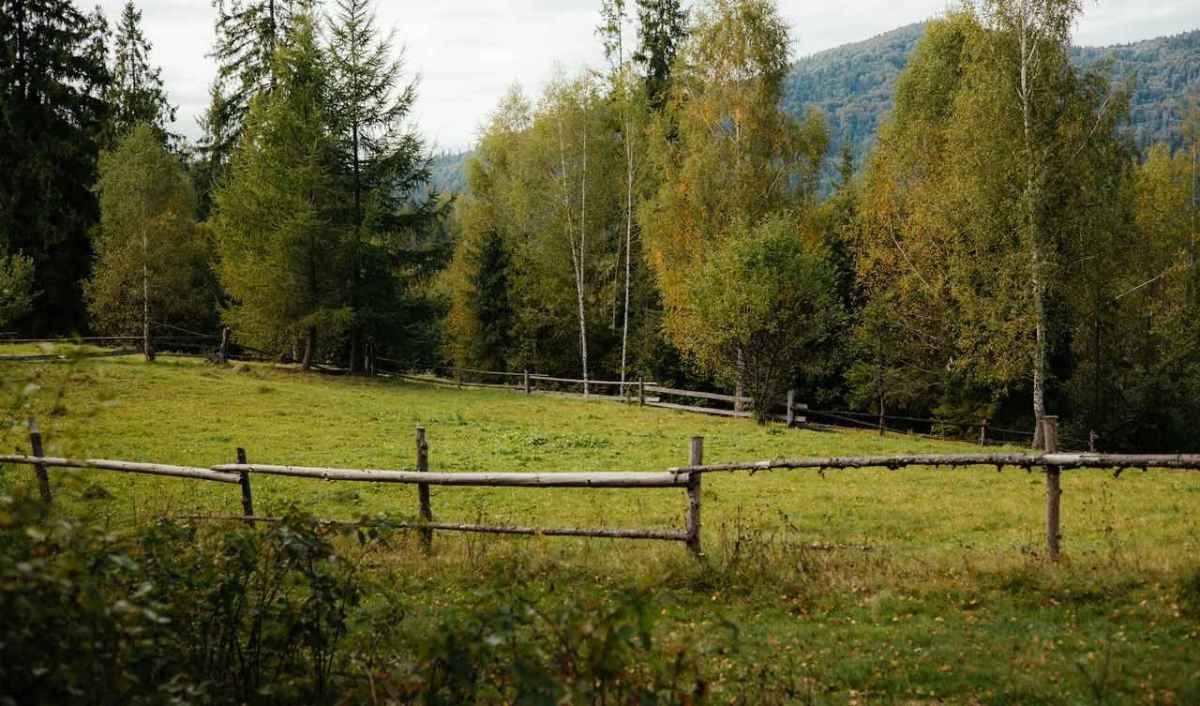
Recreational hunters in your own woodland, shots fired near the pasture, torn-down prohibition signs: many landowners in Switzerland do not know what they have to tolerate and where they can defend themselves. This guide explains the legal position, shows what you can do in practice, and includes a template letter. It is no substitute for legal advice in an individual case.
What the law says
The basis is Art. 699 of the Civil Code. Paragraph 1 allows everyone to enter woodland and pasture to a customary extent. Paragraph 2 provides that cantonal law may lay down more detailed rules on entering other people's property for the purposes of hunting and fishing. What is permitted on your property, and how, is therefore determined above all by the hunting act and hunting ordinance of your canton.
In Switzerland there is no general right to exempt your own property from recreational hunting simply by making a declaration on grounds of conscience (so-called hunting-free status). The canton of Geneva is a different case: private recreational hunting has been banned there entirely since 1974, although official interventions in wildlife populations remain possible. In Germany and France, the European Court of Human Rights has protected landowners who object to hunting ("Chassagnou v. France" 1999, "Herrmann v. Germany" 2012). The protection of property on which these rulings are based in particular is set out in the First Protocol to the ECHR, which Switzerland has not ratified. Whether freedom of conscience offers protection to landowners in Switzerland who object to hunting is still a legally open question. More on this in the dossier Hunting and Human Rights.
Where hunting is not allowed
Even without hunting-free status, there are limits. The cantons generally prohibit hunting where people, pets or other people's property could be endangered, especially near inhabited houses and in built-up areas. Which local hunting bans, safety rules and any minimum distances apply, however, is determined by cantonal law. A rule from another canton cannot simply be transferred to your property.
In Ticino, hunting law obliges recreational hunters to rule out any danger to people and third-party property before every shot. What this means in practice for fenced pastures and enclosures is something two members of the Grand Council want the cantonal government to explain, as we report in the article Recreational hunters on private land.
So first check the hunting ordinance of your canton. You will find it in the cantonal collection of laws, usually under the keyword 'hunting'.
What you can do in practice
- Put your position in writing. Write to the responsible hunting society (in territorial hunting cantons) or to the recreational hunters in your area, stating that you reject recreational hunting on your land and demand compliance with all applicable safety regulations and any cantonal minimum distances. Expressly point out your house, pastures, enclosures and the animals kept there. The template letter below will help you. Keep a copy.
- Put up signs. A notice sign does not legally prohibit hunting, but it makes your wishes visible. Anyone who damages or removes a sign may be liable to prosecution for damage to property. Photograph the signs once they are in place.
- Document incidents. Note the date, time, location and what you observed. Photos of damage, of vehicles at your property or of shots fired close to your home will help later. Do not publish pictures of individuals.
- Call the police if there is danger. In the event of acute danger or a concrete suspicion of an immediate threat, get yourself to safety and alert the police on 117. You can report damaged signs, fences or gates to the police. In the case of damage to property, state explicitly that you wish to file a criminal complaint. The deadline is generally three months from the day you learn who the perpetrator is; a complaint against persons unknown is also possible.
- Report it. Also send us your case via the Recreational Hunter Radar. Documented cases can help to make recurring conflicts and the need for political action visible. A report to us replaces neither the police emergency call nor a criminal report or complaint.
- Follow up politically. Ask a member of your cantonal parliament to take up the issue. Our template text shows what a parliamentary motion for a hunting-free period on private land can look like: Hunting-free private forest. In the canton of Bern, a member of the Grand Council has already raised the question; we have analysed the government's response here.
Template letter
This letter documents your objection and raises safety concerns. On its own, it does not create a legally binding hunting ban. Where cantonal law requires your consent, it records that you do not give it. Copy the text, adapt it and send it by registered mail. You may send a copy to your municipal administration.
Vorname Name
Strasse Nr.
PLZ Ort

An die Jagdgesellschaft [Name]
bzw. an die Hobby-Jäger im Gebiet [Ort]

[Ort], [Datum]

Hobby-Jagd auf meinem Grundstück [Parzelle Nr. / Flurname, Gemeinde]

Sehr geehrte Damen und Herren

Ich bin Eigentümerin / Eigentümer des oben genannten Grundstücks. Ich lehne die Hobby-Jagd aus Gewissensgründen ab und bitte Sie, auf meinem Grundstück nicht zu jagen.

Unabhängig davon ersuche ich Sie, sämtliche geltenden Sicherheitsvorschriften und allfälligen gesetzlichen Mindestabstände strikt einzuhalten. Ich mache Sie besonders auf mein Wohnhaus sowie die Weiden und Gehege meiner Tiere aufmerksam. Soweit das kantonale Recht die Jagd oder die Schussabgabe von meiner Zustimmung abhängig macht, erteile ich diese nicht.

Ich werde Verstösse dokumentieren und bei Gefährdungen die Polizei verständigen.

Ich bitte Sie, mir den Erhalt dieses Schreibens kurz zu bestätigen.

Freundliche Grüsse

Vorname Name