Recreational hunters on private land: Ticino Grand Council members demand clarity
An interrogazione from Più Donne asks the Council of State where the rights of recreational hunters on other people's land end. The questions concern a conflict that wildbeimwild.com reported on in January.
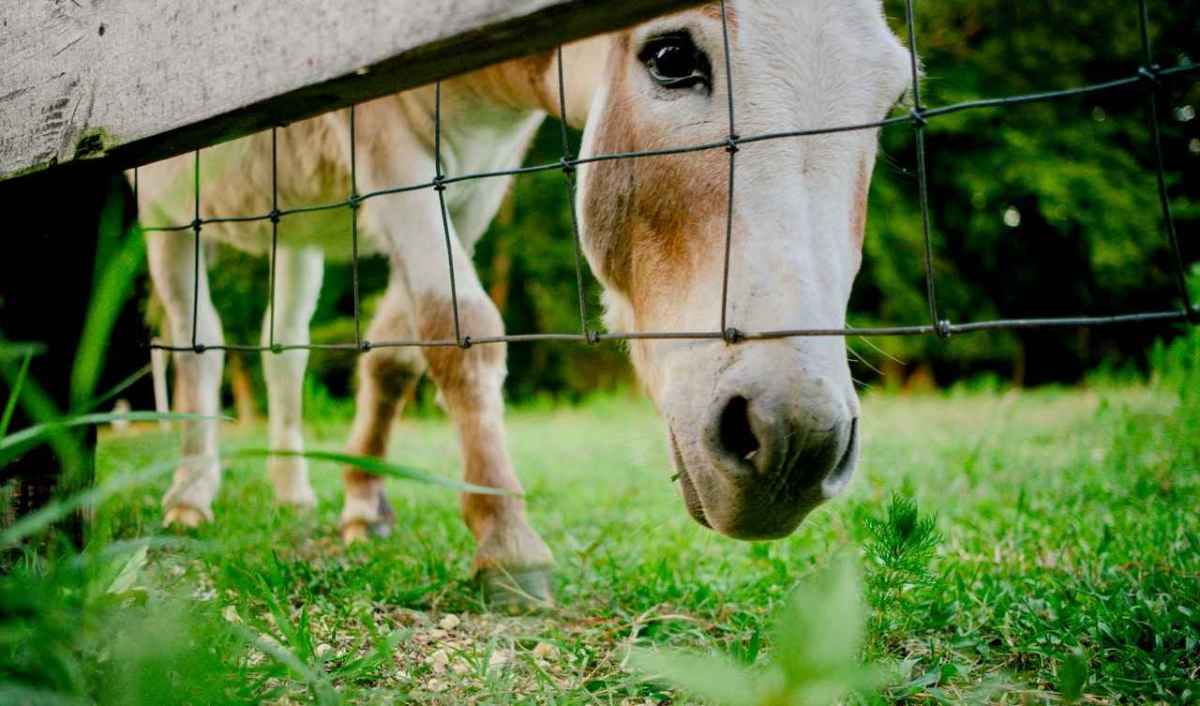
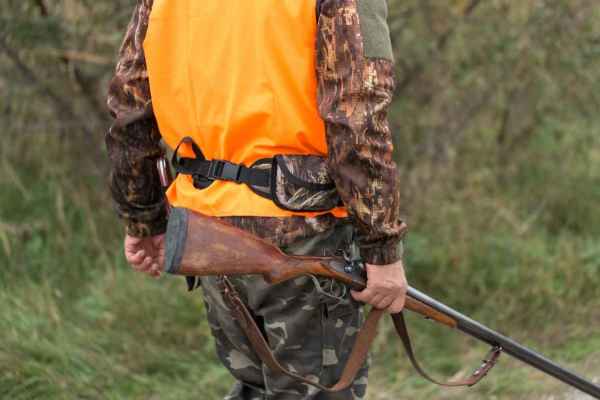
Symbolic image. Photo: Beau Carpenter / Unsplash
“My Country, No Hunting Ground”
In January, wildbeimwild.com reported on a conflict over a private woodland in the Luganese area where donkeys graze. The owners told Ticinonline that recreational hunters were entering the property despite prohibition signs, and that the signs had repeatedly been torn down. According to them, they had contacted the wildlife wardens and the police and were told that entry could not be prevented without fencing. The Office for Hunting and Fisheries stated at the time that it was not aware of any such problems or reports (to the January report).
Nine months later, the underlying question is occupying the Ticino parliament. Grand Council members Tamara Merlo and Maura Mossi Nembrini (Più Donne) submitted an interrogazione to the Council of State on 19 October 2026, as Ticinonline reports. Following the January report, the owner from the Luganese area had told wildbeimwild.com that she intended to bring the matter before the Grand Council through her political contacts.
What the interrogazione wants to know
The two Grand Council members distinguish between three things that are often conflated in practice: merely crossing a private property, entering it for the purpose of recreational hunting, and using weapons on the property or in its vicinity. That a hunting permit automatically includes a right of access to any private land in any form is by no means self-evident, they argue.
Specifically, they ask the Council of State:
- under what circumstances recreational hunters may open gates or climb over fences in order to hunt on a property;
- what limits apply so that agriculture and animal husbandry are not disturbed;
- whether the rules differ depending on the type of land, that is, forest, pasture, farmland and enclosures with horses, donkeys, cattle, sheep or goats.
The justification given is the safety of the animals. People, dogs or gunshots near enclosures can cause panic, even if no animal is hit. Frightened animals flee, crash into fences, injure themselves or endanger people.
Art. 699 of the Swiss Civil Code: the cantons have room for manoeuvre
Art. 699 para. 2 of the Civil Code allows the cantons to issue more detailed rules on entering other people's land for the purposes of recreational hunting and fishing. The Interrogazione asks for clarity on which limits apply in Ticino, particularly in relation to gates, fences and land used for keeping animals.
Ticino's hunting law obliges recreational hunters to rule out any danger to people and third-party property before every shot. The members of the Grand Council want to know what this safety requirement means in concrete terms for fenced pastures and animal enclosures.
What is still missing: ethical hunting-free status
The Interrogazione is an important first step, but it stops at fences and safety. It does not ask the core question: must a landowner tolerate recreational hunting on their land at all if they reject it on grounds of conscience?
In the cases of «Chassagnou v. France» (1999) and «Herrmann v. Germany» (2012), the European Court of Human Rights protected landowners who reject recreational hunting on ethical grounds. The judgments rest on the protection of property under the First Protocol to the ECHR, which Switzerland has not ratified. That does not settle the matter. What remains open is what protection freedom of conscience affords landowners who object to hunting (Hunting and Human Rights).
In the canton of Bern, Grand Council member Susanne Clauss raised the question in 2026 with the interpellation «Hunting on private land». The cantonal government rejected hunting-free status for private land, relying on the unratified property protocol. It left freedom of conscience aside (How the canton of Bern governs around freedom of conscience in hunting). What a parliamentary motion on hunting-free status can look like is shown by the template text of IG Wild beim Wild (Hunting-free private forest).
Commentary: the Council of State's reply will be the litmus test
In January, the Office for Hunting and Fisheries stated that it was not aware of any such problems or reports. Now the government must explain in writing what recreational hunters may and may not do on land that is not theirs. It will not be able to answer with claims of ignorance.
A torn-down sign is no trivial matter. It shows how naturally some recreational hunters regard other people's land as their own hunting ground. Anyone who keeps donkeys and horses and does not want recreational hunting should not first have to build a fence and go through a building permit procedure. The Interrogazione opens the door; the next step must be ethical pacification.
More on the subject of recreational hunting: In our dossiers on the criticism of recreational hunting gather fact-checks, analyses and background reports. The scientific evidence is presented in the overview Studies on the Effects of Recreational Hunting.
The position of IG Wild beim Wild: IG Wild beim Wild rejects recreational hunting. Our model is the canton of Geneva, which has managed without recreational hunting since 1974: without hunting seasons, without hunting dogs, without driven hunts, without high seats, without the animal cruelty and crime that go hand in hand with hunting season elsewhere. What has worked there for over fifty years disproves every position paper by JagdSchweiz. An association that bases its policy on claims it refutes in its own documents is not a professional organisation, but a factory for misinformation.
Wild animals need a voice
Once a week: research, petitions and background information on recreational hunting. Free of charge and can be unsubscribed from at any time.

All articles are written by IG Wild beim Wild as well as by external co-authors. Research, structuring and editorial processes may be supported by AI-assisted tools.
Support our work
With your donation you help protect animals and give their voice a hearing.
Donate now →