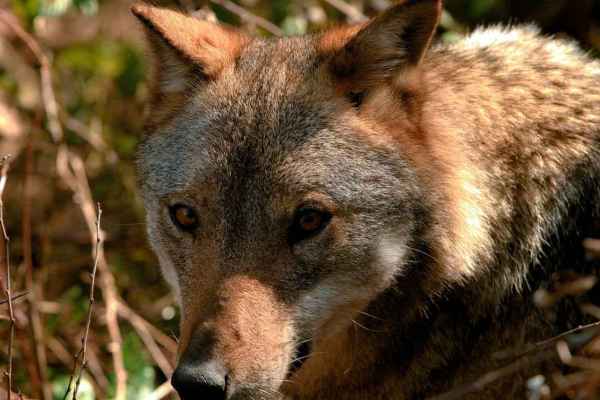
Casentino: Young female wolf poisoned, associations report further wolf cases
The female wolf, about six months old, died at an animal clinic in Arezzo; the Carabinieri Forestali are investigating.
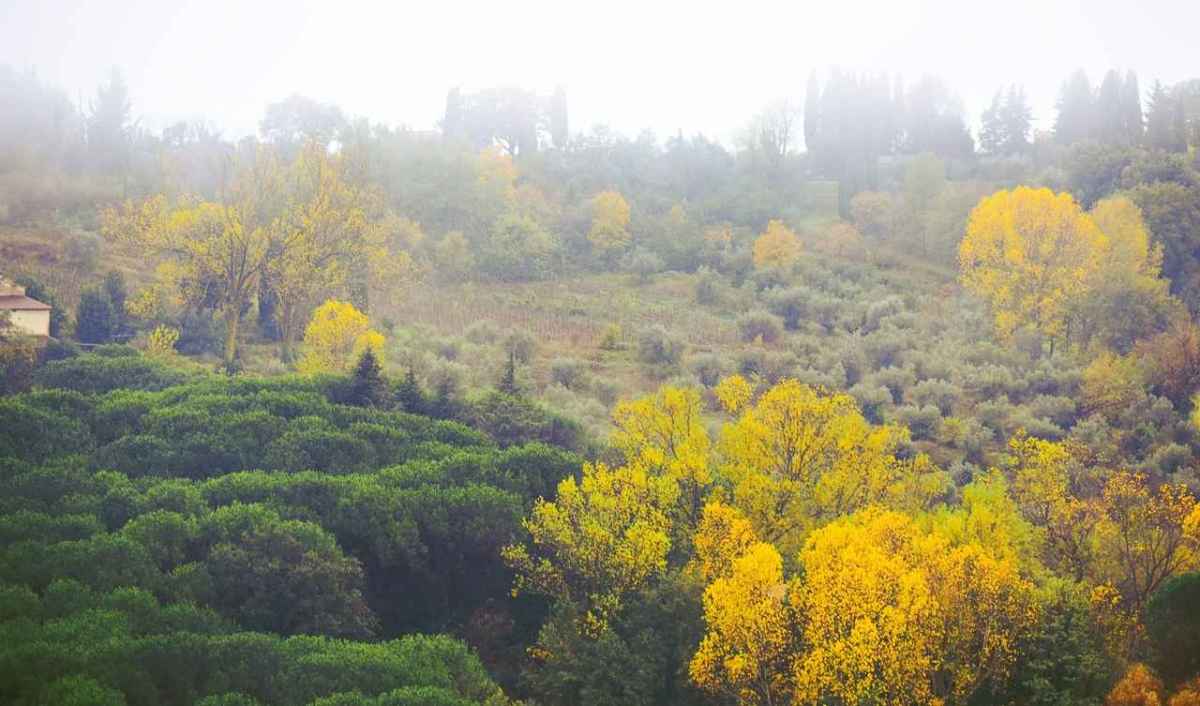
Illustrative image: hills in Tuscany in autumn. Photo: Chris Barbalis / Unsplash
Wolf Song
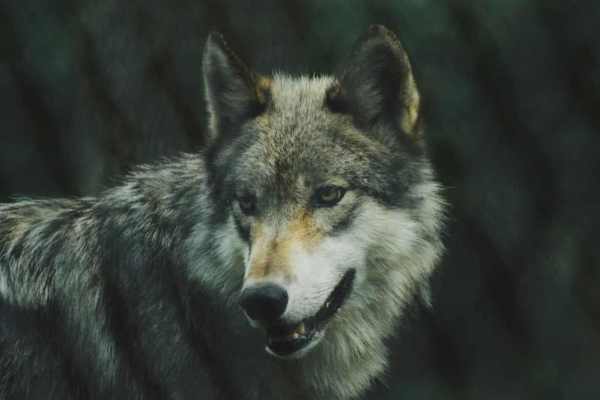
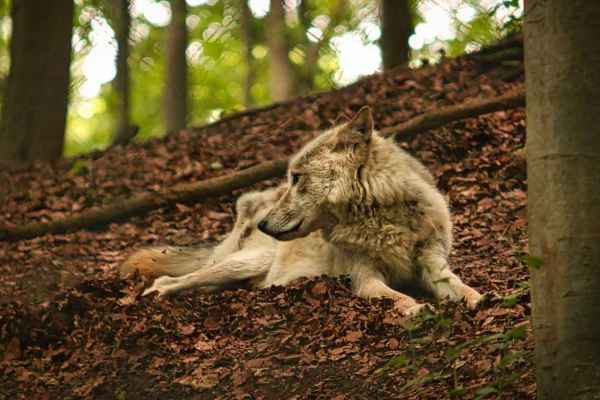
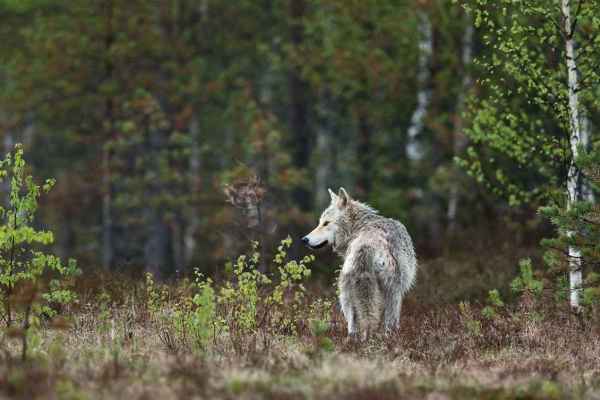
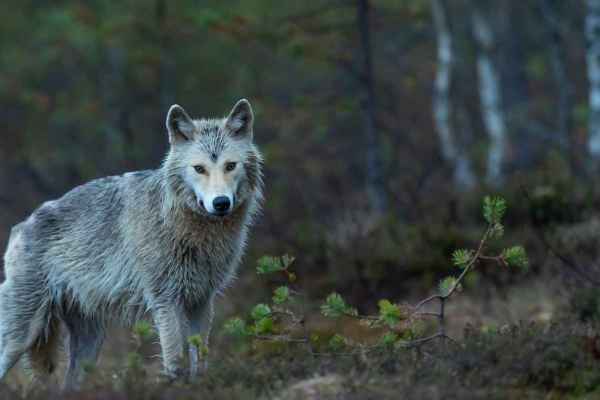
In the Casentino, a wooded valley in the province of Arezzo, a young female wolf has died of poisoning. The non-human animal, about six months old, was found weakened and disoriented on Sunday, 22 November 2026, in San Piero in Frassino, a hamlet of the municipality of Ortignano Raggiolo. On Thursday, 26 November, the wolf died at an animal clinic in Arezzo, as reported by ArezzoTV and ArezzoNotizie report.
Antifreeze suspected
The female wolf had appeared near the village's multipurpose hall. The fire brigade rescued her, and she was then treated by vets in Arezzo. Initially an accident was assumed; only the examination revealed poisoning, which had severely damaged the animal's kidneys. Antifreeze is suspected. The substance has not yet been confirmed: the analysis by the state animal health institute, the Istituto Zooprofilattico, is still pending.
No bait at the site where she was found
The Carabinieri Forestali searched the area for poisoned baits with sniffer dogs but found none (La Nazione). Where the female wolf ingested the poison therefore remains unknown. The investigations are ongoing.
Associations report further wolf cases
ENPA Arezzo, OIPA and WWF Arezzo condemn the act in a joint statement (Arezzo24, La Nazione). According to the associations, it is not the only case in the Casentino. A few days earlier, a wolf that was wandering about disoriented was hit by a vehicle in Poppi. Whether it too had been poisoned is not proven; the associations do not rule it out. According to the associations, a wolf with a gunshot wound to the head was also found a few months ago and later died.
The associations point out that poisoned baits endanger not only wolves but also other protected wild animals, pets and public safety. In Italy, poisoning can constitute several criminal offences at once, including killing and mistreating animals, aggravated by cruelty.
Amid the debate on Italy's hunting reform
The case comes in the weeks when the Chamber of Deputies in Rome is debating the reform of the 1992 hunting act. The draft removes the wolf from the list of especially protected species. The general debate began on 27 November, and a vote is not expected until January (Euronews, L’Unione Sarda; background: Italy: Vote on hunting act unlikely before January). At the same time, several regions are planning their own wolf kills, against which the LAV has protested nationwide (Italy: regions plan wolf kills, LAV calls for protest days).
Poisoning attacks on wolves are not an isolated phenomenon in Italy. In spring 2026, suspicions were confirmed in the Abruzzo, Lazio and Molise National Park that several dead wolves had been poisoned (L’Indipendente). In South Tyrol, a she-wolf that had given birth to pups shortly beforehand was shot (South Tyrol: Shot she-wolf had given birth to pups shortly before).
Comment: Those who lower protection send a signal
Who poisoned the she-wolf is unknown, and whether the poison was laid deliberately remains for the investigation to establish. But one thing is clear: a poisoned bait does not distinguish between wolf, fox, bird of prey and family dog. When parliaments and regions simultaneously discuss dismantling wolf protection and setting kill quotas, some people take the message to be that the wolf is fair game. The state must prosecute such acts consistently, rather than creating, by relaxing protection, the climate in which they flourish.
Do you have a tip, a source or a correction for this article? Write to us.
Seen something yourself?
A driven hunt next to a hiking trail, a shot fired near houses, a trap in the forest or an injured wild animal: report it to the Recreational Hunter Radar. We check every tip-off and treat your details confidentially.
More on the subject of recreational hunting: In our dossiers on recreational hunting gather fact-checks, analyses and background reports. What the research says about this is shown by Hunting fact-checked: the state of research.
The position of IG Wild beim Wild: IG Wild beim Wild rejects recreational hunting. Our model is the canton of Geneva, which has managed without recreational hunting since 1974: without hunting seasons, without hunting dogs, without driven hunts, without high seats, without the animal cruelty and crime that go hand in hand with hunting season elsewhere. What has worked there for over fifty years disproves every position paper by JagdSchweiz. An association that bases its policy on claims it refutes in its own documents is not a professional organisation, but a factory for misinformation.
Wild animals need a voice
Investigations, petitions and background on recreational hunting. As a thank-you, you will immediately receive our free guide «Recreational hunting on your doorstep: what you can do».
Support our work
With your donation you help protect animals and give their voice a hearing.
Donate now →