Netherlands: provinces to be allowed to shoot wolves even without problem behaviour
A new expert opinion considers the 14 Dutch packs sufficient. The Wageningen study had put the Netherlands' contribution at 23 to 56 packs.
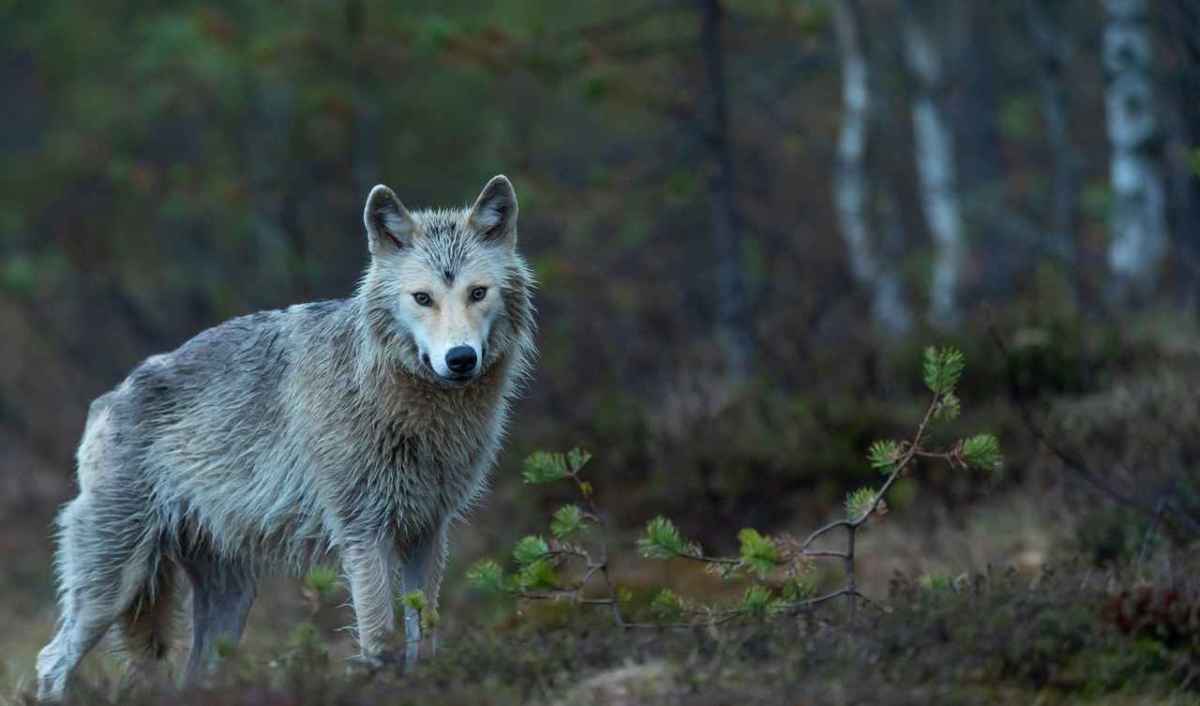
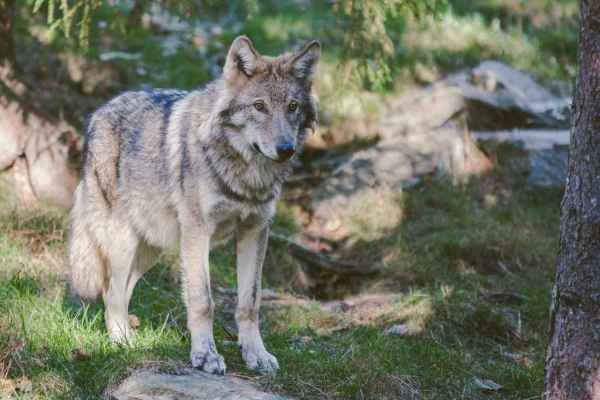
Symbolic image. Photo: Vincent van Zalinge / Unsplash
In the Pack
The Netherlands wants to have wolves shot in future even if they have never caused problems. State Secretary Silvio Erkens (VVD, Agriculture and Nature) informed the Tweede Kamer on 23 November 2026 that the provinces may “manage” the wolf population as they already do with other species, that is, including by killing animals. They are also to be able to designate “wolf-free zones”, as NL Times and the Nederlands Dagblad report.
What Erkens has decided
Until now, the provinces were only allowed to have so-called problem wolves killed. Erkens relaxed the rules for this by decree in July 2026, before parliament had been able to debate the matter (Rijksoverheid, NL Times). In future, killing is no longer to be tied to specific behaviour. Erkens wants to release wolves without behavioural problems for killing as well, provided the provinces submit management plans that secure a healthy population. This does not mean shooting is automatically allowed everywhere, Erkens stresses. He wants to “take the lead”, otherwise “we will be back at square one in two years” (Reformatorisch Dagblad).
The timetable is tight. “My aim is to complete these steps before the summer, so that the killing can begin before the pup season”, Erkens said, according to NL Times. Who is allowed to shoot is for the provinces to decide, as Erkens explained to the trade magazine Het Schaap. The wolf would thus fall under regular wildlife management.
The government cites fewer incidents involving wolves as its goal, such as attacks on livestock and dogs, but also cases in which people were affected (RTV Drenthe). “I want people in wolf areas to feel safe again,” said Erkens. The experts also recommend monitoring wolves with GPS transmitters and intervening swiftly in the case of problem wolves (Reformatorisch Dagblad).
A new report replaces the old one
The basis is a report by the Italian wolf researcher Marco Apollonio. He concludes that the wolf population is “genetically healthy” and that the Netherlands meets the “minimum criteria for a favourable conservation status”. To reach this conclusion, he does not look at the 14 Dutch packs alone, but at the entire Central European population of over 500 packs, Germany included. There is room for more wolves, he says, but it is not necessary for the survival of the species (Reformatorisch Dagblad).
Wageningen University had reached the opposite conclusion in September 2025. According to its ecological and legal framework, the Netherlands must contribute 23 to 56 packs to the population, and at least 50 packs are needed for a long-term healthy population without inbreeding. At the time, 13 packs lived in the country. The report does not address what these figures mean economically and socially. Erkens says Wageningen looked “purely at the ecology”, whereas Apollonio also takes into account the availability of prey as well as incidents involving livestock and people (RTV Drenthe).
The new report was commissioned at the urging of Erkens‘ predecessor Jean Rummenie (BBB). He had described the Wageningen findings as “unusable” because they did not permit kills to protect livestock, as NL Times notes.
Europe in kill mode
The Netherlands is not alone. Since the protection status of the wolf in Europe was lowered, governments have been opening the way for kills in quick succession: Brandenburg is releasing up to ten wolves in the current hunting year, while in Hesse, according to the federal government, up to four young wolves may be killed. Italy’s regions are planning kills, in Austria the WWF counted at least 88 wolf kill orders. How many wolves Switzerland kills is shown by the «Wolf kills Switzerland 2026/27» counter.
Commentary: Making the numbers work with the neighbours’ wolves
An expert opinion that doesn't fit is replaced by one that does. That sums up the Dutch decision. Wageningen, too, saw the Dutch wolves as part of a larger population, but derived from this a Dutch contribution of 23 to 56 packs, and at least 50 for a long-term healthy population. Apollonio considers today's 14 packs sufficient because central Europe has more than 500. In doing so, the government shifts responsibility for preserving the species across the border, of all places to Germany, whose federal states are themselves currently adopting kill plans. When every state points to its neighbour's wolves, the shared population is shrunk from all sides at once.
The step is justified on grounds of safety. Yet wolves that come dangerously close to people could already be killed by the provinces. A European study counted, between 2012 and 2022, 21 cases of “brazen” wolves habituated to humans. Now the permission applies precisely to those wolves that have done nothing. That is not a safety instrument but population reduction. Anyone who wants to protect sheep needs fences, livestock guardian dogs and funding for keepers, not a commissioned expert opinion and a date before the pup season.
Do you have a tip, a source or a correction for this article? Write to us.
Seen something yourself?
A driven hunt next to a hiking trail, a shot fired near houses, a trap in the forest or an injured wild animal: report it to the Recreational Hunter Radar. We check every tip-off and treat your details confidentially.
More on the subject of recreational hunting: What the research says about this is shown by Hunting fact-checked: the state of research.
The position of IG Wild beim Wild: IG Wild beim Wild rejects recreational hunting. Our model is the canton of Geneva, which has managed without recreational hunting since 1974: without hunting seasons, without hunting dogs, without driven hunts, without high seats, without the animal cruelty and crime that go hand in hand with hunting season elsewhere. What has worked there for over fifty years disproves every position paper by JagdSchweiz. An association that bases its policy on claims it refutes in its own documents is not a professional organisation, but a factory for misinformation.
Wild animals need a voice
Investigations, petitions and background on recreational hunting. As a thank-you, you will immediately receive our free guide «Recreational hunting on your doorstep: what you can do».
Support our work
With your donation you help protect animals and give their voice a hearing.
Donate now →