Italy: regions plan wolf kills, LAV calls for protest days
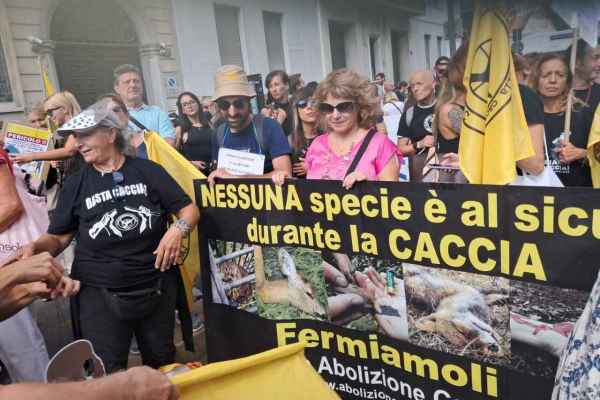
The Aosta Valley already has a control plan, while Tuscany is training recreational hunters for wolf interventions. This weekend LAV is collecting signatures against this across Italy.
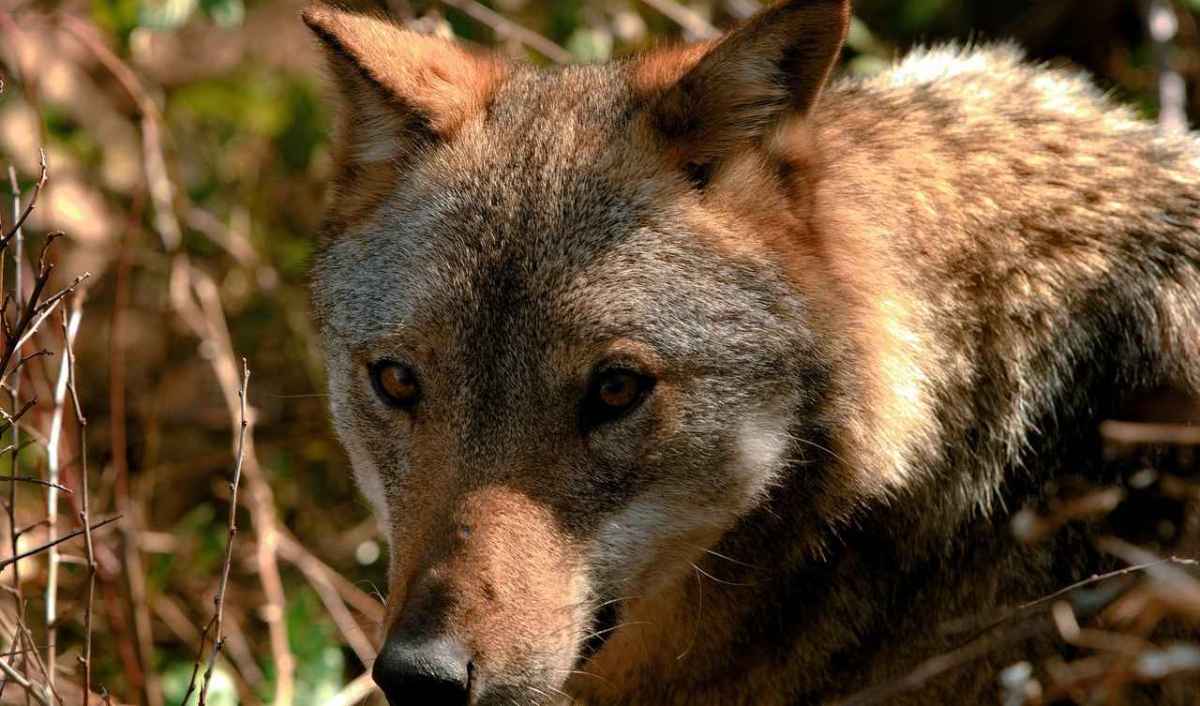
Stock image. Photo: Paolo Silvestri / Unsplash
In the Pack
Since Italy lowered the wolf's protection status, the regions can introduce management plans that also include kills. The animal rights organisation LAV is therefore calling for protest stands and a signature collection across Italy on Saturday and Sunday, 21 and 22 November 2026. It is urging the regional governments to forgo lethal interventions and to invest in prevention instead.
What the ISPRA ceiling means
With the wolf's move to Annex V of the Habitats Directive, the Italian regions can draw up management plans that include kills. The national environmental institute ISPRA has proposed an annual ceiling for 'removals' of 3 to 5 per cent of the estimated total population. The institute calculated the allocation to regions and autonomous provinces on the basis of their share of the wolf's identified range. The regional thresholds set out there refer to 2025. 'Removal' covers not only killing but also the permanent housing of a wolf in an enclosure.
The basis is a population estimate of around 3,501 wolves from the nationwide survey of 2020/2021, with a range of 2,949 to 3,945 animals. Arithmetically, 3 to 5 per cent of that corresponds to roughly 105 to 175 animals. This does not, however, amount to an automatic kill authorisation for that number: every intervention requires a permit, and ISPRA demands that a favourable conservation status be safeguarded. How such requirements work in practice for pups and mothers is shown by the case in South Tyrol, where a shot she-wolf had given birth to pups shortly beforehand.
Aosta Valley and Tuscany are already further ahead
In mid-September 2026, the Aosta Valley, which borders Valais, approved a regional wolf control plan that provides for kills in line with the ISPRA guidelines. In the same region, a four-year-old female wolf was found dead in Brusson on 7 November. Examinations revealed a gunshot to the muzzle. The case is being investigated as suspected poaching and has nothing to do with the official control plan.
Tuscany is training so-called «Operatori Grandi Carnivori». Their tasks include monitoring, on-site assessments, non-lethal deterrence and officially authorised removals of problem wolves following an opinion from ISPRA. According to the specialist portal «Armi e Tiro», the courses last at least 18 hours for a maximum of 25 participants. Priority is given to livestock keepers and recreational hunters authorised to carry out selective culling of ungulates. The animal welfare organisation LNDC criticises the fact that the call for applications lists the hunting firearms licence as the first requirement. Also the WWF Italy complains that this excludes experts without a firearms licence.
In Piedmont, a first draft of a regional wolf plan is due by the end of January 2027.
What LAV is demanding this weekend
At the stands of the «Viva il lupo» campaign, LAV is collecting signatures for a petition to the regional presidents. They are urged to refrain from activating management plans involving kills and to invest in prevention instead. In Sardinia and Sicily, where no wolves live, a separate petition addressed to the government in Rome calls on it to restore the wolf's highest protection status. LAV publishes the locations of the stands on the campaign page.
In LAV's view, non-lethal protection measures can greatly reduce or entirely prevent attacks on livestock, and responsibility for protecting the animals lies with the keepers. The organisation also warns that some farmers and regions are already demanding a higher kill quota.
Comment: A quota is not herd protection
A percentage quota does not protect a single farm animal. It answers neither what the specific conflict situation is nor which non-lethal measures have already been implemented. Even ISPRA calls for a graduated, proportionate approach and for each case to be examined individually. An arithmetical ceiling does not replace that examination, yet it quickly becomes a target figure as soon as farmers and regions want to use it up. Anyone who ties training for wolf interventions to the hunting licence turns a protective task into a field of activity for recreational hunters. Switzerland shows where this leads: the federal government sometimes already approves kills within packs, before pups have even been confirmed, and even an Italian newspaper doubts the effectiveness of this model. According to Greenpeace Italy, the Chamber of Deputies will also vote on 27 November on the “Sparatutto” law which would extend recreational hunting further. Anyone who wants to protect the wolf in Italy should look very closely over these two weeks.
Seen something yourself?
A driven hunt next to a hiking trail, a shot fired near houses, a trap in the forest or an injured wild animal: report it to the Recreational Hunter Radar. We check every tip-off and treat your details confidentially.
More on the subject of recreational hunting: In our dossiers on recreational hunting gather fact-checks, analyses and background reports. What the research says about this is shown by Hunting fact-checked: the state of research.
The position of IG Wild beim Wild: IG Wild beim Wild rejects recreational hunting. Our model is the canton of Geneva, which has managed without recreational hunting since 1974: without hunting seasons, without hunting dogs, without driven hunts, without high seats, without the animal cruelty and crime that go hand in hand with hunting season elsewhere. What has worked there for over fifty years disproves every position paper by JagdSchweiz. An association that bases its policy on claims it refutes in its own documents is not a professional organisation, but a factory for misinformation.
Wild animals need a voice
Once a week: investigations, petitions and background on recreational hunting. As a thank-you, you will immediately receive our free guide “Recreational hunting on your doorstep: what you can do”. Free of charge and you can unsubscribe at any time.
Support our work
With your donation you help protect animals and give their voice a hearing.
Donate now →