Low-ground hunt 2026: What Grisons, Ticino and Valais are releasing for the kill
Hares, ptarmigan, black grouse cocks, foxes and badgers: the high hunt is followed by the low-ground hunt, with extensions running until the end of February. The Grisons game office does not justify it on grounds of necessity.
«In the old den»
The high hunt is over in Grisons, Ticino and Valais. For wild animals, this does not mark the start of a resting period, but the next phase.
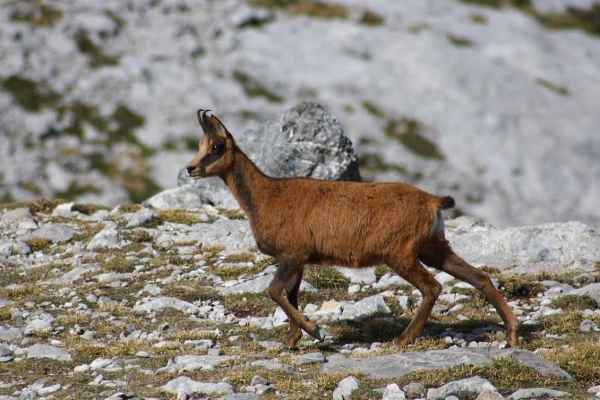
Red deer, chamois and roe deer are followed by hares, grouse species, foxes, badgers and martens. Wild beim Wild has reviewed the official regulations of the three cantons for 2026: dates, quotas and the authorities' justifications.
The dates in the three cantons
- Grisons: Low-ground hunt from 1 October to 30 November 2026. Black grouse cocks and ptarmigan are released from 16 October, hares until 20 November. The wait hunting season for foxes, badgers and martens runs from 1 November 2026 to 28 February 2027 (badgers until 15 January, martens until 15 February), each day from 5.00 pm to 6.30 am, with a break from 24 to 26 December.
- Ticino: Caccia bassa from 16 October to 30 November 2026, on five days per week. The waterfowl hunt follows from 15 December to 31 January.
- Valais: Low-ground hunt (Patent B) from 6 October to 28 November 2026, black grouse cock and ptarmigan from 16 October, woodcock from 20 October. The waterfowl hunt runs until 30 January 2027, and the «small predator hunt» (Patent E) for fox, badger and marten from 16 November 2026 to 27 February 2027 (badgers until 15 January, martens until 15 February).
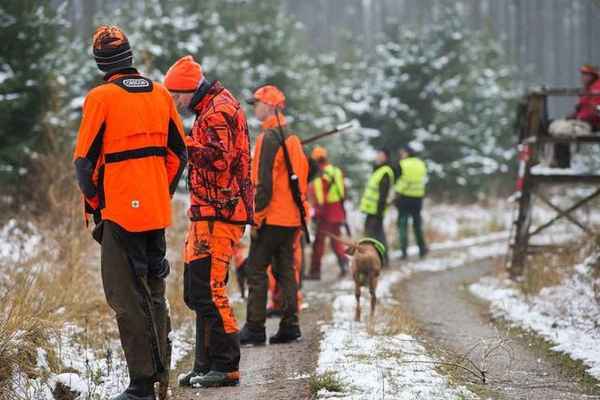
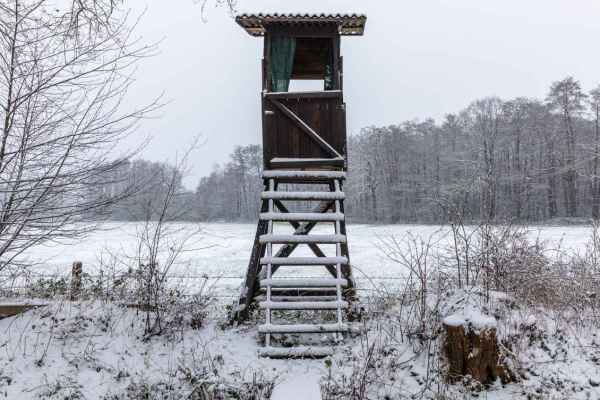
If you include the high hunt, shooting takes place in the three cantons from the beginning of September to the end of February. The Grisons wait hunting takes place at night and, according to Article 97 of the Hunting Operating Regulations, may only be carried out from houses, barns or other permanent buildings; according to Article 96, meat and fish scraps are laid out at the bait sites. What this can mean for pets is shown in the article Flims, Klosters, Sedrun: Three dogs that recreational hunters in Grisons mistook for foxes. How this form of hunting works is explained What is wait hunting?
What a single recreational hunter is permitted to kill
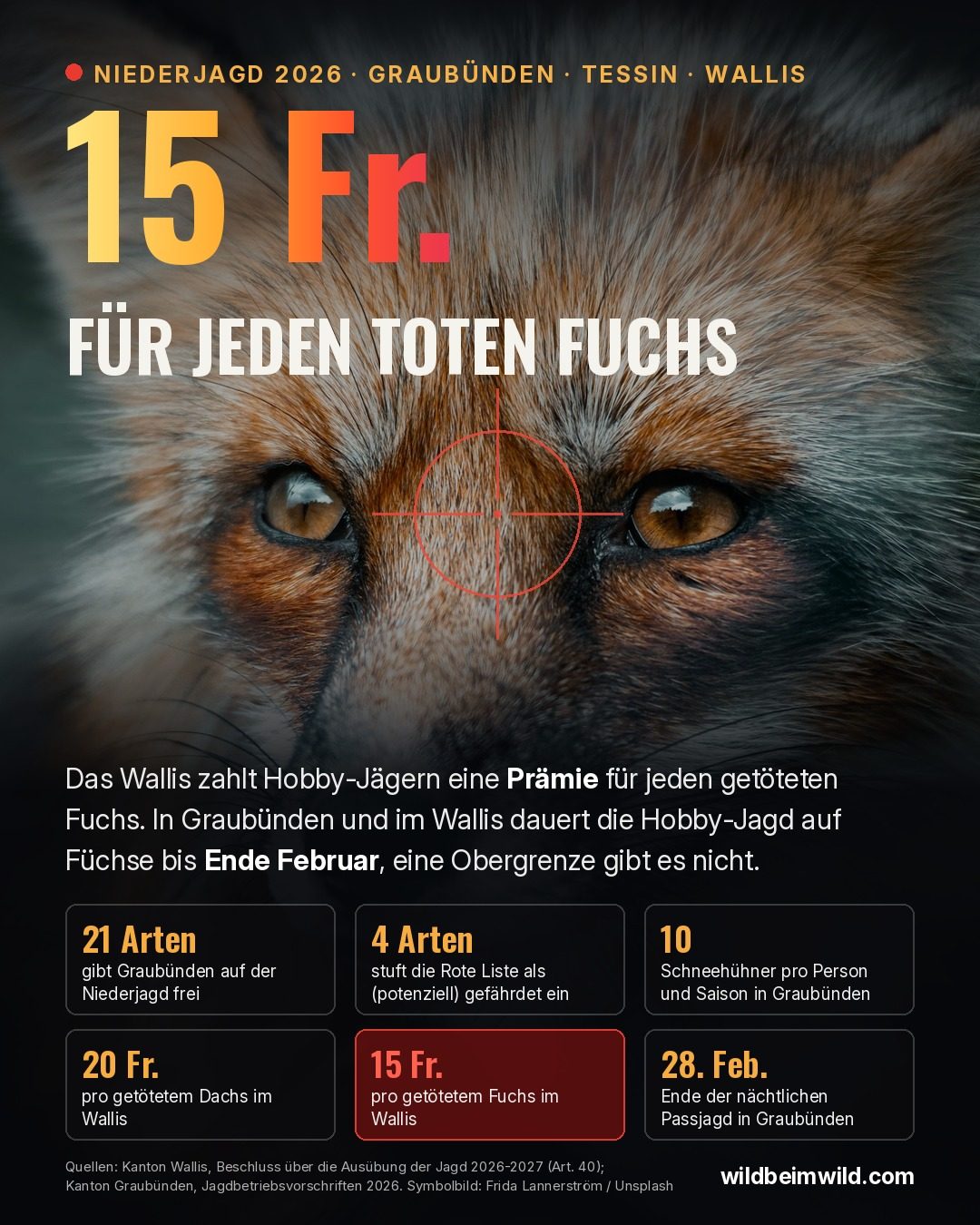
Grisons permits 21 species for hunting during the low hunt (Article 83 of the Hunting Operating Regulations), ranging from field hares and snow hares to foxes, badgers and martens, as well as jays, ravens and mallards. Each person is allowed a total of eight hares (no more than two per day), one black grouse cock and ten ptarmigan (no more than two per day), plus up to four jays per day. The regulations do not specify an upper limit for foxes, badgers and martens.
In Valais, it is four field hares, two snow hares, six black grouse cocks, six ptarmigan and 15 woodcocks per person. In Ticino, two hares (one field hare and one snow hare), one black grouse cock and 15 woodcocks; all other huntable species are not subject to any quantity restriction.
These are maximum numbers per person, not kill quotas. The Grisons Hunting Operating Regulations contain a kill quota for red deer and ibex, but not for small game.
Grisons: Potentially endangered species, justified by use
The Grisons Office for Hunting and Fishing itself states in its Q&A document on hunting planning (as of June 2026) that species hunted during the low hunt are classified by the Red List as potentially endangered (black grouse, ptarmigan, snow hare) or vulnerable (field hare).
The justification given is not regulation. The office speaks of sustainable use, of data for research, and of the fact that licence fees finance the monitoring. It states verbatim: «For people only protect what they know.» For the black grouse, the office puts the bag at around 80 to 100 cocks per year, just under one percent of the estimated population.
Two things follow from this. First, the office does not even claim a regulatory effect: on the contrary, it states as a condition for the hunting of small game that the intervention must not negatively affect the population. Second, according to the same document, there are no separate counts for fox, badger and marten; they are counted together with the hare and red deer surveys. The regulations set no upper limit for these species, and neither they nor the office's document name a population target. How many animals of endangered species die across Switzerland in this way is documented in the article Hunting statistics: massacre of endangered species.
Valais: 15 francs per fox killed
The Valais Council of State's decree on the exercise of hunting for 2026-2027 goes a step further. Under Article 40, the Hunting, Fishing and Wildlife Service transfers 15 francs for each fox killed and 20 francs for each badger, plus any applicable carcass disposal fees. The two front paws must be handed in as proof. Earth hunting with dogs is also permitted under licence E.
The canton of Zug abolished such bounties in June 2026. Shortly before that, a study commissioned by the canton from the SWILD office had concluded that recreational fox hunting neither sustainably reduces populations nor contains wildlife diseases. The details can be found in the articles Canton of Zug stops promoting fox hunting and Zug recreational hunters challenge follow-up search obligation and abolition of fox bounties before Federal Supreme Court. Valais continues to pay for something Zug no longer sees any professional justification for.
Not necessary, says even the recreational hunting community itself
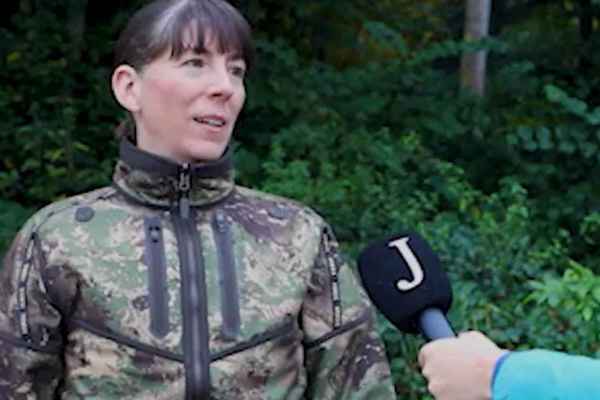
That it is not about necessity has been stated by the recreational hunting community itself. Robert Brunold, then president of the Grisons Cantonal Licence Hunters' Association, told SRF in October 2015, in a report on bird hunting, that hunting small game was not necessary, but justified. One could equally ask whether it made sense to pick berries and mushrooms in the forest. When it came to ptarmigan, most people were interested in having a stuffed specimen at home.
In the same report, Heinrich Haller, then director of the Swiss National Park, stated: “From a purely pragmatic point of view, hunting small game is not necessary.” The park has been free of hunting since 1914. What the berry comparison reveals about the self-image of licence hunting is examined in the article 4,616 red deer: what the Grisons hunting plan reveals – and what it does not prove.
The Ecological Hunting Association of Switzerland (Ökologischer Jagdverein Schweiz) also does not support JagdSchweiz's fox-hunting line, as Rift in the hunters' camp shows. The research on self-regulation is covered in the Self-regulation dossier, in the dossier «The fox in Switzerland» and in the article Small game hunting and wildlife diseases.
Commentary: Picking berries with a shotgun
A ptarmigan is not a blueberry. Anyone who equates killing sentient non-human animals with gathering berries and mushrooms is openly saying what small-game hunting is really about: a leisure pastime. What is remarkable is not so much that an association president thinks this way, but that three cantons have enshrined this attitude in their regulations. They open up potentially endangered species for hunting and set no upper limit for foxes. Grisons does not even count foxes, badgers and martens separately, and Valais even pays a bounty on top.
What is hit here is not «populations» but individuals and family groups. The fox shot at the bait site in winter is then missing in spring as a mouse hunter and possibly as a parent animal. Foxes and martens are themselves regulators, for example of mouse populations. Anyone who kills them as a pastime weakens precisely the natural regulation that recreational hunting otherwise invokes.
Federal law does not force the cantons to do any of this. Article 5 paragraph 4 of the federal Hunting Act allows them to extend closed seasons and restrict the list of huntable species, and obliges them to do so when the protection of locally threatened species requires it. The canton of Zurich has removed the Eurasian jay, magpie and collared dove, as shown by the article How an individual initiative restricted bird hunting in Zurich. Grisons, Ticino and Valais could remove the ptarmigan, mountain hare, black grouse, European hare and fox from the list of huntable species. Federal law explicitly grants them this authority. What is lacking is not the legal basis, but the will.
Wild beim Wild continues to document incidents from small-game and wait hunting in the tickers on Grisons, Ticino and Valais. Anyone who wants to get active can find template letters on the campaign page End fox hunting.
Sources: Canton of Grisons, Hunting Operating Regulations 2026 (Art. 27, 82 to 97) and question-and-answer document on hunting planning and hunting operations, as of June 2026; Canton of Ticino, Regolamento sulla caccia, Tavola sinottica 2026; Canton of Valais, Decision on the exercise of hunting in Valais 2026-2027 (Art. 10, 22, 23, 25, 40 and Appendix 1); Federal Act on Hunting and the Protection of Wild Mammals and Birds (JSG), Art. 5 para. 4; SRF, Regionaljournal Graubünden, «Über Sinn und Unsinn der Vogeljagd», 6 October 2015.
More on the subject of recreational hunting: In the dossier The Role and Criticism of Recreational Hunters we shed light on the training, power and self-image of recreational hunters. The scientific evidence is presented in the overview Studies on the Effects of Recreational Hunting.
The position of IG Wild beim Wild: IG Wild beim Wild rejects recreational hunting. Our model is the canton of Geneva, which has managed without recreational hunting since 1974: without hunting seasons, without hunting dogs, without driven hunts, without high seats, without the animal cruelty and crime that go hand in hand with hunting season elsewhere. What has worked there for over fifty years disproves every position paper by JagdSchweiz. An association that bases its policy on claims it refutes in its own documents is not a professional organisation, but a factory for misinformation.

All articles are written by IG Wild beim Wild as well as by external co-authors. Research, structuring and editorial processes may be supported by AI-assisted tools.
Support our work
With your donation you help protect animals and give their voice a hearing.
Donate now →