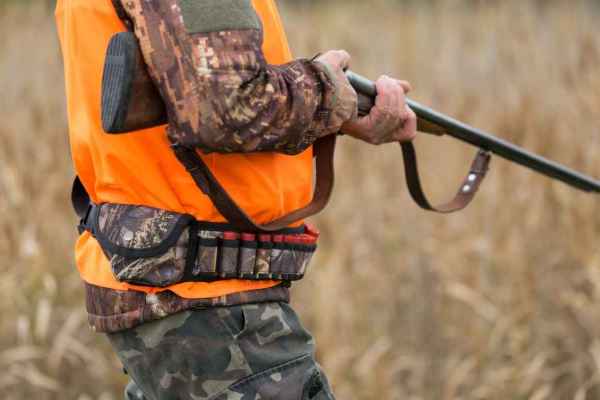
Flims, Klosters, Sedrun: Three dogs that recreational hunters in Grisons mistook for foxes
RTR has compiled five cases in which recreational hunters in Grisons shot dead pets. The three dogs have one thing in common: night, fox hunting, and a target the shooter did not clearly identify before firing.
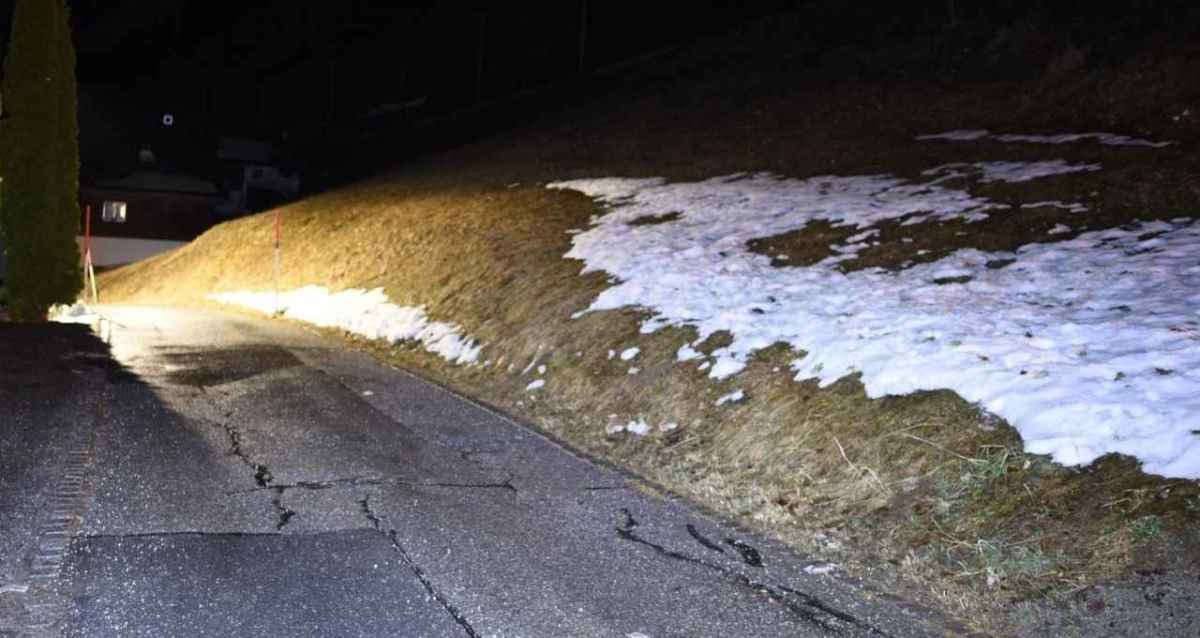
The residential street in Sedrun where, after 11 p.m. on 10 February 2024, a leashed dog was shot dead. Photo: Grisons Cantonal Police
«The Stolen Night»
The horse from Avers Cröt, which a recreational hunter mistook for a red deer on 6 September 2026, made headlines across all media.
What is less well known is that this was not the first case of its kind in Grisons. Of all outlets, it was RTR — the broadcaster that otherwise portrays hunting in Grisons as a popular festival — that compiled five cases on 8 September 2026 in which recreational hunters in Grisons shot dead pets: two horses and three dogs. RTR itself points out that these are only the cases the editorial team found in cantonal police reports; whether there were others is not known. The two horses died during the day, during the high hunt, mistaken for red deer or roe deer. The three dogs died in the dark, in connection with fox hunting: in 2006 in Flims, in 2017 in Klosters, in 2024 in Sedrun. In Klosters and Sedrun, it is documented that the shooters believed they had a fox in front of them.
Flims, November 2006: Shot fired at a marked blood-tracking dog
On a Friday evening, a game warden is out in the Bodmergut area of Flims with his blood-tracking dog to search for a roe deer that had been hit by a car. The dog, a four-year-old male German Longhaired Pointer with an international breeding value, wears a broad, yellow, reflective collar. Suddenly a shot rings out. The dog does not come back.
The game warden and two colleagues find him dead, killed by a shotgun blast. There is initially no trace of the shooter. The cantonal police deploy a service dog, which shortly before midnight tracks the trail to a locked hunting cabin. Inside, according to RTR, police and wildlife wardens find a shotgun, ammunition and a telescopic sight, hidden. The recreational hunter from Grisons is identified and confesses. RTR also reports that he had illegally set a trap. The dog had an estimated value of around CHF 15,000; the shooter had to answer for his actions in court and bear the financial consequences.
The shot hit an animal wearing a reflective collar that belonged to a game warden. The shooter then left the scene and hid his equipment. The documented details speak for themselves.
Klosters, November 2017: 80 years old, 9 p.m., wait hunting
On a November evening, an 80-year-old recreational hunter sits in the Schlappin area near Klosters engaged in wait hunting, the nocturnal hunt for fox. At 9 p.m., a dog running loose appears in the meadow he is watching. The man assumes it is a fox, fires, and hits it fatally. Only when he approaches the animal does he notice his mistake.
Sedrun, February 2024: From the house onto the residential street
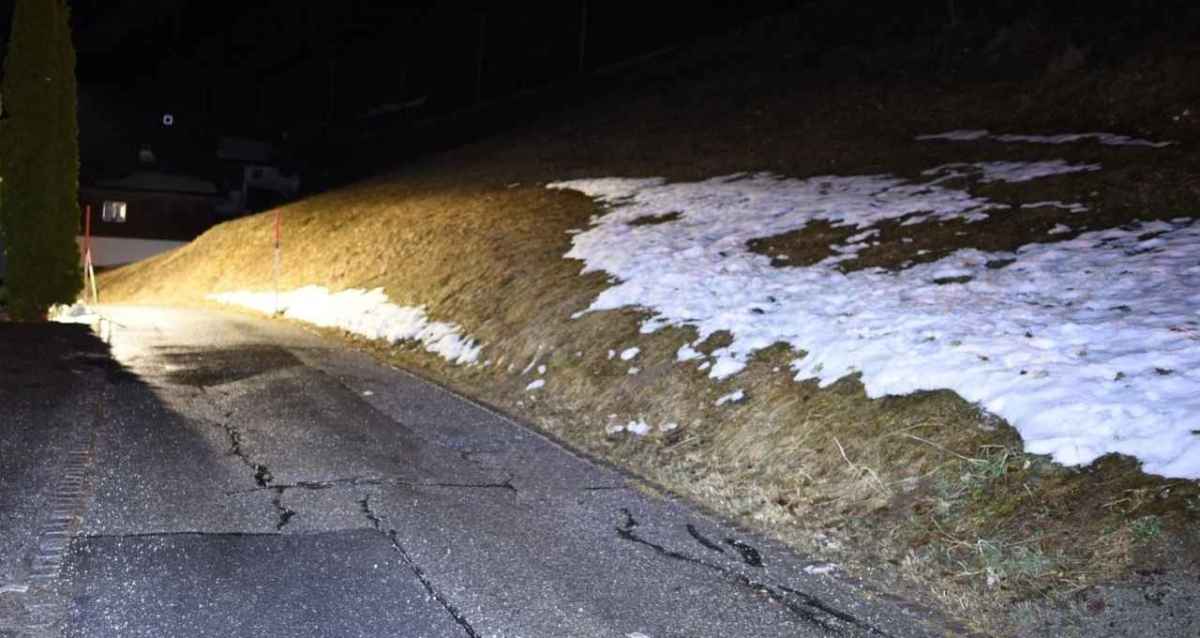
On a Saturday evening after 11 p.m., a woman is out walking her ten-month-old Weimaraner bitch on a residential street in Sedrun. The dog is walking on a leash in front of her along the edge of a meadow. A shot rings out, and the animal collapses. That same night, the cantonal police find a 79-year-old local resident with a hunting licence who admits to firing the shot. He told «Blick» that he had seen a fox in front of his house several times on previous evenings and mistook the dog for that fox because of the way it moved. His lawyer confirmed to «20 Minuten» that the man is “currently not very mobile on foot” and had therefore probably fired from the house. Local residents said the man's hunting activities had long been known as problematic among dog owners in the village.
IG Wild beim Wild documented the case at the time and filed a criminal complaint against the Office for Hunting and Fishing, because it had permitted wait hunting in a residential area: Grisons: Dangerous consequences of pointless recreational hunting and Criminal complaint filed against Grisons hunting office.
The template
Three dogs, three cases, one pattern. All three died in the dark in connection with fox hunting, in two cases shot by hunters aged 79 and 80, in one case in a residential neighbourhood, fired from the shooter's own house. In Klosters and Sedrun, the shooters mistook the dog for a fox. In Flims, a clearly marked blood-tracking dog was shot dead. In none of the three cases was the target reliably identified as huntable game before the shot was fired. Correctly identifying the animal before shooting is the most basic rule of any hunt. From the perspective of IG Wild beim Wild, the three cases raise the question of whether nighttime wait hunting on small, moving animals makes it possible to observe this rule at all.
Added to this is the scale of this hunt: cantonal hunting regulations permit fox hunting during several hunting periods, including nighttime wait hunting in winter. The statistics of the Office for Hunting and Fishing record a total of 2,131 foxes killed in the 2024 hunting year, across all hunting methods. From a wildlife biology standpoint, this achieves nothing: the 2026 study by the SWILD office, commissioned by the canton of Zug, concluded that licence hunting of foxes neither sustainably reduces populations nor curbs wildlife diseases, which prompted Zug to abolish the fox bounty (Canton of Zug stops promoting fox hunting). The former president of the Grisons Licence Hunters' Association, Robert Brunold, himself described the small-game hunt as «not necessary, but justified».
Not necessary. But three dead dogs, two dead horses — and these are only the cases that made it into a police report. There can be no talk of isolated incidents. In its annual reports, the Grisons Office for Hunting and Fishing recorded the number of fines and reports per hunting year for nine years running, and it exceeded a thousand every single year: 1,089 (2012), 1,122 (2013), 1,102 (2014), 1,298 (2015), 1,201 (2016), 1,384 (2017), 1,114 (2018), 1,104 (2019), 1,241 (2020). Where the office broke down the categories, the largest share consisted of mistaken kills: 1,013 out of 1,201 in 2016, 1,146 out of 1,384 in 2017, with around 5,500 participants in the high hunt each year. How many individual licence holders are behind these figures cannot be derived from the totals; the office does not publish statistics on offenders. What is certain is only this: there are more than a thousand violations per hunting year.
Since 2021, this figure has no longer been quantified. The 2021 and 2022 annual reports merely state that the number of fines and reports had moved “within the usual range”. In the annual reports for 2023, 2024 and 2025, as well as in the hunting operations evaluations for 2024 and 2025, which we reviewed on 26 September 2026, there is no longer any information on fines, reports or wrongful kills. According to the office's own figures, the “usual range” is a range of over a thousand violations per year. The fact that it is no longer quantified does not change the fact that it still applies. The dogs of Flims, Klosters and Sedrun are the tip of a statistic that the canton itself kept, until it stopped publishing it (Night hunting in Amden, Avers, Ticino). Anyone who shoots at a fox at night in a residential area could also hit a cat. Or a child out walking with a dog. In Sedrun, the owner was standing just a few metres behind the animal.
What should follow
IG Wild beim Wild has been calling for an end to fox hunting for years (Campaign: End fox hunting). As long as Grisons continues to allow it, it demands at least: a ban on wait hunting in residential areas and in the immediate vicinity of homes; regular health and practical fitness assessments for licence holders, especially at an advanced age; an independent investigation into every shot fired at a pet or farm animal, with licence revocation for gross or repeated breaches of the duty of care; and a return to the public publication of reports, fines, wrongful kills and their consequences. The Sedrun case shows why these demands are not abstract: a 79-year-old man who, according to his lawyer, was “not very steady on his feet”, fired from his house onto a residential street. That this was possible with a valid licence is not the failure of one individual. It is a question of oversight.
We have documented elsewhere how RTR otherwise portrays hunting in Grisons, with a game hotline and a hunting licence prize draw: RTR: SRG broadcaster raffles hunting licence and crowns the “most beautiful” trophy photo. We are following the 2026/27 Grisons hunting season on an ongoing basis in the article Grisons hunt 2026/27: incidents, violations and developments at a glance.
Sources: RTR, «Preda per negligientscha: Dus chavals e trais chauns ch’èn daventads preda», 8 September 2026, https://www.rtr.ch/novitads/grischun/chatscha/preda-per-negligientscha-dus-chavals-e-trais-chauns-ch-en-daventads-preda; Grisons Cantonal Police, press release of 13 February 2024; «20 Minuten», «Blick» and Keystone-SDA of 13 February 2024; Grisons Office for Hunting and Fisheries, hunting annual reports 2013 to 2025 and hunting operations evaluations 2024 and 2025 (https://www.gr.ch/DE/institutionen/verwaltung/diem/ajf/jagd/mpp/Seiten/Publikationen.aspx, accessed on 26 September 2026); SWILD, Fox Hunting in the Canton of Zug, May 2026.
More on the subject of recreational hunting: In the dossier Poaching and hunting crime in Switzerland we document cases, legal questions and recurring patterns. What the research says about this is shown by Hunting fact-checked: the state of research.
The position of IG Wild beim Wild: IG Wild beim Wild rejects recreational hunting. Our model is the canton of Geneva, which has managed without recreational hunting since 1974: without hunting seasons, without hunting dogs, without driven hunts, without high seats, without the animal cruelty and crime that go hand in hand with hunting season elsewhere. What has worked there for over fifty years disproves every position paper by JagdSchweiz. An association that bases its policy on claims it refutes in its own documents is not a professional organisation, but a factory for misinformation.

All articles are written by IG Wild beim Wild as well as by external co-authors. Research, structuring and editorial processes may be supported by AI-assisted tools.
Support our work
With your donation you help protect animals and give their voice a hearing.
Donate now →