
Special exhibition «Wild. Wald. Wir.» in Urnäsch: hunting PR in the museum of local customs
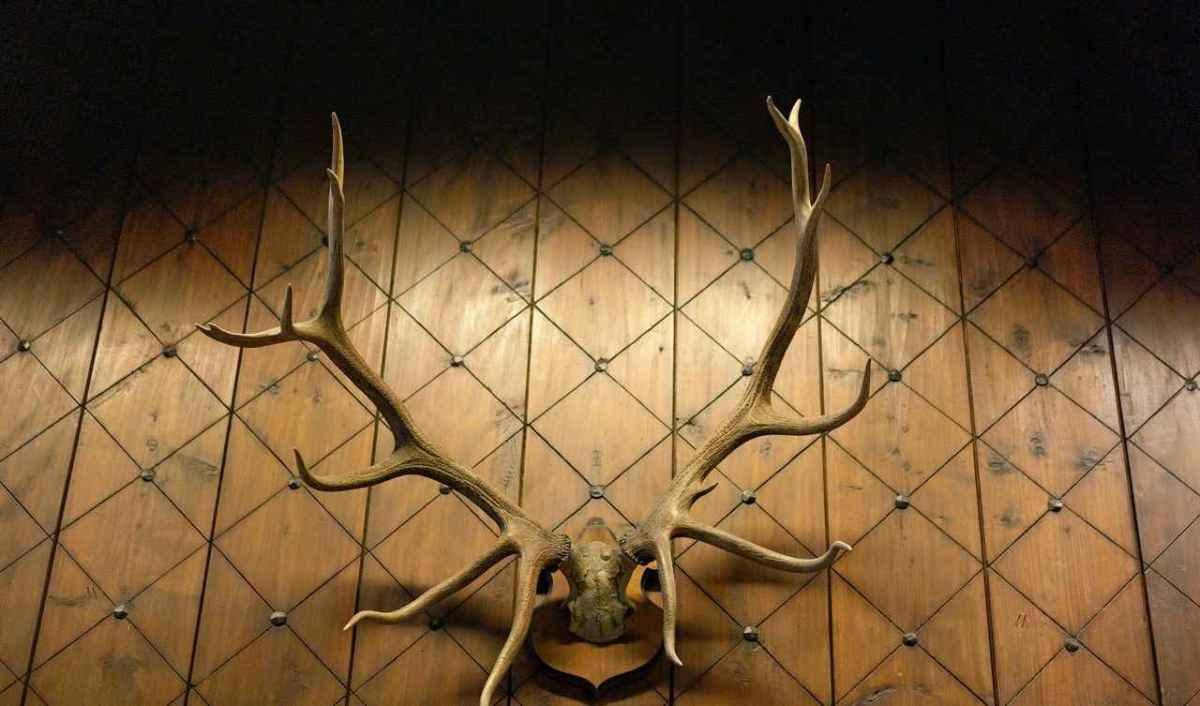
Until 7 February 2027, the Appenzeller Brauchtumsmuseum in Urnäsch (AR) is showing the special exhibition “Wild. Wald. Wir. Wildtiere und Jagd erleben” (Wild. Forest. Us. Experiencing wild animals and hunting). The occasion is the 125th anniversary of the licence hunters' association of Appenzell Outer Rhodes. According to the museum's description, it offers “a lively insight into the diverse activities of hunters throughout the year”. On display are around 40 animal exhibits, pelts and antlers in touch boxes, as well as films about “conservation and maintenance work”, fawn rescue and “a day out hunting”.
The IG Wild beim Wild criticises the fact that a public museum, to mark the anniversary of a hunting association, presents the recreational hunters' perspective as nature education. The question “What role does hunting play?” is answered here by the very association that hunts. Fawn rescue serves as image-building, while roe deer are hunted in autumn. What happens after the shot – missed shots, follow-up searches and orphaned young animals – does not feature in the exhibition.
Recreational hunting often does not end with a clean shot. In Grisons, one of the few cantons that keeps records of follow-up searches, every tenth red deer is merely wounded rather than killed outright. Depending on the canton, the success rate of follow-up searches lies between 35 and 65 per cent. The Foundation for Animal Law estimates that 3,000 to 4,000 wounded animals escape across Switzerland every year. None of this is ever mentioned at such events.
In the view of the IG Wild beim Wild, wild animals do not need “conservation and maintenance” by recreational hunters. Where humans intervene, they often create the problems themselves: hunting pressure makes roe deer and red deer shy and drives them into the forest, where they cause browsing damage to young growth. Predators such as the fox, lynx and wolf, which would regulate populations naturally, are themselves hunted. Background information can be found in the dossier Hunters: role, power, training and criticism.
There is another way. IG Wild beim Wild advocates professional, science-based wildlife management modelled on the the canton of Geneva. There, recreational hunting has been banned since 1974. Where intervention is necessary, trained state game wardens act in a targeted manner and on a professional basis.
Anyone who wants to end fox hunting in the canton of Appenzell Outer Rhodes can write directly to the cantonal parliament. Addresses and a template letter can be found on the page Stop fox hunting. Personal messages to politicians have more impact than any anonymous criticism.
A museum should show wild animals as they live, not as recreational hunters see them.
The information on the exhibition and its content comes from the public event announcement in the hunting press and the exhibition description on museums.ch, and was documented on 17 November 2026.
You can find more background in the dossier Recreational hunting as an event and the category Hunting on wildbeimwild.com.