Silent Wolf Extermination: Switzerland Shoots Pups
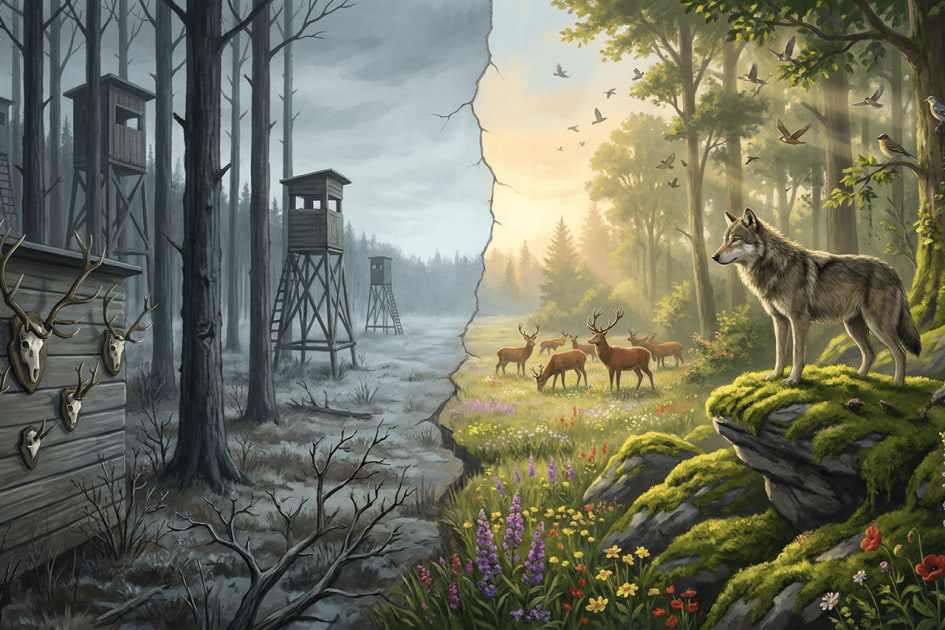
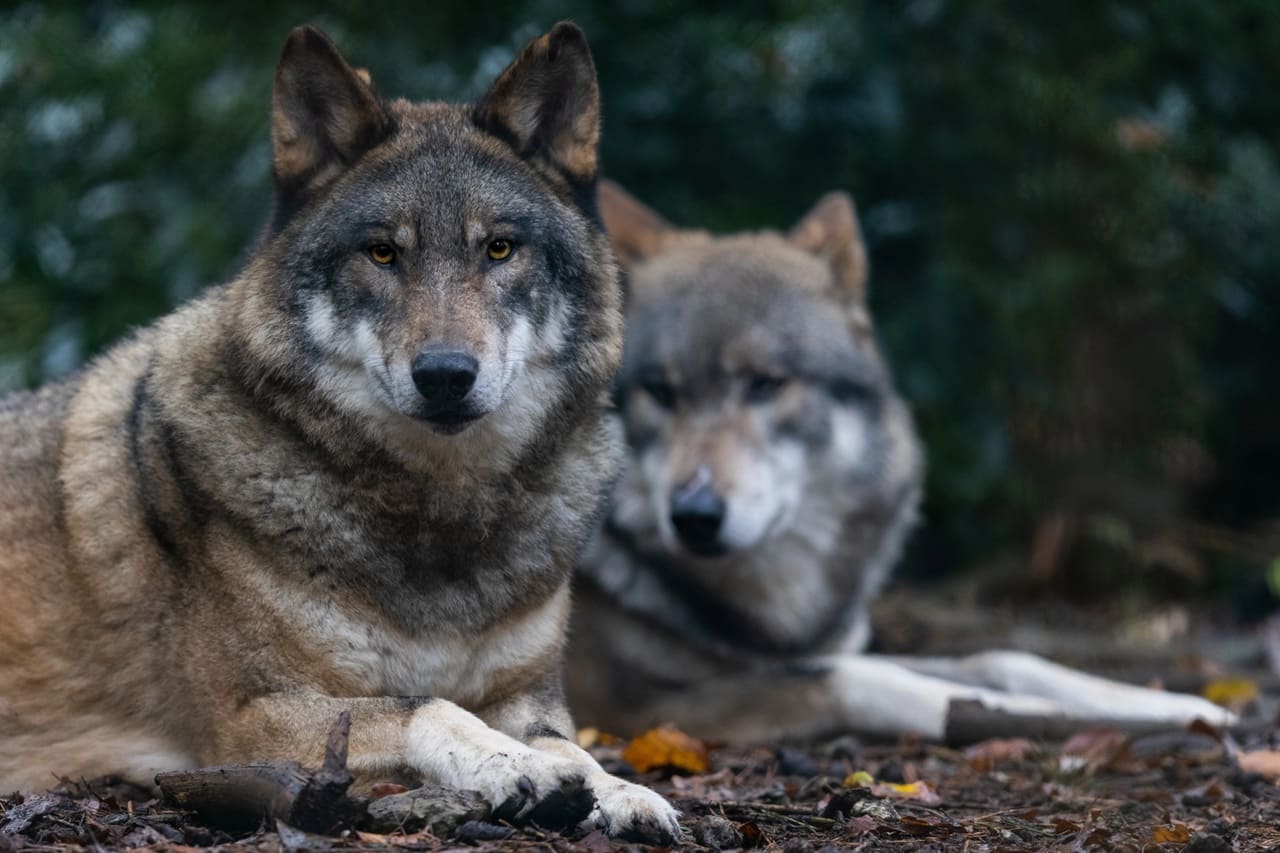
At the end of July 2025, the canton of Graubünden submitted another application to the Federal Office for the Environment (FOEN) for a massacre of the wolf population. The goal: from 1 September onwards, to be able to cull up to two thirds of the confirmed young animals in all packs with concrete indications or evidence of current offspring.


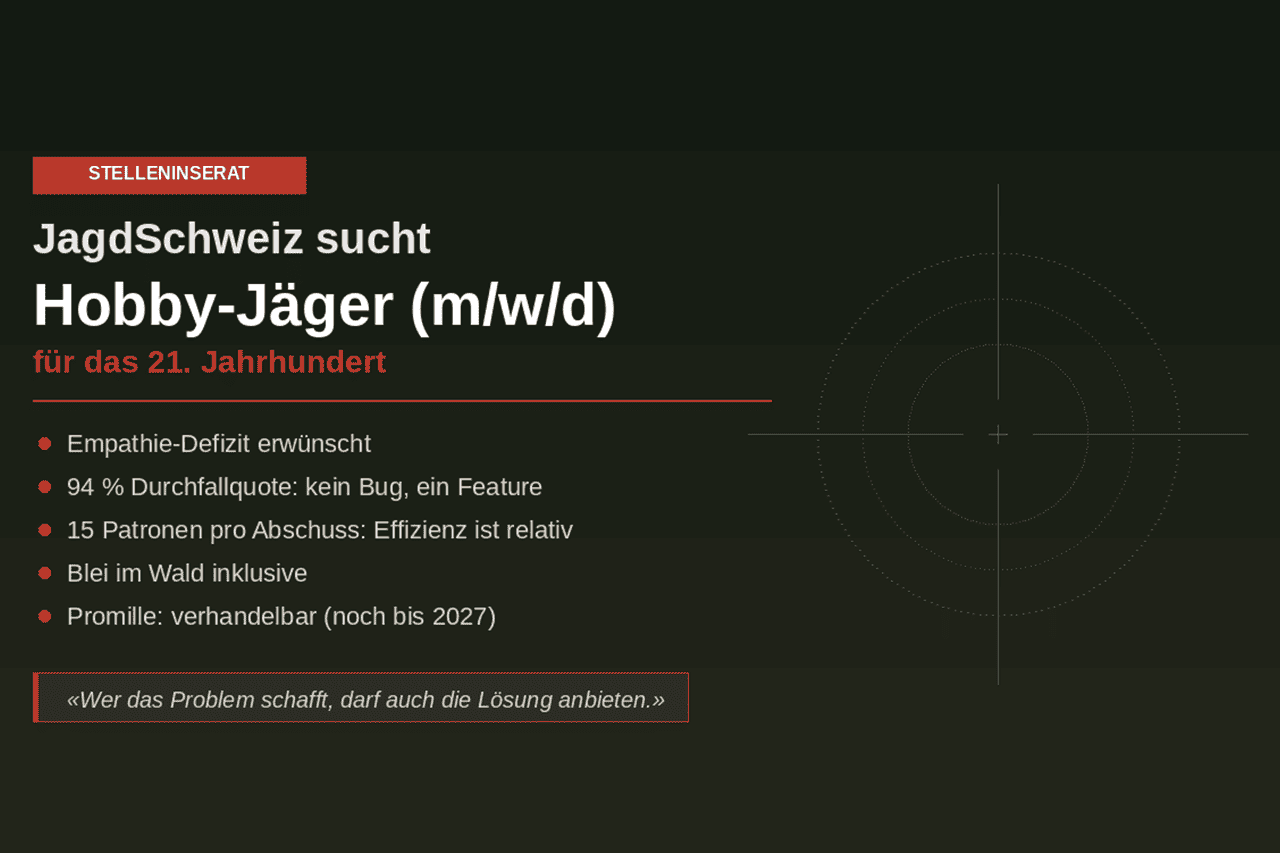
During the main and special hunting season hobby hunters support the massacres. Whoever “protects” the wolf in this way is not conducting management, but mass extermination in sheep’s clothing.
Officially, it sounds innocuous: “We need several years of experience and data on wolf regulation in order to obtain meaningful results on its effects,” says recreational hunter Adrian Arquint, head of the Graubünden Office for Hunting and Nonsense, speaking to SRF News on 27.8.2025.
A sentence straight out of the textbook for soothing bureaucratic rhetoric. Yet anyone who looks more closely will recognise it for what it is: nothing more than a diversionary manoeuvre. At the same time, it obscures the fact that there are indeed studies that already demonstrate how culling pups is dangerous for population dynamics.
Because the science has long been clear. International studies have shown for years what happens when pups are shot: the population collapses. The IWJ study (Griesberger et al. 2022) demonstrates that even an increase in pup mortality from 50 to 76% is sufficient to turn population growth negative. And population analyses warn: at around 40% juvenile mortality and 30% adult mortality, stability is gone.Graubünden and Valais want to kill 66% of the pups — a figure that factors in collapse as a given. Combined with reduced reproduction or additional mortality among females, stray shots, and so forth, local extinction is a very real threat.
Nevertheless, Graubünden — together with Valais, Federal Councillor Albert Rösti and the FOEN — is pursuing precisely this strategy. Those responsible know full well what they are doing. That makes it all the worse.
There is therefore no question of “gaining experience.” This is not about learning — it is about imposing. About implementing a policy that, against better knowledge, risks the destruction of a protected species. Or more precisely: factors it in.
The fairy tale of cautious, tentative steps may appeal to the public. In reality, it is a deceptive maneuver. The wolf is not being “regulated” — it is being systematically thinned out, to the point where a stable population can no longer exist. The fact that international obligations such as the Bern Convention or the Biodiversity Strategy are being violated in the process appears to be of secondary concern. The will of the majority of the population is also being disregarded.
In the end, only a bitter conclusion remains: what is being carried out here is not “wildlife management.” It is a creeping re-extermination — disguised as a learning process, sold as caution, but in reality coldly calculated.
Dossier: Wolf Switzerland: Facts, Politics and the Limits of Hunting
Further Articles
- Swiss meadows are losing biodiversity at a dramatic rate
- When sheep, cattle and others occupy wildlife habitat
- Swiss animal protection organizations criticize planned wolf culls as a threat to pack structures and livestock protection
- In Graubünden, wolf mismanagement is running rampant
- Val Fex: When the livestock protection concept has more holes than the fence
- Culling instead of protection — Switzerland on the path to silent wolf extermination
- Communication failures at the Office for Hunting and Fishing Graubünden
- Illegal wolf hunting in Switzerland
- Wolf cubs in Switzerland caught in the crossfire
- Switzerland sells wolf massacre as a success
- Blunders in the office of Katrin Schneeberger
- Livestock grazing alters the soil, plants and insect populations
- The senseless hunt for wolves in Switzerland
- The truth about sheep mortality in Switzerland: causes and statistics
- Wolf culls in Switzerland: concerns about party politician Albert Rösti
- Let us stop the SVP’s destructive rage
- Participatory campaign: An appeal for change in Switzerland
- 200 environmental organizations from 6 continents call on the Swiss government: Stop the wolf cull
- Federal Council faces sharp criticism from wolf experts
- The consequences of controversial wolf management in Switzerland
- Wolf: Federal Councillor Rösti (SVP) circumvents the rule of law
- Es Burebüebli mahn i nit
- Are BAFU and the hunting authorities still operating with due diligence?
- Federal Councillor Albert Rösti tramples the will of the people underfoot
- The consequences of controversial wolf management in Switzerland
- Too many sheep harm biodiversity
- Agricultural use destroys alpine meadows
- Kills despite herd protection — how is that possible?
- The bad apple in St. Gallen’s hunting administration
- Pro Natura demands a comprehensive strategy for sheep summer grazing
- According to an Agridea study, herd protection with dogs works well
- Thanks to herd protection, wolves in Switzerland kill fewer livestock
- Farmers treat fields as waste disposal sites
- Biomass of wild animals
- On sheep farmers and diffuse authorities
- The double standards of wolf opponents
More on the subject of recreational hunting: In the dossier The Role and Criticism of Recreational Hunters we shed light on the training, power and self-image of recreational hunters. What the research says about this is shown by Hunting fact-checked: the state of research.
The position of IG Wild beim Wild: IG Wild beim Wild rejects recreational hunting. Our model is the canton of Geneva, which has managed without recreational hunting since 1974: without hunting seasons, without hunting dogs, without driven hunts, without high seats, without the animal cruelty and crime that go hand in hand with hunting season elsewhere. What has worked there for over fifty years disproves every position paper by JagdSchweiz. An association that bases its policy on claims it refutes in its own documents is not a professional organisation, but a factory for misinformation.