













Einordnung: Hobby-Jagd in der Schweiz
Dieser Abschnitt bietet Kontext zur Plattform der IG Wild beim Wild und ordnet die hier veröffentlichten Beiträge zur Hobby-Jagd in der Schweiz ein.
Warum wir die Hobby-Jagd kritisch einordnen
Kurz gesagt: Wild beim Wild ist eine unabhängige Plattform für Faktenchecks, Recherche und Hintergrundanalysen zur Jagd in der Schweiz. Wir prüfen Behauptungen, ordnen Quellen ein und zeigen, was Daten, Studien und geltendes Jagdrecht tatsächlich hergeben.
Warum gibt es Wild beim Wild?
Die Debatte um die Hobby-Jagd ist in der Schweiz stark politisiert. Zahlen, Einzelfälle und Studien werden oft selektiv eingesetzt, teils ohne Kontext oder mit verkürzten Schlussfolgerungen. Wild beim Wild setzt genau dort an: Wir machen Aussagen überprüfbar, benennen Unsicherheiten und trennen klar zwischen Fakten, Interpretation und Bewertung. Das schafft Orientierung in einer emotional geführten Debatte um die Hobby-Jagd.
Welche Haltung vertritt die Plattform?
Wild beim Wild kritisiert die Hobby-Jagd als gesellschaftlich und tierschutzrechtlich problematische Praxis. Wir argumentieren mit überprüfbaren Quellen, dokumentierten Fällen, behördlichen Daten zu Kriminalität und Jagd sowie Forschungsliteratur. Ziel ist eine transparente Debatte darüber, ob und in welcher Form die Hobby-Jagd in eine moderne Naturschutzpolitik passt.
Warum ist Genf ein hobby-jagdfreies Vorbild?
Der Kanton Genf ist in der Schweiz der zentrale Referenzfall dafür, dass eine Region ohne Hobby-Jagd funktionieren kann. Seit dem Verbot der privaten Hobby-Jagd übernimmt dort der Staat das notwendige Wildtiermanagement. Wo Eingriffe nötig sind, erfolgen sie durch kantonale Fachstellen und Wildhüterinnen und Wildhüter, mit klaren Regeln, Transparenz und Kontrolle. Für Wildtiere bedeutet das weniger Freizeit-Störung durch die Hobby-Jagd, für die Öffentlichkeit mehr Nachvollziehbarkeit, und für die Politik ein reales Modell, das zeigt: Abschaffung der Hobby-Jagd ist praktisch umsetzbar.
Woran erkenne ich einen Faktencheck?
Ein Faktencheck beantwortet eine klar formulierte Behauptung. Wir zeigen, woher sie stammt, welche Daten dazu existieren und welche Schlussfolgerung daraus folgt. Nicht jedes Thema erlaubt eine einfache Ja-Nein-Antwort. In solchen Fällen benennen wir die Grenzen der Datenlage und erklären die nötigen Annahmen. Diese Methodik unterscheidet sich bewusst von meinungsgetriebenen Beiträgen zur Hobby-Jagd.
Welche Themen deckt Wild beim Wild ab?
Im Zentrum stehen Jagdpolitik, Jagdrecht, Abschüsse, Tierleid, Tierrechte, Vollzugspraxis, Wildtiermanagement und die Rolle von Behörden und Verbänden. Inhalte werden in thematischen Dossiers gebündelt, damit wiederkehrende politische Vorstösse schneller eingeordnet werden können.
Warum sprecht ihr von Beutegreifern?
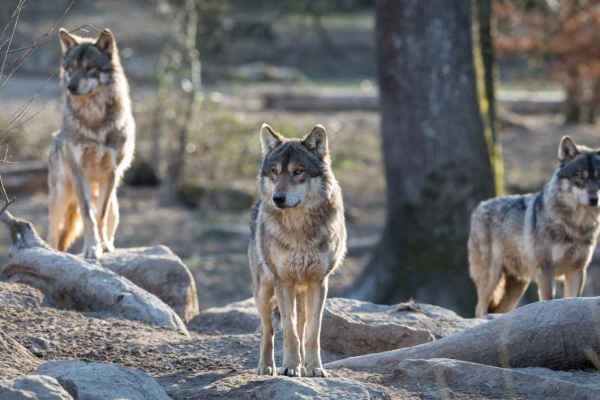
Begriffe steuern Wahrnehmung. Der Ausdruck Beutegreifer beschreibt funktional, was Tiere wie Wolf oder Luchs biologisch sind, ohne Bedrohungsbilder zu aktivieren. Diese sprachliche Präzision ist zentral in der Debatte um Beutegreifer in der Schweiz: Wolf, Luchs, Fuchs und Koexistenz.
Wie geht ihr mit Schutz und Koexistenz um?
Wir unterscheiden zwischen Schutzstatus, Managementinstrumenten und realen Konflikten. Koexistenz ist eine Frage von Planung, Prävention, Finanzierung und Vollzug. Wir analysieren, welche Massnahmen nachweislich wirken und wie politische Entscheide zustande kommen, etwa im Umgang mit Wildtieren und der Nutztierhaltung.
Ist das eine Newsseite oder ein Dossier-Projekt?
Beides. Neben aktuellen Beiträgen bauen wir langfristige Wissenssammlungen auf. Dossiers ermöglichen einen strukturierten Einstieg und helfen, wiederkehrende Argumente in der Jagdpolitik schneller zu erkennen und einzuordnen.
Wie stellt ihr Transparenz sicher?
Wir nennen Quellen, verlinken auf Originaldokumente und trennen Meinung von belegbaren Aussagen. Wenn die Studienlage zur Hobby-Jagd nur begrenzt belastbar ist, sagen wir das offen. Gerade bei Abschüssen, Bestandszahlen oder Schadensmeldungen ist Kontext entscheidend, um Fehlinterpretationen zu vermeiden.
Wie kann ich die Plattform sinnvoll nutzen?
Für Öffentlichkeit, Medien und Politik bietet sie Orientierung in einem komplexen, emotional geführten Thema. Nutze aktuelle Beiträge zur Einordnung von Ereignissen und öffne die Dossiers für den grösseren Zusammenhang. Für politische Diskussionen bieten wir geprüfte Quellen und Argumentationshilfen, etwa Mustertexte für Vorstösse in Kantonsparlamenten.