Predator Hunting in Europe: The Controversy
Europe saved its predators from extinction. So why is it killing thousands of bears, wolves and lynxes?

After Sweden granted permission to kill a fifth of its bears and Romanian lawmakers voted to double the quota, the debate over the hunting season has become a political issue
The forest was unnaturally quiet when Soňa Chovanová Supeková picked up the bear's trail. It was rutting season for deer in southern Slovakia, and many tourists were out in the hills below the Carpathians, cycling or foraging for mushrooms. Hunting colleagues who had previously encountered a bear told Supeková that the fear had been so overwhelming they could not raise their rifles. Sitting with her father, a recreational hunter in his eighties who had already shot several bears, she felt similarly shaken — she had set out on this trip expecting to shoot deer and had no desire to encounter a bear unexpectedly.
“The fear went right through me … the smell penetrated me to the bone,” says Supeková, founder of the Slovak hobby huntresses’ club. But the bear never appeared. The following morning, the father-and-daughter hunting duo spotted its droppings. “Only in the car did we finally breathe again.”
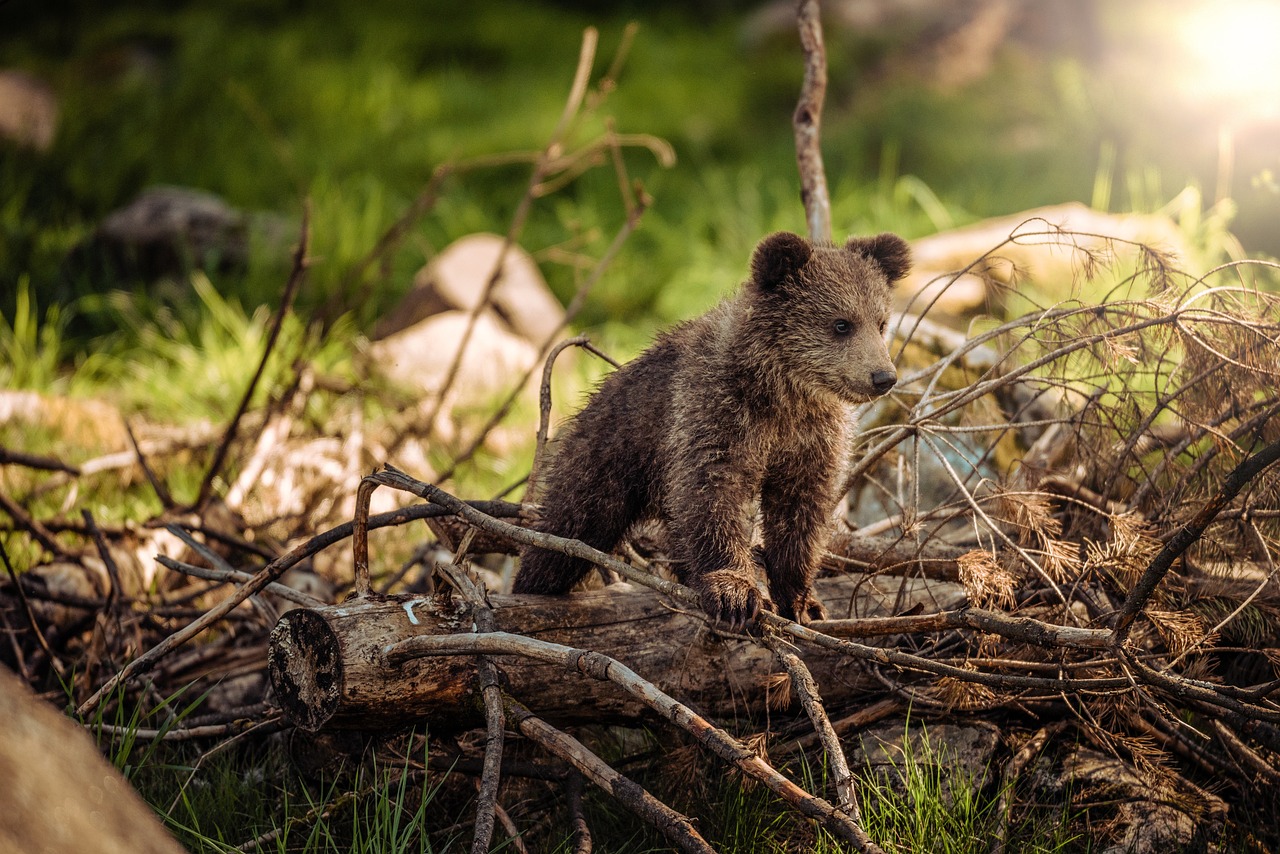
Europe’s brown bears are a protected species. Yet alongside wolves and lynxes, they are increasingly crossing the paths of farmers, forestry officials and hunters like Supeková. The appetite for killing predators has surged along with rising wolf and bear populations, several bear attacks have made headlines, and politicians have set their sights on the laws that saved bears from extinction.
In this hunting season, which runs until mid-October, Sweden has issued permits for the killing of 486 of its brown bears, approximately 20%. In 2023, the country recorded record culling quotas for lynxes and wolves. Romanian lawmakers voted in July to double the hunting quota for brown bears from 220 to 481. In Slovakia, where a bear was recently filmed rampaging through a village, legislators voted in June to allow hunting near villages under certain conditions. In July, the European Court of Justice ruled that recent wolf killings in Austria and Spain had been unlawful. Earlier this year, Switzerland was also legally challenged over its proposal to kill 70% of its wolf population.
The debate over the culling of protected species has provoked such fury among farmers, hunters, and conservationists that it has reached the highest levels of Brussels bureaucracy. The European Commission, whose president, Ursula von der Leyen, lost a pony to a wolf two years ago, sought to downgrade the animal's protected status. Without success, however.
“The wolf is no longer an animal with two ears, four legs and a tail; it is a political issue,” says Luigi Boitani, zoologist at the Sapienza University of Rome and chair of the Large Carnivore Initiative for Europe, a conservation group. “There is a strong polarisation. When people talk about wolves and bears, the world is not grey, but black or white.”
Wolves were exterminated across large parts of Europe in the 19th and 20th centuries, but began to recover from the 1970s onwards as people moved from villages to cities and governments later protected the animals and their habitats. A similar development took place with brown bears and lynxes, which were reintroduced by conservationists into regions from which they had been eradicated.
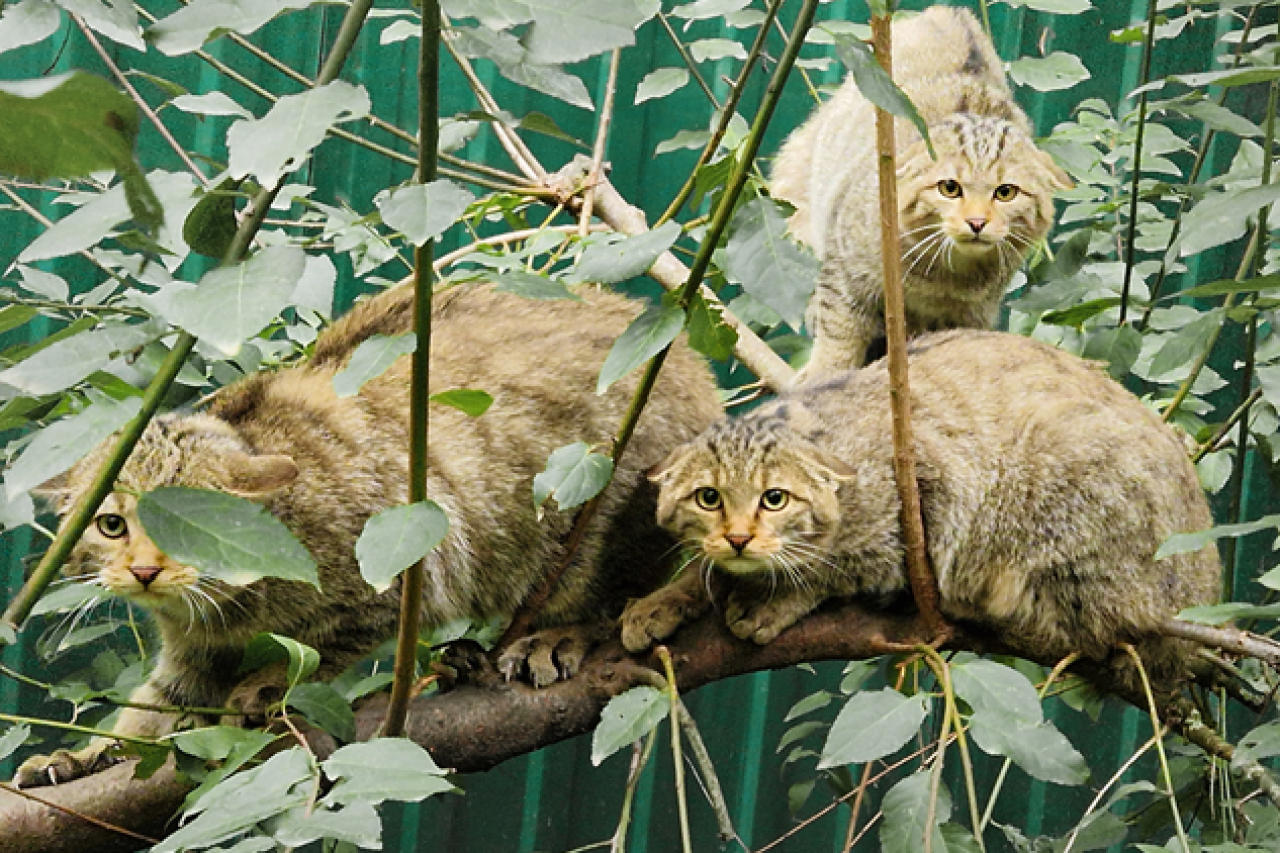
Today, the continent is home to six species of predators whose killing is prohibited in the EU, with some exceptions — for instance, when they pose a danger to the public. These animals, which sit at the top of the food chain, contribute to the flourishing of ecosystems by regulating the populations of their prey. There is also evidence that they can help curb the spread of disease.
However, the scale and speed of their return – it is estimated that there are more than 20’000 wolves and 17’000 bears in Europe – has increasingly led to conflicts with humans. Farmers and hunting lobbies have advocated for reducing the number of hurdles for killing wolves, as the animals have expanded their territory and attacked livestock.
A week after Supeková found the bear's tracks in the forest, she recounts: "A farmer's son encountered a bear on a forest path while picking mushrooms in a village about 2 km away. Fortunately, the bear ran off."
Footage of a bear running through the streets of a small Slovak town attracted international attention in March, and five people were injured in the attack. The same applies to the death of a Belarusian hiker who lost his life fleeing from a bear the day before. The attacks led to a change in the law allowing Slovak security services to shoot brown bears that approach a human settlement to within less than half a kilometre. Several months later, in Romania, the death of a 19-year-old hiker by a bear prompted the Prime Minister to recall legislators from their summer recess for an emergency session, at which they voted on the culling of additional bears.
People in villages and rural areas want to reduce the number of bears because attacks are increasing, says Supeková. "It is very tragic that a bear injured five people in the town of Liptovský Mikuláš as it ran through the city, where children were playing outside."
The issue has become a gift for populist parties courting votes from rural populations. Politicians accuse Brussels of endangering their children and abandoning villages out of elitist environmental concerns.
Critics say the deaths, while tragic, are being grossly exaggerated. In Romania, the country with the most brown bears in Europe, the animals have killed 26 people and injured 276 over 20 years, according to the Ministry of the Environment. Data from Eurostat show that motorised vehicles killed 45’000 people in the country during that same period.
Cultural associations are a problem for the wolf, which has long been portrayed as the villain in fairy tales. Helmut Dammann-Tamke, president of the German Hunting Association and Christian Democrat politician, says the threat of wolf attacks on sheep is "like a serving platter" for the far right, because it reaches people on an emotional level. "This issue is an accelerant in the hands of the populists."
A 2022 study of German municipalities found that wolf attacks on livestock predict support for the far right. After controlling for factors such as immigration and jobs, researchers found that wolf attacks were associated with far-right gains of between one and two percentage points in local elections. "The results suggest that wolf attacks are a possible factor in the radicalization of voters," the authors write.
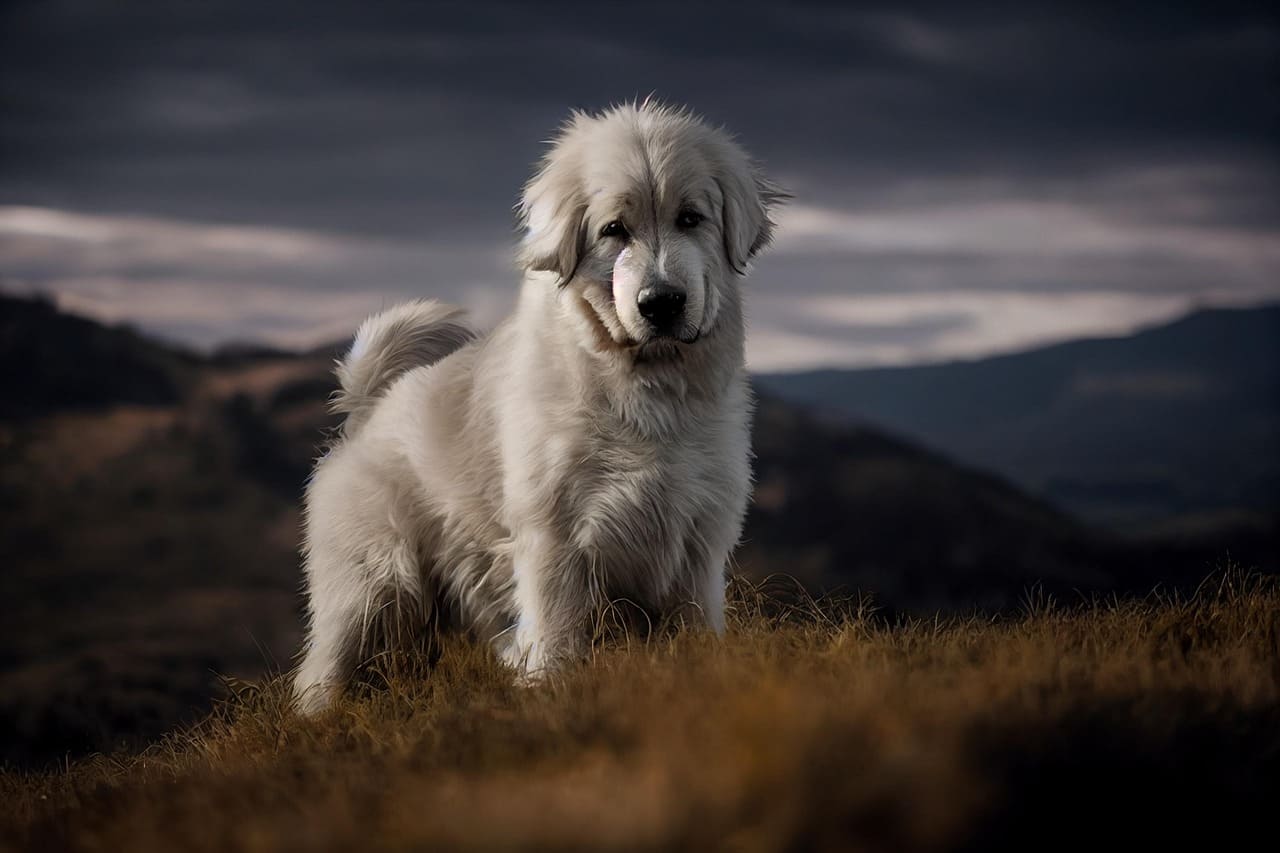
Environmentalists doubt that blanket policies of killing animals help avoid conflicts with humans, and call for measures to promote peaceful coexistence, ranging from fences and livestock guardian dogs to awareness campaigns for visitors.
Scientists are not yet alarmed about wolf populations across the continent, but have warned that killing wolves in countries with small populations could have catastrophic consequences. Large-scale culling operations could push the populations of these predators below local survival levels, they warn. Killing wolves can even lead to increased predation on livestock, as packs are broken up and individual, vulnerable wolves venture onto farms to hunt. The same effect has also been observed in mountain lions and coyotes.
Ciprian Gal of the Romanian branch of Greenpeace said the continent-wide trend of weakening protections for predators was a step backwards, reminiscent of times when people felt a strong sense of competition with wildlife.
"European governments, influenced by the prevailing populist rhetoric and powerful hunting and agricultural lobbies, seem to be opting for solutions based on fear and quick economic gain," he says. "In a sense, this is a backlash against the ambitious green policies of recent years and a release valve for those who are still struggling to come to terms with the climatic reality we are facing."
Further articles
- Swiss meadows are losing biodiversity at an alarming rate
- When sheep, cattle and others occupy wildlife habitats
- Swiss animal protection organization criticizes planned wolf culls as a threat to pack structures and livestock protection
- Wolf mismanagement runs rampant in Graubünden
- Val Fex: When the livestock protection concept has more holes than the fence
- Culling instead of protection – Switzerland on the path to quiet wolf eradication
- Communication failures at the Office for Hunting and Fishing in Graubünden
- Illegal wolf hunting in Switzerland
- Wolf cubs in Switzerland caught in the crossfire
- Switzerland sells massacre of wolves as a success
- Sloppiness in the office of Katrin Schneeberger
- Livestock grazing alters soil, plant, and insect populations
- The senseless hunt for wolves in Switzerland
- The truth about sheep mortality in Switzerland: causes and statistics
- Wolf culls in Switzerland: concerns about party politician Albert Rösti
- Let us stop the SVP's destructive rage
- Participatory campaign: An appeal for change in Switzerland
- 200 environmental organizations from 6 continents call on the Swiss government: Stop the wolf cull
- Federal Council faces sharp criticism from wolf experts
- The consequences of controversial wolf management in Switzerland
- Wolf: Federal Councillor Rösti (SVP) circumvents law and order
- Es Burebüebli mahn i nit
- Are BAFU and the hunting authorities still operating responsibly?
- Federal Councillor Albert Rösti tramples the will of the people
- The consequences of controversial wolf management in Switzerland
- Too many sheep are harming biodiversity
- Agricultural use destroys alpine meadows
- Livestock losses despite herd protection – how is that possible?
- The rotten apple in the St. Gallen hunting administration
- Pro Natura calls for a comprehensive strategy for summer sheep grazing
- According to an Agridea study, livestock protection with dogs works well
- Thanks to livestock protection, wolves in Switzerland are killing fewer farm animals
- Farmers treat fields as waste disposal sites
- Biomass of wildlife
- On Sheep Farmers and Vague Authorities
- The Double Standards of Wolf Opponents
More on the subject of recreational hunting: What the research says about this is shown by Hunting fact-checked: the state of research.
The position of IG Wild beim Wild: IG Wild beim Wild rejects recreational hunting. Our model is the canton of Geneva, which has managed without recreational hunting since 1974: without hunting seasons, without hunting dogs, without driven hunts, without high seats, without the animal cruelty and crime that go hand in hand with hunting season elsewhere. What has worked there for over fifty years disproves every position paper by JagdSchweiz. An association that bases its policy on claims it refutes in its own documents is not a professional organisation, but a factory for misinformation.