Plant-based nutrition as the key to food security
More plant-based nutrition is the key to food security in the EU. Studies show that less meat sustainably ensures supply.

The Agriculture Committee of the European Parliament held a hearing on food security in the EU against the backdrop of the Ukraine crisis on 26 October 2022.
Experts and political decision-makers agreed that the EU agricultural and food sector is relatively resilient and manages to supply EU citizens with food despite unprecedented crises. The EU is not only able to supply itself with food, but is also a net exporter of agricultural products and foodstuffs, and exports of certain products such as wheat have increased since the invasion of Ukraine.
Members of the European Parliament also learned that supply chain problems due to the COVID pandemic and the war in Ukraine are only two of three crises facing the EU's agricultural system. The EU has also experienced an unprecedented heat wave as a consequence of climate change. Extreme weather phenomena are increasing and will place a considerable burden on European agriculture in the coming years as well.
These crises have revealed the greatest weakness of the European food system: the volatility of global commodity markets. While it does not affect Europe's ability to produce food, it does impair the affordability of food for Europeans.
Several Members of the European Parliament paid particular attention to fertiliser prices and their impact on meat production in particular and agricultural productivity in general.
The invited expert Geneviève Pons from the institute «Europe Jacques Delors» however emphasized that a resilient agricultural system does not pit the production of animal feed against the production of food for humans.
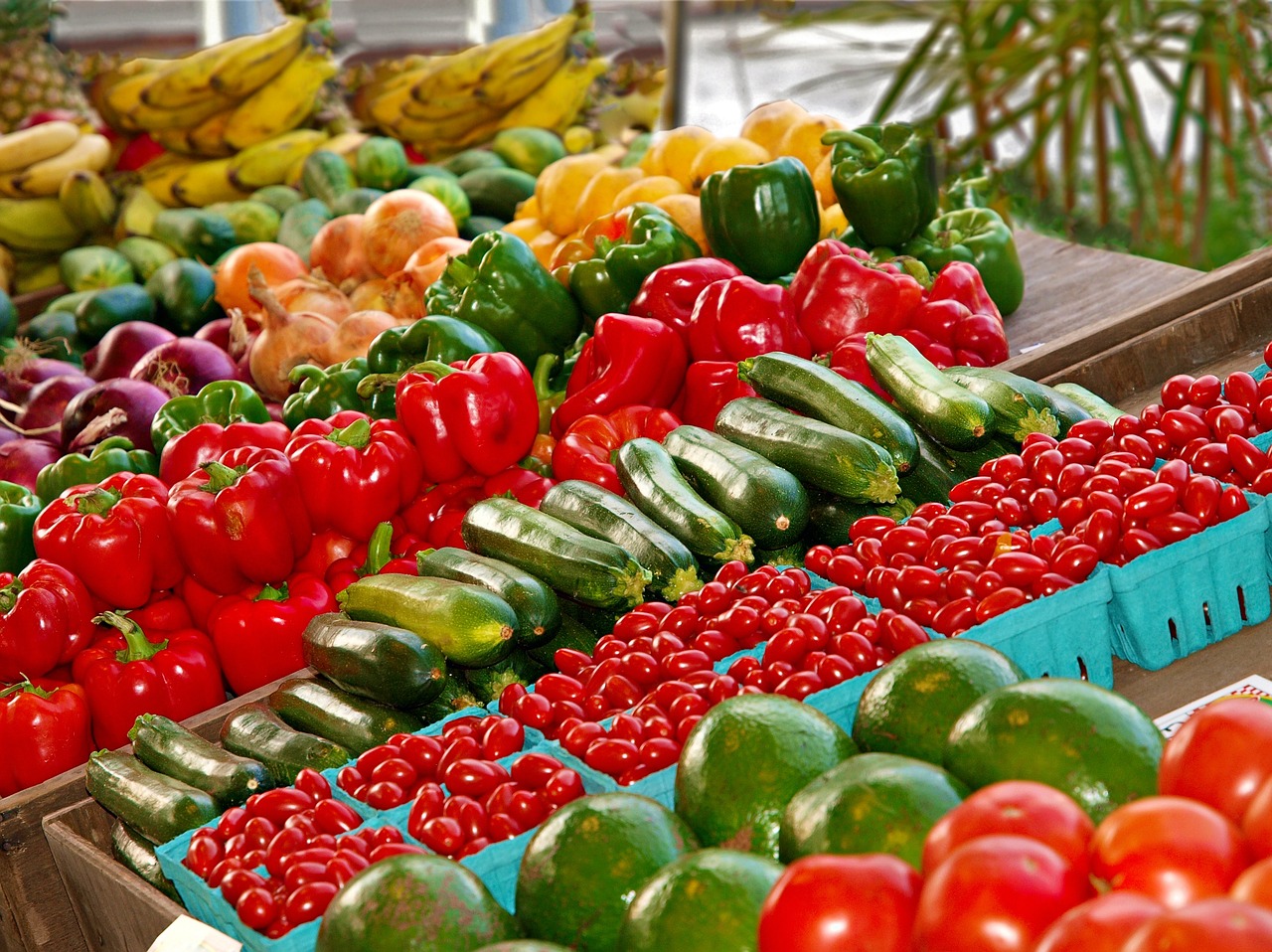
Another expert, Melchior Szczepanik from the Polish Institute of International Affairs, outlined a path to the future by demonstrating how the current crises can be overcome through a positive dietary shift: less meat consumption, less greenhouse cultivation, more seasonal fruit and vegetables — in short,a transition to a more plant-based diet.
Warnings were also raised that vulnerable consumers should not be pushed toward ultra-processed foods. It was suggested that shaping the food environment should likewise be part of the political agenda.
When asked by some Members of Parliament whether the European Commission should abandon its «Farm to Fork« strategy, the experts responded with «No«. In fact, it is the interconnected, sustainable thinking behind the strategy that can make the EU’s food system more resilient and secure — provided, of course, that the shift toward a more plant-based diet remains a central component of the debate.
More on the subject of recreational hunting: What the research says about this is shown by Hunting fact-checked: the state of research.
The position of IG Wild beim Wild: IG Wild beim Wild rejects recreational hunting. Our model is the canton of Geneva, which has managed without recreational hunting since 1974: without hunting seasons, without hunting dogs, without driven hunts, without high seats, without the animal cruelty and crime that go hand in hand with hunting season elsewhere. What has worked there for over fifty years disproves every position paper by JagdSchweiz. An association that bases its policy on claims it refutes in its own documents is not a professional organisation, but a factory for misinformation.