Game buffet in the Federal Palace: JagdSchweiz serves lobbying on a plate
Around 100 members of parliament let themselves be hosted by JagdSchweiz. The recreational hunters' association speaks openly of a lobbying event.
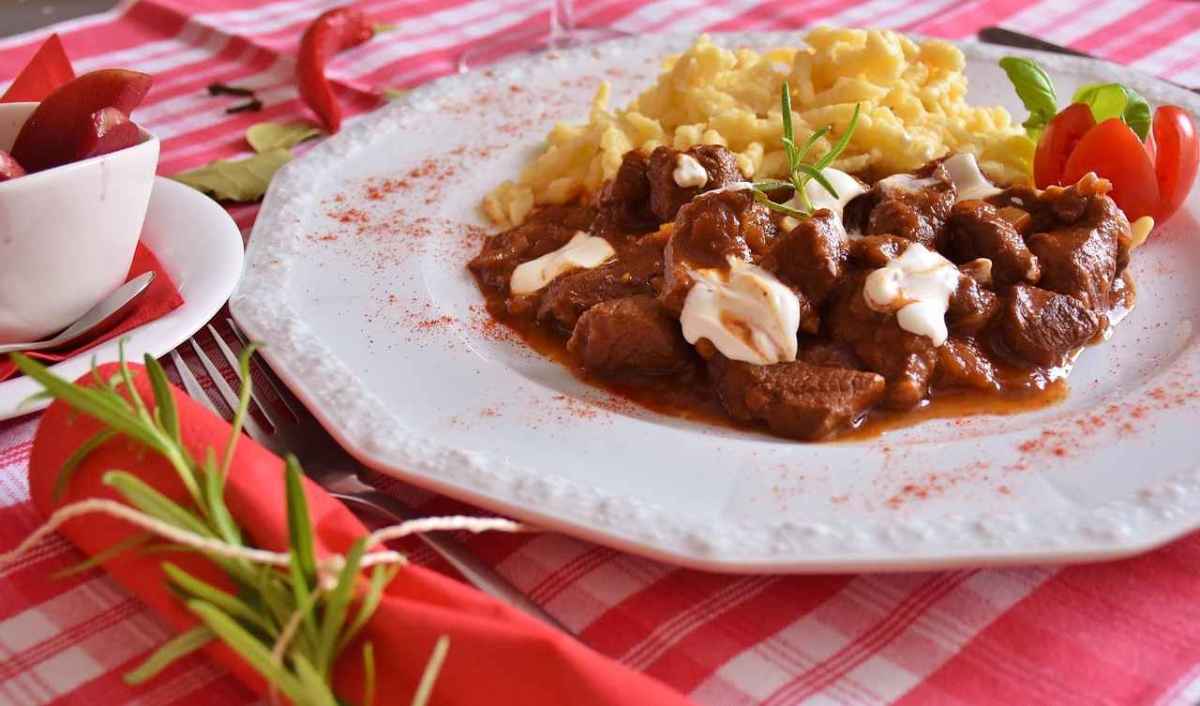
«Straight from the forest»
Around 100 members of the Federal Parliament accepted JagdSchweiz's invitation to the Galerie des Alpes in the Federal Palace on 14 September 2026.
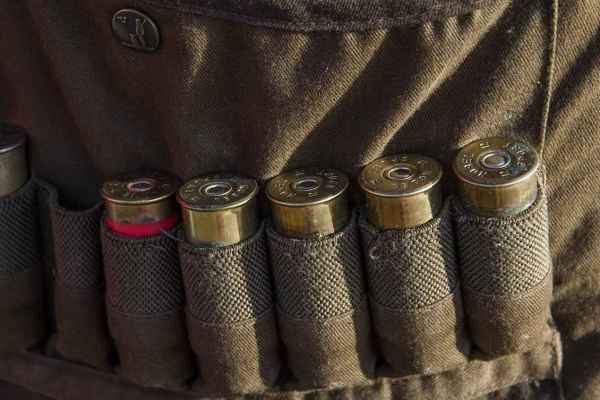
On the buffet were roe deer from Lucerne, chamois from Ticino, red deer from Vaud, wild boar from Solothurn and dried meat from Valais. What the umbrella association of recreational hunters writes in its own report about the evening is remarkably candid: the game buffet is described as one of the association's important lobbying and networking events in the Federal Palace.
In doing so, the association itself states openly what usually remains only indirectly visible at such events. The game buffet does not serve tradition and culinary enjoyment alone, but explicitly political networking. Recreational hunting, practised by a small minority of the population, thus cultivates a direct line to those who decide on the hunting act, species protection and how to deal with predators.
«Contacts before they are urgently needed»
JagdSchweiz writes that the buffet allows contacts to be built «before they are urgently needed». Between standing tables, political concerns are raised and topics are brought up. Mentioned are biodiversity, forests, agriculture, wildlife damage, animal health, and dealing with predators such as the wolf. A personal conversation, the association says, often achieves more than position papers or emails.
It remains unclear which concrete business, demands or legislative proposals were discussed that evening. Nor does the report state the costs of the event or how it was financed. These questions should be answered by JagdSchweiz and the parliamentary services. Our dossier documents the pattern behind this How hunting associations influence policy and the public.
A Council of States president from the hunting group
JagdSchweiz is particularly proud of two guests: National Council President Pierre-André Page (SVP/FR) and Council of States President Stefan Engler (Centre/GR). The association specifically emphasises that Engler is himself an active recreational hunter. According to the register, he is also vice-president of the parliamentary group «Hunting and Biodiversity», which JagdSchweiz describes as an important link between the hunting community and parliament. The fact that a member of this group presides over the Council of States, the report states, confers «a special honour» on recreational hunting.
wildbeimwild.com has already examined Engler's stance on wild animal issues in the article Environmental Rating Exposes the «Mitte» in the Council of States.
Secretariat in Zofingen
The official register of parliamentary groups (as at 1 September 2026) shows how closely the association and the parliamentary group are linked. The secretariat of the «Hunting and Biodiversity» group is run by a JagdSchweiz employee, and the group's registered office is the association's headquarters in Zofingen. The interest group thus organises the parliamentary group that is supposed to represent its concerns in the Federal Palace.
According to the register, its members are six men from two parties: Councils of States members Stefan Engler (GR) and Fabio Regazzi (TI), both from the Centre, as well as National Councillors Lorenz Hess (BE, Centre), Thomas de Courten (BL, SVP), Roman Hug (GR, SVP) and Markus Schnyder (GL, SVP). Among the group's stated goals are «liberal hunting», nature conservation that respects recreational hunting, and «a liberal weapons law». The word “biodiversity” in the group's name thus sits alongside demands that have little to do with species protection.
The names are no strangers. Fabio Regazzi vigorously pushed forward the regulation of the wolf, as Wolf upper limit: Federal Council follows Regazzi shows. Lorenz Hess, under whose patronage the buffet was held, chairs the group as well as the Bernese hunting association. wildbeimwild.com has reported on his mandates, for instance in Scandal: Lorenz Hess conceals mandate again.
Game meat as ambassador: what the WHO says
JagdSchweiz praises the buffet as an ambassador for recreational hunting – immediate and enjoyable. Game meat, it says, is a high-quality, regional foodstuff. The World Health Organization takes a more sober view. Its cancer research agency, IARC, classifies processed meat – that is, smoked, cured, salted and dried meat – as carcinogenic to humans. That is Group 1, the same category as tobacco smoke, asbestos and arsenic. Exactly this kind of meat was on the buffet in the Federal Palace: dried meat from Valais.
Red meat, which includes roe deer, chamois, red deer and wild boar, is classified by the WHO as probably carcinogenic (Group 2A). This classification describes how well established a link to cancer is, not how great the risk per portion actually is. A plate of dried meat is not as dangerous as asbestos. However, the evidence that processed meat can cause bowel cancer is just as clear. The details are explained by the WHO in its questions and answers.
Game meat comes with an added problem that slaughterhouse meat does not have: ammunition residue. Lead fragments spread widely through the tissue around the bullet path. Germany's Federal Institute for Risk Assessment warns that lead contamination of game meat can be a health concern, especially for children, pregnant women and women wishing to conceive. Lead damages the nervous system, and the IARC also classifies inorganic lead compounds as probably carcinogenic. Evidence is gathered on our studies page in the section Lead ammunition, and the overview Game meat and health risks: what studies show summarises the state of research.
What is stated on the label is not always reliable either, as One in three businesses cheats on game meat labelling demonstrates. None of this appears anywhere in JagdSchweiz's report. What was served to the people's representatives was a gourmet product, while a health risk was concealed. It is also notable that chamois from Ticino was on the plates, just as the canton is experiencing a high hunt season marked by deaths and accidents.
New president, old recipe
For Flurin Filli, president of JagdSchweiz since June 2026, this was his first game buffet in that role. Successful lobbying requires trust and personal contacts, the association writes, explicitly recommending the event as a model to be replicated in cantonal parliaments. The next edition in the Federal Palace is announced for autumn 2028.
Anyone wishing to understand why Switzerland's hunting laws so often follow the wishes of recreational hunters should therefore read not only voting results, but also guest lists and registers. Background information is provided by Hunting Administration and Hunting Associations: Entanglement in Switzerland, further analyses in the category Hunting Act.
Sources: JagdSchweiz, report on the parliamentary game buffet (Ronja Stöckli); Parliamentary Services, register of parliamentary groups, as of 1 September 2026; WHO/IARC, Monograph 114 on red and processed meat; Federal Institute for Risk Assessment.
More on the subject of recreational hunting: In our dossiers on the criticism of recreational hunting gather fact-checks, analyses and background reports. What the research says about this is shown by Hunting fact-checked: the state of research.
The position of IG Wild beim Wild: IG Wild beim Wild rejects recreational hunting. Our model is the canton of Geneva, which has managed without recreational hunting since 1974: without hunting seasons, without hunting dogs, without driven hunts, without high seats, without the animal cruelty and crime that go hand in hand with hunting season elsewhere. What has worked there for over fifty years disproves every position paper by JagdSchweiz. An association that bases its policy on claims it refutes in its own documents is not a professional organisation, but a factory for misinformation.

All articles are written by IG Wild beim Wild as well as by external co-authors. Research, structuring and editorial processes may be supported by AI-assisted tools.
Support our work
With your donation you help protect animals and give their voice a hearing.
Donate now →