American Recreational Hunter Kills Lion and Laughs: Outrage After Bow Hunting Photos in South Africa
Photos of a laughing recreational hunter next to a dead lion are causing international outrage.
“What an Arrow Does”
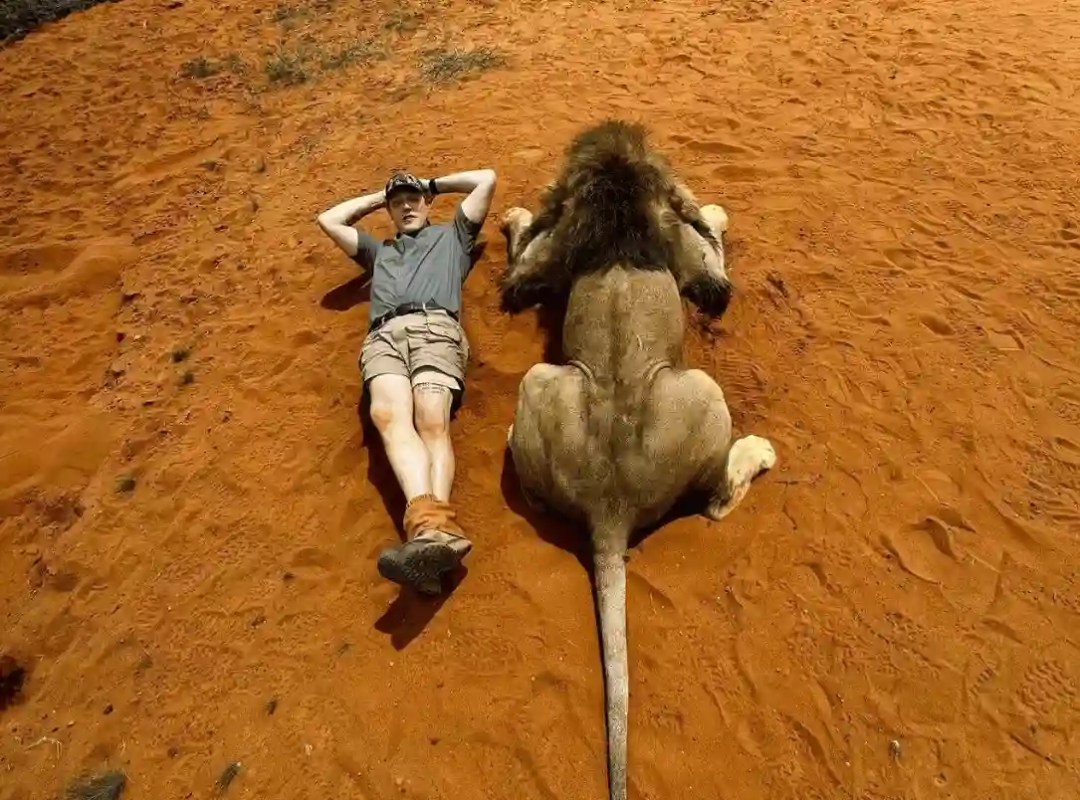
Photos that at first glance look like promotional material actually show a real killing: an American recreational hunter from Kentucky poses laughing next to a dead lion, while a second man lies on the ground in the image.
The images come from the South African outfitter Choronga Safaris, a provider specialising in big-game bowhunting with concessions in South Africa, Zambia, Botswana, Mozambique and Namibia. According to the company, the shooter is a practising doctor, which sparked additional outrage on social media: someone who saves lives professionally takes the life of a wild animal in his spare time.
The lion was killed not with a rifle but with a bow and arrow — a method considered particularly «demanding» among recreational hunters, but one that in fact carries a higher risk of an imprecise, agonisingly slow death for the animal.
Not an isolated case
The current case joins a long list of similar incidents. As early as 2015, the killing of the lion Cecil in Zimbabwe sparked worldwide outrage, and in 2021 it was Mopane, another well-known lion, in the same area that met the same fate. Such trophy hunts frequently target high-ranking, territory-holding males, whose loss destabilises entire prides: successor males often kill the predecessor's offspring in order to assert their own genetic line.
According to international trade data, more than 7,600 lion trophies were traded worldwide between 2009 and 2018, while Africa's wild population has shrunk to an estimated 20,000 adult animals.
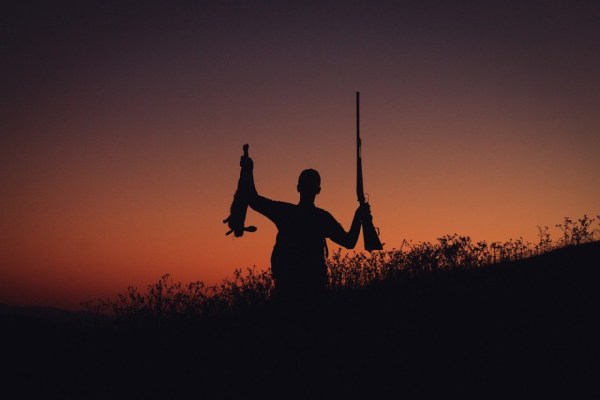
The fact that the photos from this latest case look like staged advertising shots is no coincidence, but symptomatic: the trophy hunting industry sells an experience in which the death of an endangered animal is stylised into a trophy and status symbol. Laughing over the dead animal is not a slip-up but the logical expression of a practice that consistently treats wild animals as commodities. The industry likes to justify itself with alleged income for local communities, yet studies show that only a fraction of the proceeds from trophy hunting actually reach these communities, while nature-based photo tourism demonstrably generates higher and more sustainable income — without any dead lions.
Do you have a tip, a source or a correction for this article? Write to us.
More on the subject of recreational hunting: In the dossier The Role and Criticism of Recreational Hunters we shed light on the training, power and self-image of recreational hunters. The scientific evidence is presented in the overview Studies on the Effects of Recreational Hunting.
The position of IG Wild beim Wild: IG Wild beim Wild rejects recreational hunting. Our model is the canton of Geneva, which has managed without recreational hunting since 1974: without hunting seasons, without hunting dogs, without driven hunts, without high seats, without the animal cruelty and crime that go hand in hand with hunting season elsewhere. What has worked there for over fifty years disproves every position paper by JagdSchweiz. An association that bases its policy on claims it refutes in its own documents is not a professional organisation, but a factory for misinformation.

All articles are written by IG Wild beim Wild as well as by external co-authors. Research, structuring and editorial processes may be supported by AI-assisted tools.
Support our work
With your donation you help protect animals and give their voice a hearing.
Donate now →