What is the best plant-based milk for you?
There are many reasons to look for milk alternatives. Industrial livestock farming contributes massively to climate change. An overview of plant-based milk.

There are many reasons to look for milk alternatives, even if you are not lactose intolerant.
Industrial livestock farming and the dairy sector contribute to a significant degree to climate change but generally avoid closer scrutiny, either because they do not collect information about their impact or because they fail to take credible action based on their findings.
If these companies continue as before, livestock farming alone could account for 80% of the planet's annual greenhouse gas emissions by 2050, according to a study.
Plant-based milk is vegan, generally gluten-free and contains no cholesterol like cow's milk. They are enriched with enough calcium to compete with conventional milk, but they are also less environmentally harmful than the dairy industry, which is well on its way to becoming one of the world's largest polluters.
However, since new dairy-free products appear on supermarket shelves almost every week, it is difficult to know which is the right choice for you. Should you try almond milk? Soy? Oat? Hemp? Below we introduce seven different types of milk and discuss their nutritional advantages and disadvantages, consistency and taste.
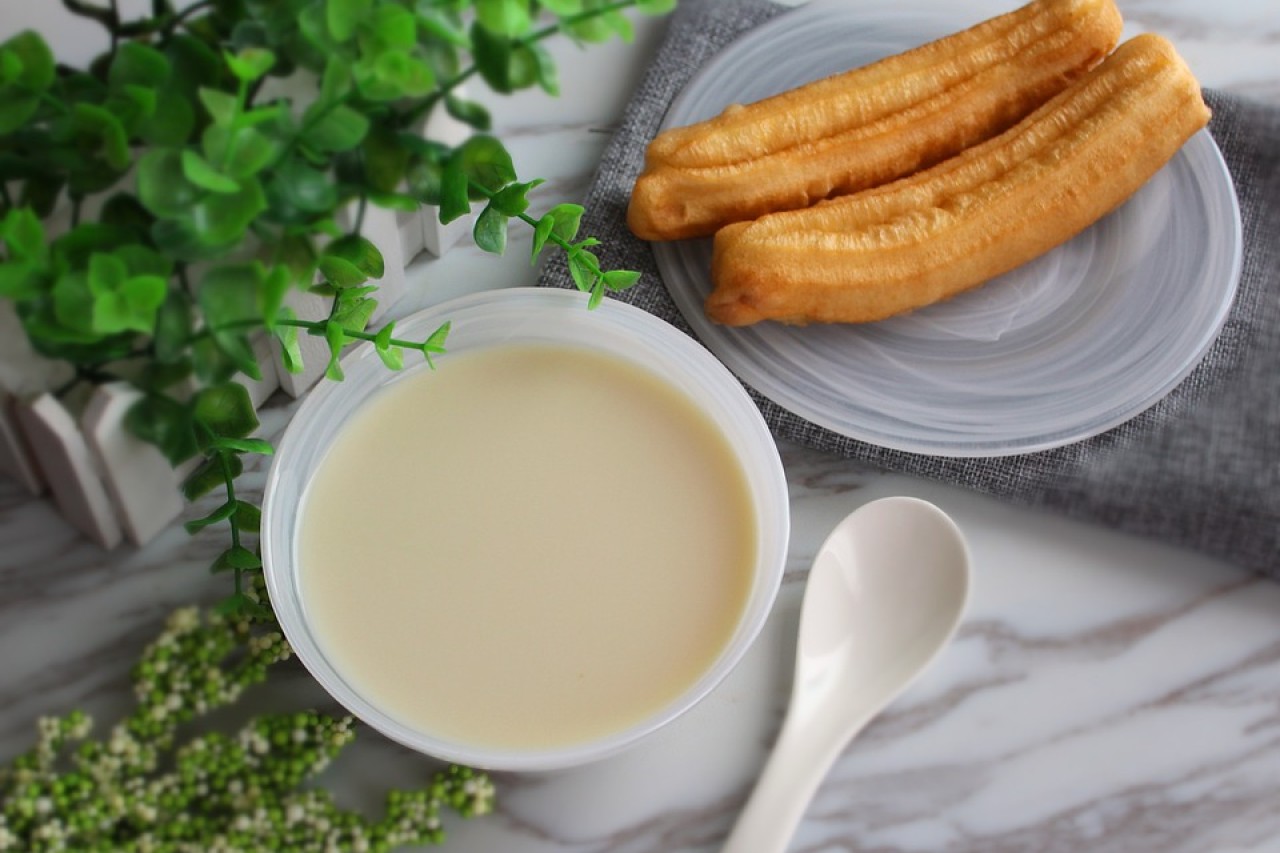
Soy milk
Soy milk is derived from soybeans, a widely cultivated legume, and is the first choice for customers with lactose intolerance. Soy milk is a nutrient-rich drink and the rare dairy-free beverage that contains the same amount of protein as cow's milk. It is arguably the most nutritious alternative to conventional dairy products, even if some people cannot stand the “beany” taste.
Coconut milk
When you grate and soak the flesh of a coconut, you get coconut milk, a creamy plant-based drink that forms the basis of many Indian dishes. Coconut milk is quite low in protein but contains many saturated fatty acids, which is why many nutritionists recommend only moderate consumption.
Almond milk
Low-calorie almond milk is one of the most popular milk alternatives on the market. Unfortunately, however, a great many nutrients are lost during production. While 30 grams of almonds contain six grams of protein, almond milk typically contains only one gram, and a large proportion of the dietary fiber as well as the monounsaturated and polyunsaturated fatty acids found in the nuts are diluted in a similar way. This is because almond milk requires a great deal of water, a point that has drawn criticism, especially when the drink is promoted as a more environmentally friendly alternative to cow's milk products.
Rice milk
Rice milk is probably the sweetest drink in the group, but also the highest in carbohydrates, as it is made from milled (usually brown) rice. While rice milk is preferred by people with nut or soy allergies, it is a poor choice for diabetics due to its high sugar content.
Oat milk
Oat milk is made from soaked and strained oats or whole rolled oats. It receives high marks for its flavor, which, thanks to its thick and creamy texture, comes close to that of conventional milk. Oat milk does not contain as much protein as soy milk, but more than almond, rice, or coconut milk. With two grams per glass, it is also rich in dietary fiber. It is high in carbohydrates and vegan, but not always gluten-free.
Pea milk
The name might suggest that pea milk is a green liquid. However, it is derived from yellow peas and tastes nothing like steamed vegetables. Pea milk is a relatively new milk alternative that has appeared in grocery stores in recent years. Its major selling point is that it contains the same proteins as cow's milk or soy milk. It also contains a lot of calcium and, depending on the brand, vitamins such as B12.
Hemp milk
Hemp milk is made from soaked and blended hemp seeds. Although hemp seeds come from the same plant as marijuana, they contain no THC. They do, however, contain omega-3 fatty acids, which gives hemp milk a nutritional advantage. Hemp milk also contains a decent amount of protein (2–4 grams per glass) and is relatively low in calories. Expect a nutty, earthy flavour and a slightly grainy texture.
Conclusion: A vegan diet is the best way to help the planet and prevent animal suffering.
| You can help all animals and our planet with compassion. Choose compassion on your plate and in your glass. Go vegan. |
More on the subject of recreational hunting: The scientific evidence is presented in the overview Studies on the Effects of Recreational Hunting.
The position of IG Wild beim Wild: IG Wild beim Wild rejects recreational hunting. Our model is the canton of Geneva, which has managed without recreational hunting since 1974: without hunting seasons, without hunting dogs, without driven hunts, without high seats, without the animal cruelty and crime that go hand in hand with hunting season elsewhere. What has worked there for over fifty years disproves every position paper by JagdSchweiz. An association that bases its policy on claims it refutes in its own documents is not a professional organisation, but a factory for misinformation.