Neuchatel permits hunting of endangered brown hares, Fribourg opens fauna fund to shooting ranges
In Neuchatel, recreational hunters may shoot brown hares on two Saturdays, while in Fribourg the fund for wild animals may in future also help finance shooting ranges.
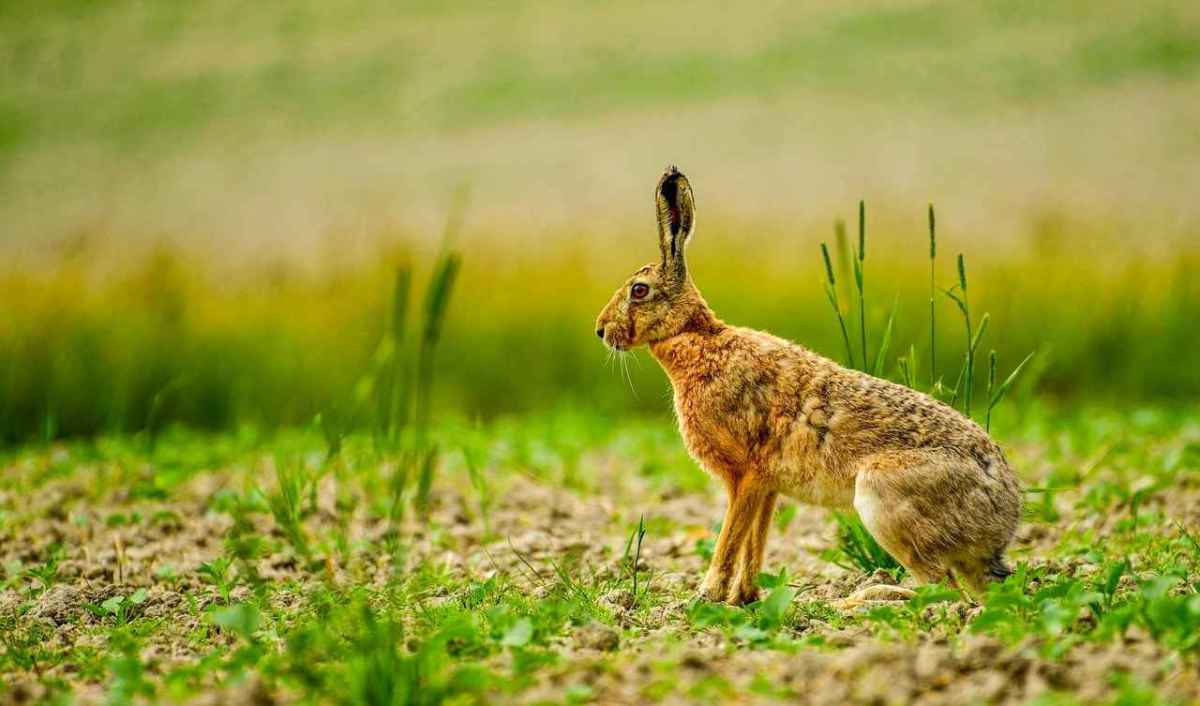
Photo: Margo Evardson / Unsplash
What We Miss
In the canton of Neuchatel, the roe deer hunt has been under way since 1 October, and the brown hare hunt follows on 24 and 31 October. In the neighbouring canton of Fribourg, the Grand Council has decided that the fauna fund may in future also help finance shooting ranges for recreational hunters. The two cases raise the question of how much weight the protection of endangered species and their habitats carries against the interests of recreational hunting.
Neuchatel: “stability” according to the hunters' association
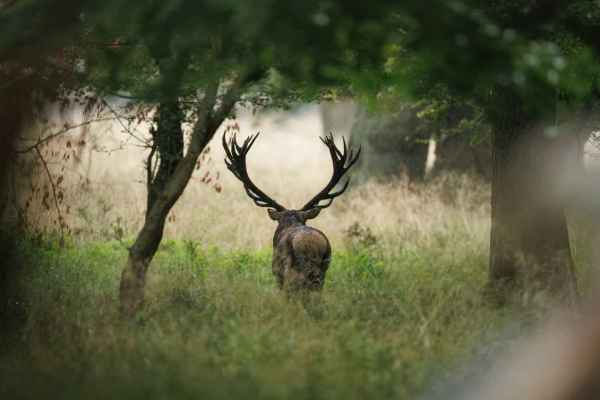
Radio RTN reported on 9 October that around 160 permits for the roe deer hunt had been issued. By 9 November, about 300 roe deer would be killed, a figure that has been stable for several years. These figures come from Gilles Walder, president of the Fédération des chasseurs neuchâtelois, not from the canton.
The official kill figures are relevant for comparison with this assessment. According to the 2025 report of the cantonal Office for Fauna, Forests and Nature, 163 people took out a roe deer hunting licence and killed 312 roe deer. In the previous year there were 153 licences and 270 roe deer. Whether the kills were stable over several years can only be judged from the longer time series. In any case, kill figures say little about the population itself.
According to the Council of State's hunting decree for 2026/27, each recreational hunter may shoot two adult roe deer, one male and one female. A young animal may replace an adult at any time. In addition, up to 40 supplementary tags at 85 francs are available for areas with “problematic browsing damage”. For a critical assessment of the browsing-damage justification, see our dossier on the browsing-damage narrative.
In 2025, 82 roe deer killed in road traffic and three roe deer taken as lynx prey were also reported. More on the situation of the species in the Roe Deer Dossier.
Brown hare and woodcock: Red List species in the crosshairs
Neuchatel opens the brown hare season on Saturdays 24 and 31 October. One hare is permitted per licence. Only shot may be used, and only in forests, pastures and permanent meadows; six sectors remain closed. In 2025, 43 people bought a hare licence and killed 14 brown hares.
Although the brown hare is classified as vulnerable (VU) on the Red List of Mammals compiled by FOEN and info fauna, Neuchatel continues to allow it to be hunted. The Red List justifies the classification by noting that populations are still declining. How hare hunting is regulated in Grisons, Ticino and Valais is shown in our article on small game hunting 2026. Background information is provided by the Brown Hare Dossier.
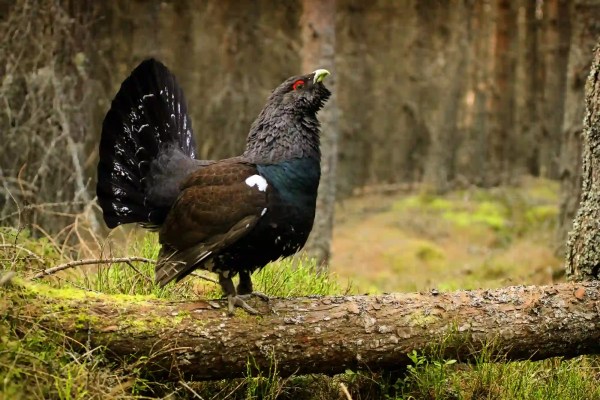
The woodcock, too, is classified as vulnerable on the Red List of Breeding Birds. In Neuchatel it may be hunted from 19 October to 14 December, with up to 15 birds per recreational hunter per season. In 2025, 58 woodcocks were killed.
Feeding ban with an exception for maize bait
The hunting order prohibits feeding wild animals and putting out salt licks. Anyone who breaks this rule loses their licence on the spot. The exception is maize as bait during the special wild boar hunt from authorised high seats. This hunt takes place from 1 July to 30 September, and no more than 500 grams of maize may be on the ground at any one time.
Four wild boars are permitted per person. After each kill, a further tag can be obtained, up to a maximum of four additional ones. In 2025, recreational hunters killed 267 wild boars, plus 46 culls carried out as population control. For damage to crops and meadows, the canton paid 118,743 francs in 118 cases. Together with prevention, contracts with farmers and expert reports, the costs came to 186,836 francs. Why greater hunting pressure tends to aggravate the problem is explained in the Wild Boar Dossier.
For wild boar hunting, the free use of dogs is generally permitted from 1 October to 9 November, although specific area restrictions remain in place. Earth hunting with specially trained dogs is also permitted. On the canton's hunting culture, see also Psychology of recreational hunting in the canton of Neuchatel.
Fribourg: wildlife fund for shooting ranges
In the canton of Fribourg, on 9 October 2026 the Grand Council passed the revision of the laws on hunting, fishing and nature and landscape protection by 96 votes to 0. The new Article 39, paragraph 1, letter d of the Hunting Act allows funds from the Fonds de la faune to be used to subsidise shooting ranges for the training of hunters. A motion by SP Grand Council member Grégoire Kubski on this provision was defeated by 28 votes to 66, with 5 abstentions.
The law is subject to an optional referendum, and the Council of State will determine when it enters into force. No concrete contributions have been approved yet. According to the explanatory report of the Council of State, they may cover the construction, maintenance or operation of the facilities, with the amount set through the budget.
The trigger was a parliamentary question on the shortage of shooting ranges. The Council of State had initially declined: it was under no legal obligation to provide support. According to «La Liberté», the canton already pays 13,000 francs towards shooting training. Taxpayers, moreover, already bear an annual deficit from recreational hunting of around 60,000 francs.
WWF Fribourg rejected the change in its consultation response of 16 March 2026. The fund is already underfunded, it argued. For years, not a single franc from it has gone towards creating habitats for wild animals. The technical report on the cantonal biodiversity strategy had recommended restoring the fund, not burdening it further. If the state wants to promote shooting ranges, it should do so through the ordinary budget.
The revision brings a further relaxation. In future, the directorate may withdraw hunting rights for a maximum of five years, and the previous minimum period of one year is dropped. The wish list of Fribourg's recreational hunting lobby is thus far from exhausted, as our article on the planned ibex hunt shows.
Context
What RTN presents as "stability" is the association's view. What is chiefly stable is the hunting of two Red List species. Anyone who opens a hare classed as vulnerable to being shot on two Saturdays is placing the tradition of recreational hunting above species protection.
The president of the Neuchatel recreational hunters says the consequences of this summer's drought can only be assessed at the end of the season at the earliest. Anyone arguing this way would have to reduce the kill quotas as a precaution. The canton is sticking to them.
In Fribourg the same logic applies to money. Marksmanship is a duty of those who take up a weapon, and its costs belong to their hobby. A fund that is meant to create habitats for non-human animals may now subsidise shooting ranges. At the same time, taxpayers cover the deficit of recreational hunting. Once again, the bill is presented to the general public. What recreational hunting costs Switzerland as a whole is shown in our dossier What recreational hunting really costs Switzerland.
More on the subject of recreational hunting: In the dossier The Role and Criticism of Recreational Hunters we shed light on the training, power and self-image of recreational hunters. The scientific evidence is presented in the overview Studies on the Effects of Recreational Hunting.
The position of IG Wild beim Wild: IG Wild beim Wild rejects recreational hunting. Our model is the canton of Geneva, which has managed without recreational hunting since 1974: without hunting seasons, without hunting dogs, without driven hunts, without high seats, without the animal cruelty and crime that go hand in hand with hunting season elsewhere. What has worked there for over fifty years disproves every position paper by JagdSchweiz. An association that bases its policy on claims it refutes in its own documents is not a professional organisation, but a factory for misinformation.
Wild animals need a voice
Once a week: research, petitions and background information on recreational hunting. Free of charge and can be unsubscribed from at any time.

All articles are written by IG Wild beim Wild as well as by external co-authors. Research, structuring and editorial processes may be supported by AI-assisted tools.
Support our work
With your donation you help protect animals and give their voice a hearing.
Donate now →