COP31: 25 states back wild animals as climate protection, Switzerland absent
Andorra and Monaco support the declaration at the UN climate conference, while Switzerland continues to have wolves shot.
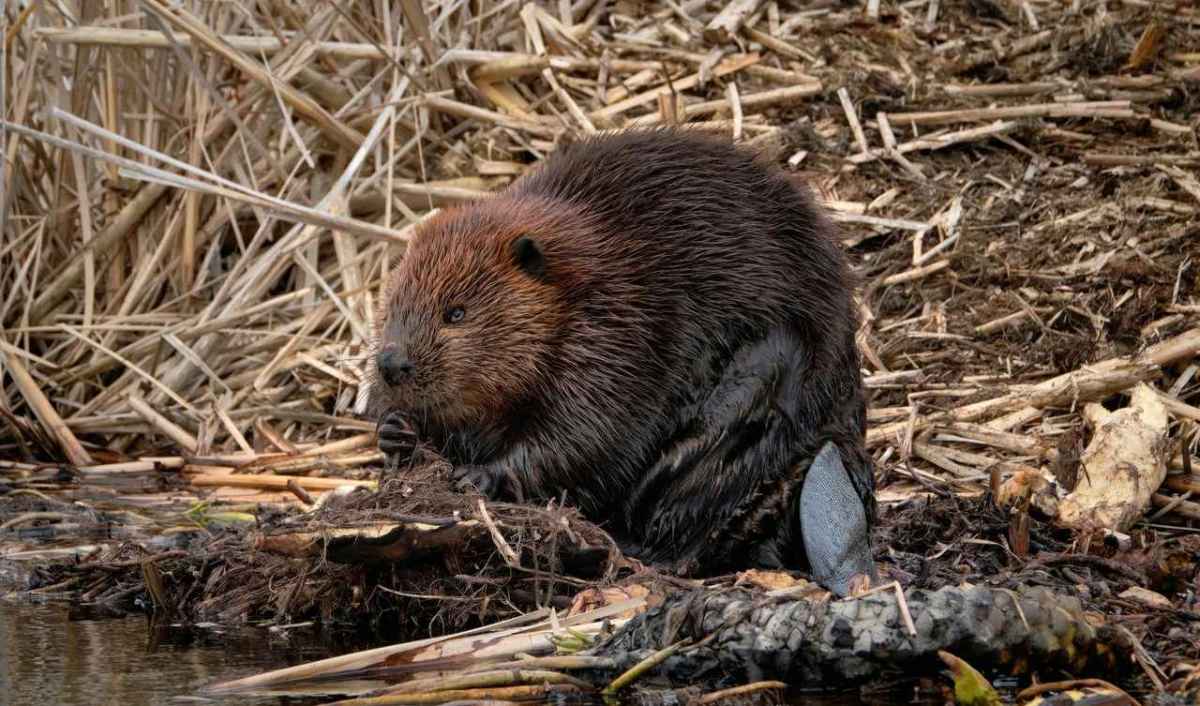
Photo: Howard Walsh / Unsplash
What It Builds
At the 31st UN Climate Change Conference (COP31) in Antalya, Turkey, 25 states launched the “Wildlife for Climate Declaration”. They commit to protecting, conserving and restoring wildlife populations and their habitats as part of climate policy. Switzerland does not support the declaration.
What the declaration demands
The declaration was officially presented on 16 November. According to the statement by the animal welfare organisation IFAW, it calls on the parties to the UN Framework Convention on Climate Change to recognise the role of wild animals in natural carbon stores, to combat the overexploitation of animals, to protect and connect habitats, and to include these measures in their national climate and biodiversity plans. The text was initiated by African governments, above all Zimbabwe.
The declaration is backed by, among others, Brazil, Kenya, Zimbabwe, Zambia, Madagascar, Panama and Fiji. From Europe, Andorra and Monaco are on board, and depending on how Europe is defined, Armenia too. No EU member state and no neighbouring country of Switzerland is on the list. According to Eurogroup for Animals, this is the first time that several governments have jointly called, at a climate conference, for the protection of wild animals to be recognised as climate protection.
How wild animals help to store carbon
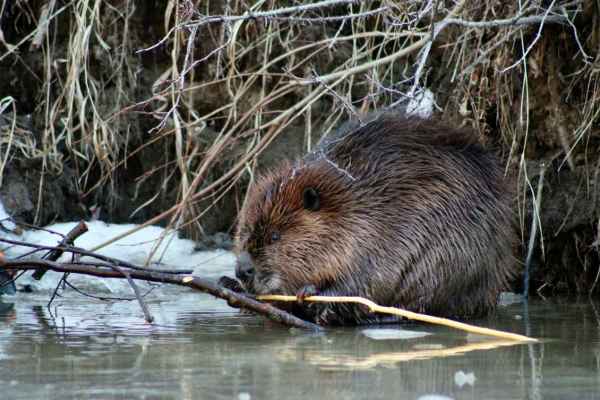
The basic idea: wild animals are not just victims of the climate crisis, they also help shape the ecosystems that store carbon. They spread seeds, distribute nutrients and, through browsing and predators, influence how forests, meadows and wetlands grow. One example from the statement by way of explanation: forest elephants trample small trees and thereby make room for large, slow-growing trees that store particularly large amounts of carbon. Forests in the Congo Basin that have elephants therefore store around 7 per cent more carbon than forests without them. In Europe, the beaver shows how wild animals shape landscapes: its dams hold back water and allow wetlands to form.
Behind the declaration stands a scientific consensus, presented in Bonn in June and now supported, according to IFAW, by more than 350 researchers from 47 countries. It calls for wild animals to be explicitly included in climate policy. The European Parliament recognised the role of wild animals in climate protection on 22 October in its resolution on COP31. How global warming itself is affecting wild animals in Switzerland is shown in our articles “Climate change and wild animals in the Alps” and “What does climate change mean for wild animals?”.
Switzerland in Antalya
Switzerland is represented at a high level in Antalya. According to Federal Office for the Environment (FOEN), Albert Rösti, head of the Federal Department of the Environment, Transport, Energy and Communications (DETEC), will represent the country at ministerial level in the second week of negotiations, while the delegation is led by Environmental Ambassador Felix Wertli. For Switzerland, the focus is on implementing the climate targets of the Paris Agreement and on greenhouse gas emissions. It does not appear on the list of countries that recognise wild animals as part of climate protection.
At home, policy is pointing in the opposite direction. Since 1 September 2026, at least 57 wolves have been killed preventively in Switzerland, plus one reactive single kill in Valais (as of 19 November). The FOEN, which belongs to Rösti's department, has granted 43 approvals for preventive regulation affecting 39 packs. Our counter keeps the figures by canton and pack: “Wolf Kills Switzerland 2026/27”. In addition, Rösti has struck the federal funds for climate-resilient forests from the financial plan, and from 2027 they are to be dropped entirely. Meanwhile, red deer and roe deer are being blamed for browsing damage (“Federal government cuts climate funding for forests”).
Comment: taking wild animals seriously as part of the solution
The Antalya Declaration is not legally binding, and even its initiators do not implement it consistently in their own countries. Yet it shows where the debate is heading: away from the wild animal as pest, competitor or hunting quarry, towards the wild animal as part of the solution. Predators such as the wolf can reduce browsing damage locally, as the role of predators for the Swiss forest shows. Switzerland, which feels the consequences of climate warming in the Alps acutely, would have every reason to strengthen this approach.
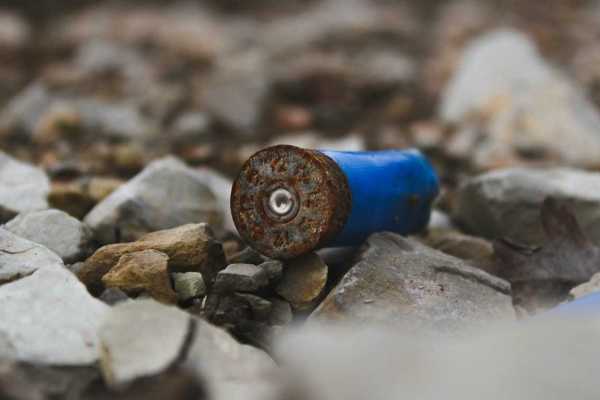
Instead, the Confederation is running on two tracks: in Antalya it promotes climate targets, while at home it approves one kill after another and treats wild animals as a problem to be solved with a shotgun. That the EU states are also absent does not let Switzerland off the hook. Anyone who backs the declaration should be judged by it. Measured against the Confederation's wolf and recreational hunting policy, this commitment could hardly be honoured.
Do you have a tip, a source or a correction for this article? Write to us.
More on the subject of recreational hunting: What the research says about this is shown by Hunting fact-checked: the state of research.
The position of IG Wild beim Wild: IG Wild beim Wild rejects recreational hunting. Our model is the canton of Geneva, which has managed without recreational hunting since 1974: without hunting seasons, without hunting dogs, without driven hunts, without high seats, without the animal cruelty and crime that go hand in hand with hunting season elsewhere. What has worked there for over fifty years disproves every position paper by JagdSchweiz. An association that bases its policy on claims it refutes in its own documents is not a professional organisation, but a factory for misinformation.
Wild animals need a voice
Investigations, petitions and background on recreational hunting. As a thank-you, you will immediately receive our free guide «Recreational hunting on your doorstep: what you can do».
Support our work
With your donation you help protect animals and give their voice a hearing.
Donate now →