EU bans lead shot from 2033, lead bullets remain exempt
The European Commission adopted the restriction under the REACH chemicals regulation on 16 November, with a transition period of just over seven years.
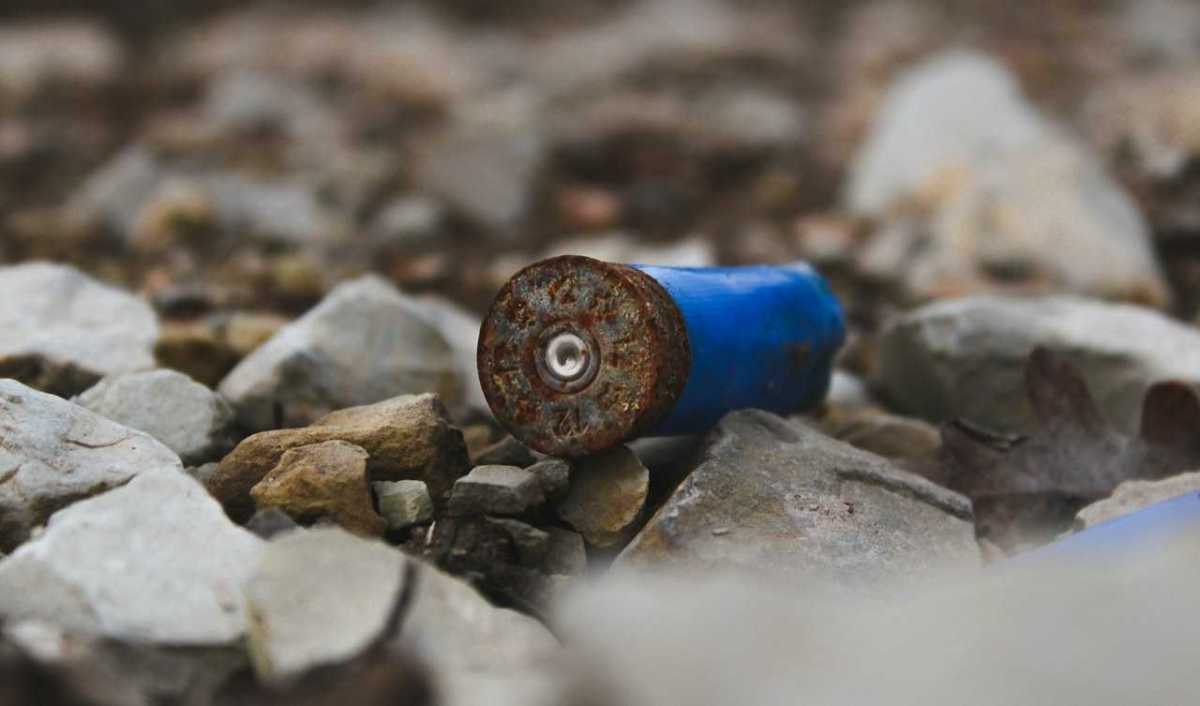
Photo: James Kovin / Unsplash
Lead on the Wind
On 16 November 2026, the European Commission adopted the ban on lead-containing shot and announced it on 17 November. From 7 December 2033, the sale and use of shot with a lead content of 1 per cent by weight or more will in principle be prohibited. Rifle bullets and shotgun slugs, which recreational hunters use to shoot roe deer, red deer and wild boar, are not covered by the new rules.
What the committee decided
The legal basis is the EU chemicals regulation REACH. According to estimates by the European Chemicals Agency ECHA, on which the Commission bases its decision, the restriction should prevent around 550,000 tonnes of lead being released over 20 years, thereby protecting some 1.1 million children and 156 million birds from lead exposure. Military and security forces are exempt, as is sport shooting on ranges equipped with suitable facilities that retain the lead.
On 12 November, the Commission had already restricted lead in fishing weights and lures. The rule restricts the placing on the market and commercial use of certain lead-containing fishing tackle. Use in recreational fishing is not covered by the EU restriction; member states may restrict it nationally.
Seven years' transition, bullets exempt
Since 16 February 2023, firing lead shot in wetlands and within 100 metres of them has been prohibited. Carrying it there during wetland hunting and on the way to it is also forbidden (Regulation 2021/57). The new EU rule restricts sale and use regardless of proximity to wetlands. The Commission had originally proposed considerably stricter rules and shorter transition periods, as reported by topagrar following the vote by the Member States in June. The outcome is a transition period of a good seven years and a ban that covers only shot. Rifle bullets and shotgun slugs are not affected, as the NABU notes.
How the recreational hunters' lobby works against lead bans in Brussels is something Wild beim Wild has examined using the example of FACE.
Why the gap in the rules on bullets matters
Lead-containing rifle bullets can fragment on impact, scattering splinters throughout the animal's body. What recreational hunters leave behind in the forest after gutting is eaten by scavengers such as golden eagles and bearded vultures. How dangerous this is for bearded vultures in the Alpine region is shown in the article Bearded vulture record: lead from recreational hunting remains dangerous. Lead also ends up in game meat, as described in the article on Venison salsiz and game salami. The state of research on this is set out on the page Hunting Fact Check.
The EU regulation does not apply directly in Switzerland. In Germany and Austria, shot containing 1 per cent or more lead by weight will no longer be permitted for recreational hunting from 7 December 2033 under the new EU rule.
Comment: A late ban and an open loophole
Nobody disputes that lead is toxic. Lead-free ammunition has been available for years. Even so, outside the wetlands that are already protected, the new restriction does not take effect until December 2033, and lead-containing rifle bullets remain entirely untouched by it. This is not consistent nature conservation but consideration for a hobby. As a result, the EU leaves one source of contamination open: scavengers such as golden eagles and Bearded vulture can ingest lead fragments from the remains of animals that have been shot.
More on the subject of recreational hunting: What the research says about this is shown by Hunting fact-checked: the state of research.
The position of IG Wild beim Wild: IG Wild beim Wild rejects recreational hunting. Our model is the canton of Geneva, which has managed without recreational hunting since 1974: without hunting seasons, without hunting dogs, without driven hunts, without high seats, without the animal cruelty and crime that go hand in hand with hunting season elsewhere. What has worked there for over fifty years disproves every position paper by JagdSchweiz. An association that bases its policy on claims it refutes in its own documents is not a professional organisation, but a factory for misinformation.
Wild animals need a voice
Once a week: investigations, petitions and background on recreational hunting. As a thank-you, you will immediately receive our free guide “Recreational hunting on your doorstep: what you can do”. Free of charge and you can unsubscribe at any time.
Support our work
With your donation you help protect animals and give their voice a hearing.
Donate now →