Wolf packs are endangered by human interventions
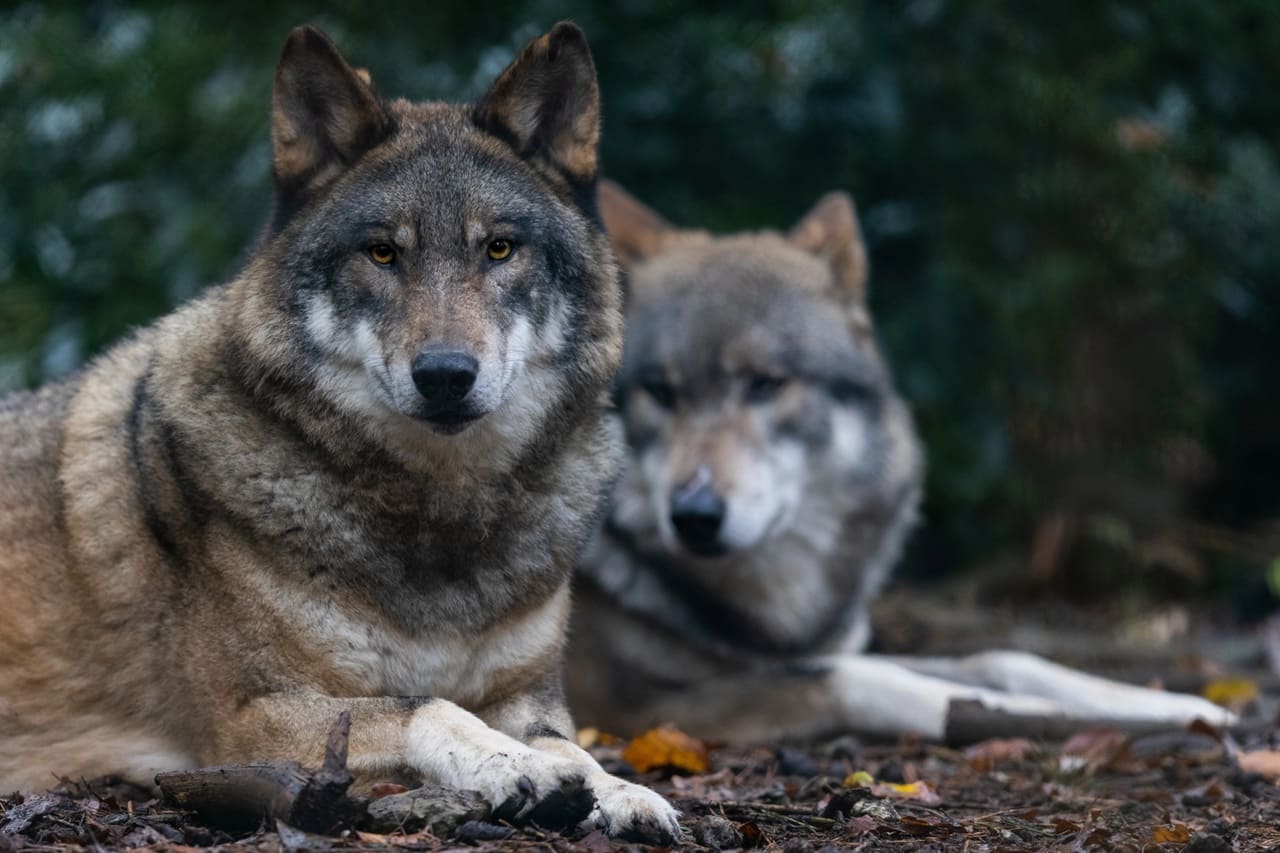
Human interventions destabilize wolf packs. Recreational hunting has negative effects on the reproduction and survival of wolf populations.


Human-caused mortality destabilizes packs
A new study sheds new light on the impact of humans on wolf populations.
The researchers found that human-caused mortality leads to instability in wolf packs. In particular, the team found that human activities such as recreational hunting have negative effects on the reproduction and survival of wolf populations.
«Although our study focused on gray wolves living primarily within national parks and protected areas, we documented a high level of human-caused mortality. Particularly concerning is that these deaths had negative effects on the biological processes within gray wolf packs,» the researchers write.
Death of pack leaders with severe consequences
«For gray wolves, the biological unit is the pack or the family. We found that the probability of a pack surviving and reproducing decreased as the number of human-caused deaths increased,» said lead author Kira Cassidy.
The study found that the probability of a pack remaining together until the end of the year decreased by 27% following a human-caused death, while the reproductive rate dropped by 22%. Even more severe were the effects when a pack leader died: the pack's probability of survival dropped by 73%, and the reproductive rate declined by 49%. Recreational hunting fails as population control.
The study was published in the journal Frontiers in Ecology and the Environment.
| You can help all animals and our planet with compassion. Choose compassion on your plate and in your glass. Go vegan. |
More on the subject of recreational hunting: In the dossier The Role and Criticism of Recreational Hunters we shed light on the training, power and self-image of recreational hunters. What the research says about this is shown by Hunting fact-checked: the state of research.
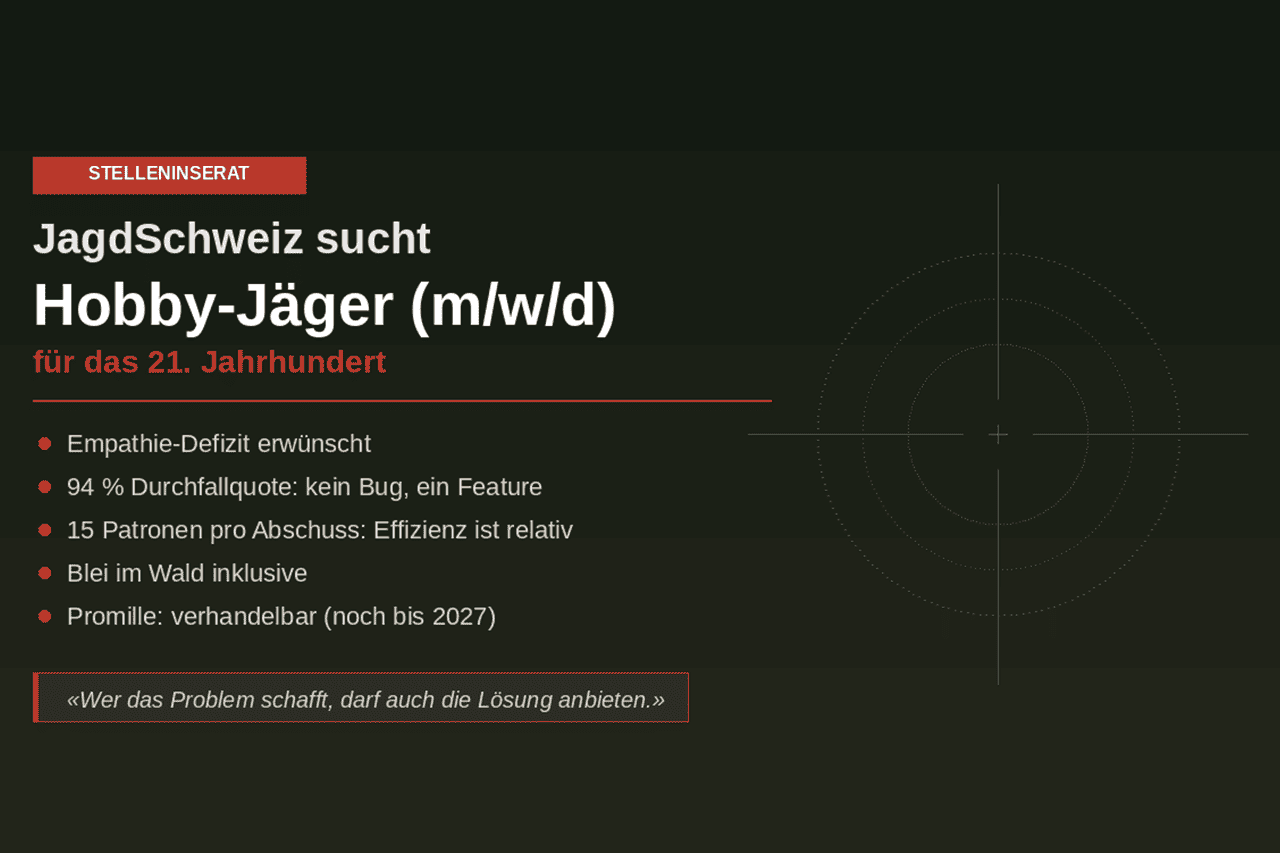
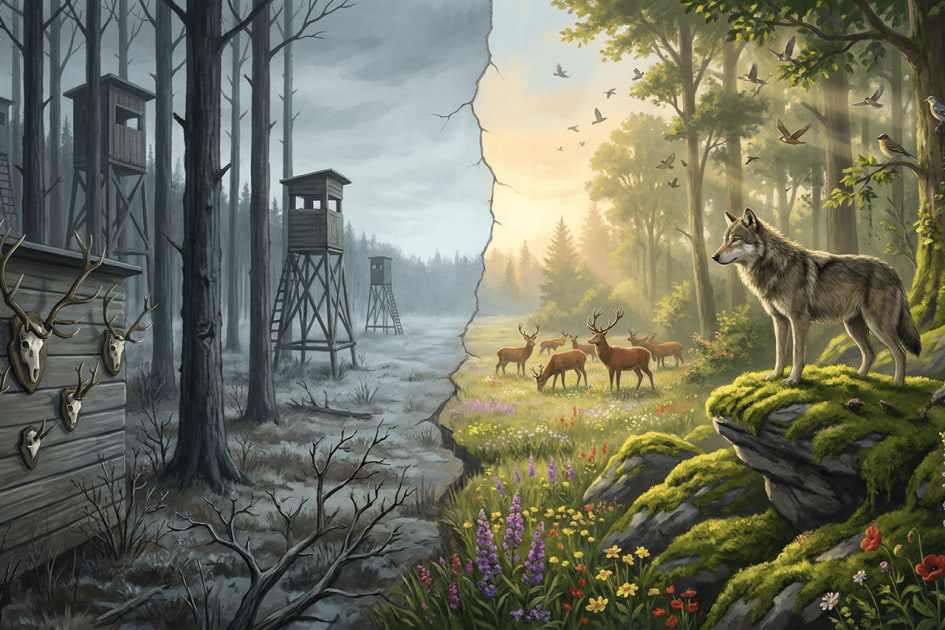
The position of IG Wild beim Wild: IG Wild beim Wild rejects recreational hunting. Our model is the canton of Geneva, which has managed without recreational hunting since 1974: without hunting seasons, without hunting dogs, without driven hunts, without high seats, without the animal cruelty and crime that go hand in hand with hunting season elsewhere. What has worked there for over fifty years disproves every position paper by JagdSchweiz. An association that bases its policy on claims it refutes in its own documents is not a professional organisation, but a factory for misinformation.