Study: Cow's milk is sustainably unhealthy
Every year on June 1st, World Milk Day is celebrated.

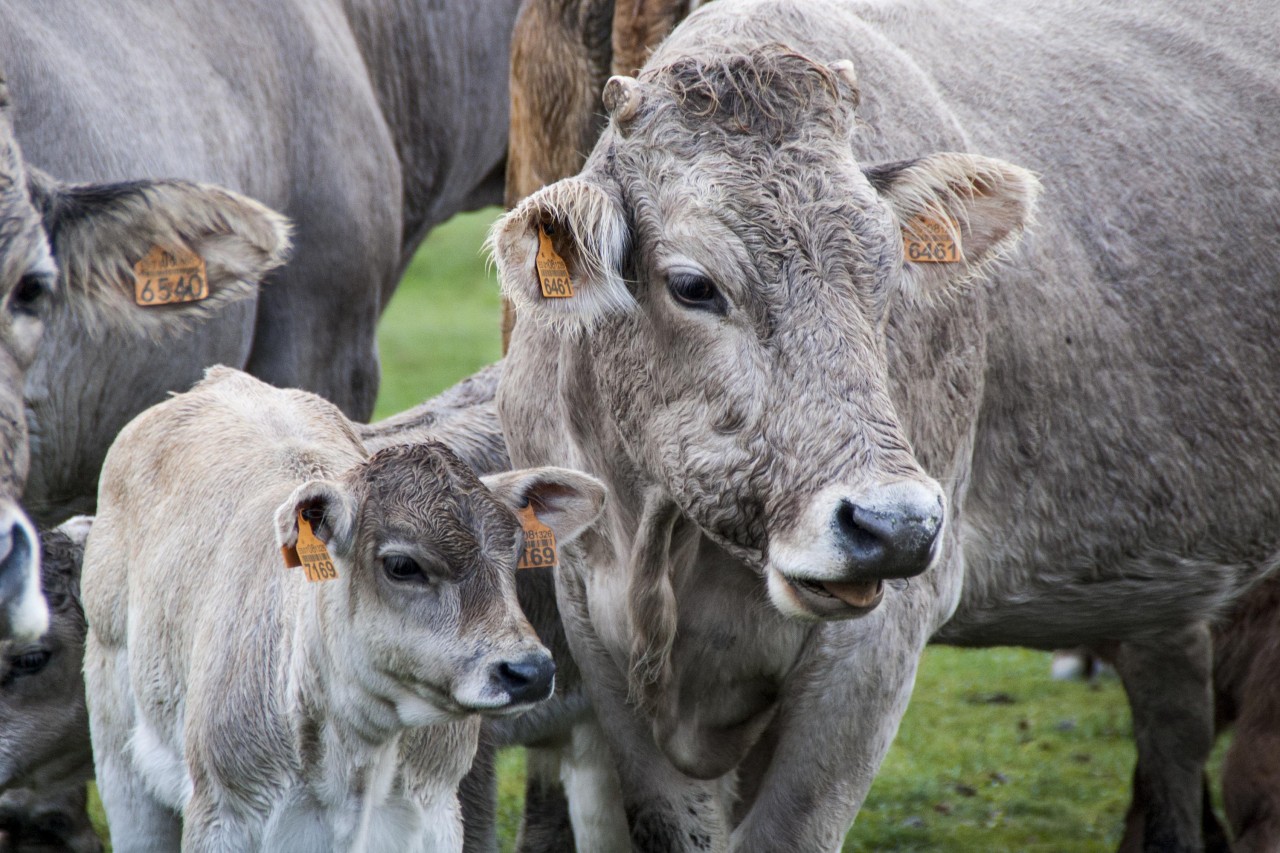
Cow's milk is increasingly falling out of favour with Swiss consumers.
One possible reason cited for the downward trend in cow's milk consumption — which has long ceased to be a local, natural product — is the growing popularity of plant-based and therefore animal-friendly alternatives, such as organic oat, soy, and almond drinks.
In the average of the years 2000/02, approximately 84.63 kg of cow's milk was still consumed per capita of the Swiss population; since then, this figure has sensibly dropped to below 50 kg (as of 2019).
The carbon footprint of the oat-based alternative amounts to almost a declaration of war on the dairy industry. Swedish producer Oatly, for example, reports a CO2 emission of 0.29 kilograms for the production of one kilogram of its oat drink. Cow's milk, by contrast, has a footprint of at least 0.9 kilograms of CO2 according to various sources, making it roughly three times worse in terms of its climate impact.
The claims on the advertising posters (“Lovely”) by Swissmilk and on the Swissmilk website are regularly and clearly incorrect and misleading from a professional standpoint.
Nitrogen surpluses from milk production also damage biodiversity, and 14% of dairy cows never see a pasture during their entire productive lives. It is unnatural for humans to drink today's health-damaging white liquid, which contains environmental toxins, antibiotics, bacteria, chemicals, and more — and the animals suffer from it too.
Demand is exploding
„Milk makes tired men lively”, as the saying went in the 1980s. At the time, this referred exclusively to the breast milk of cows. Nobody was yet thinking of soy, rice, or oat milk. For the sake of alliteration, only men were mentioned. “Milk makes it happen”, went the slogan a few years later, aimed at reaching women as well. At the time, cow's milk was credited with the health benefit of preventing osteoporosis thanks to its high calcium content.However, as many independent studies have since demonstrated, this claim simply isn't true.Cow's milk also has a high proportion of saturated fatty acids, which raise blood lipid levels and thus the risk of cardiovascular disease. Studies show that cow's milk increases the risk of breast cancer. In addition, cow's milk consumption is also associated with a significantly increased risk of prostate cancer.
Federal spending on the promotion of animal products is almost five times higher than that for plant-based products (39 versus 8 million francs). This means that the federal government is supporting the massive consumption of unhealthy animal products with public funds, even though their production largely depends on ecologically unsound imported feed.
Market observers forecast the global oat milk market to exceed two billion US dollars by 2026 — with double-digit growth rates. In recent years, Migros has also seen growth rates in the double-digit percentage range. Over the past ten years, sales at Coop have even tripled.
More on the subject of recreational hunting: The scientific evidence is presented in the overview Studies on the Effects of Recreational Hunting.
The position of IG Wild beim Wild: IG Wild beim Wild rejects recreational hunting. Our model is the canton of Geneva, which has managed without recreational hunting since 1974: without hunting seasons, without hunting dogs, without driven hunts, without high seats, without the animal cruelty and crime that go hand in hand with hunting season elsewhere. What has worked there for over fifty years disproves every position paper by JagdSchweiz. An association that bases its policy on claims it refutes in its own documents is not a professional organisation, but a factory for misinformation.