Federal Council wants to relax protection of wolf and bear
In 2016, the Federal Council wanted to relax the protection of wolf, bear and other protected animal species. What began as a consultation led, via the popular “No” of 2020, to preventive pack regulation from 2025 onwards. The full arc.
It proposes that wildlife populations may be culled, provided the wild animals cause major damage, endanger people or threaten biodiversity.
Problems have existed ever since predators began reclaiming habitat in Switzerland. Livestock keepers in mountain regions in particular struggle with the wolf, as animals are repeatedly killed. Bears occasionally cause problems because they lose their shyness and approach settlements. A revision of the hunting act is intended to defuse these conflicts. On Wednesday the Federal Council opened the consultation on it.
In future the authorities are to be able not only to authorise the killing of individual animals of protected species, but also to permit the culling of entire populations. The condition would be that the animals threaten habitats or biodiversity, endanger people or cause major damage that cannot be averted with reasonable effort.
Responsibilities would also be redistributed. Today the Federal Office for the Environment (FOEN) must approve a kill. In future the Federal Council would designate those animal species whose populations may be regulated. The decision as to whether the protected animals may actually be killed would then lie with the cantons. Concrete damage would no longer have to be proven. However, the killings must not endanger the population.
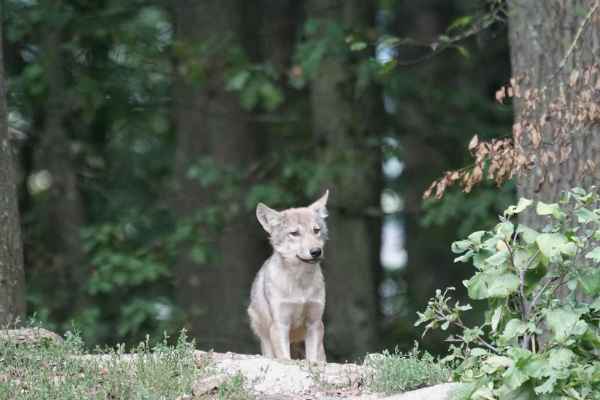
The wolf is expressly mentioned in the draft legislation, even though under the Bern Convention it is one of the strictly protected animal species. Exceptions are, however, possible in the interest of public safety or to prevent serious damage. As early as 2013, the Federal Council obtained assurances that population regulation would, under certain circumstances, be compatible with the convention.
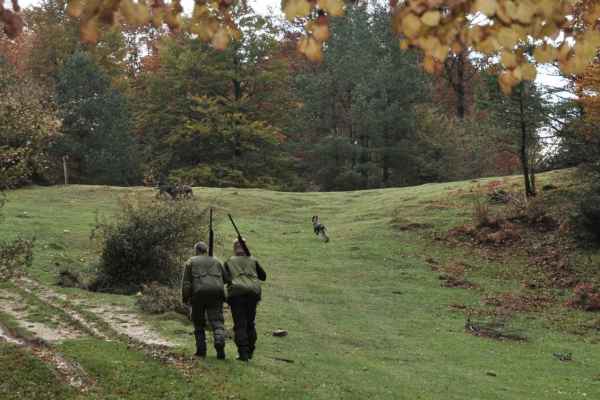
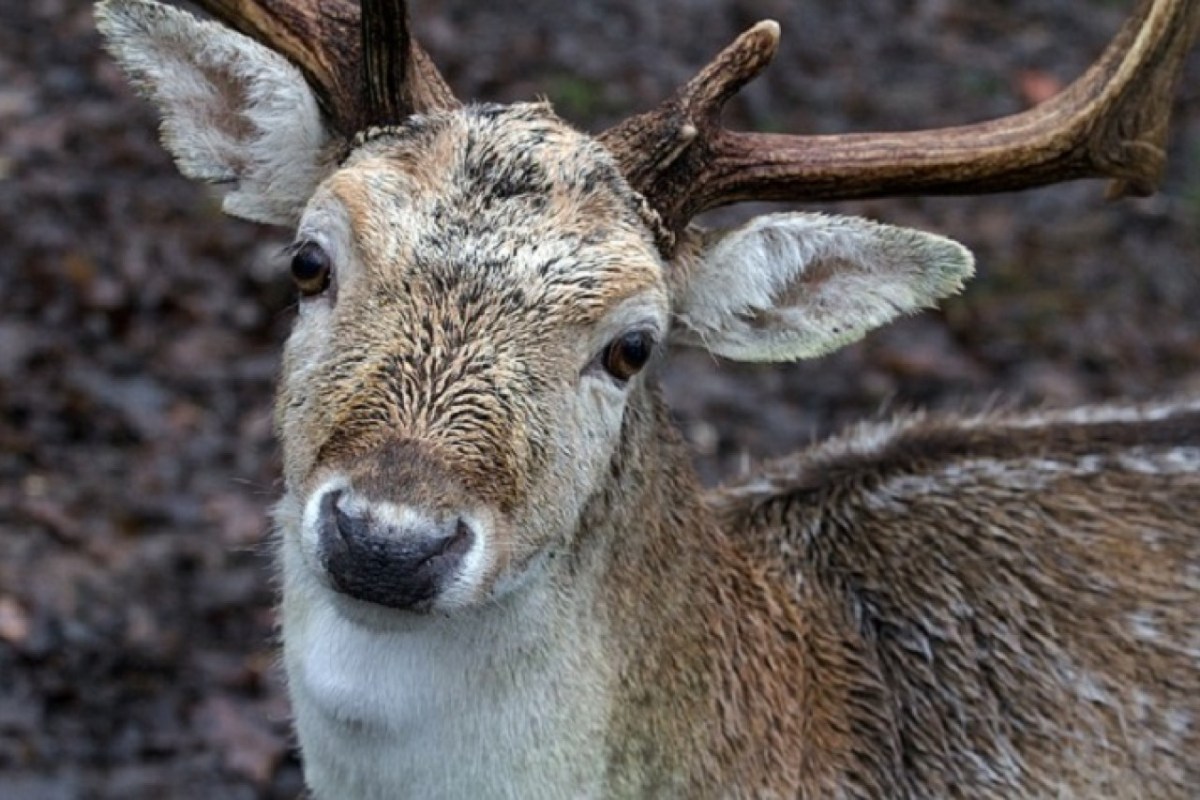
The revision of the hunting act is also intended to adjust the closed seasons. All native species are to be granted a closed season, while non-native species such as fallow deer, sika deer and mouflon could be hunted all year round. According to the draft, the closed seasons for wild boar and cormorant would be shortened. The grey partridge and the great crested grebe would be newly placed under protection, while the rook could newly be hunted.
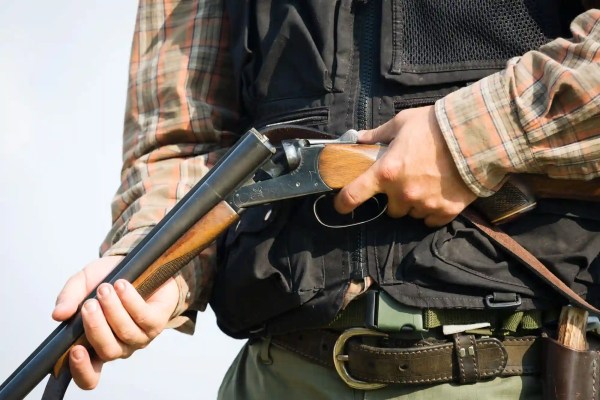
Finally, the Federal Council proposes a certain standardisation of the hunting authorisation. This will continue to be granted by the cantons and permits the exercise of hunting within a canton. A prerequisite is a passed hunting examination. The examination topics—species and habitat protection, animal welfare, as well as the handling of firearms and accuracy of aim—are to be newly standardised in content and mutually recognised by the cantons.
The revision was triggered by various parliamentary motions. Among them are the Engler motion, which calls for population regulation, and the Fournier motion, which aims at an adjustment of the Bern Convention.
How it went on: Ten years of dispute over the hunting act
The consultation launched in 2016 turned into a decade of political dispute. On 23 August 2017, the Federal Council adopted the dispatch on the partial revision of the hunting act. Parliament subsequently relaxed the protection of the wolf more strongly than the Federal Council had originally proposed. Environmental and animal welfare associations launched a referendum, which came about with around 58,000 signatures.
On 27 September 2020, the Swiss electorate rejected the revised hunting act at the ballot box. For the time being, the previous rules on dealing with the wolf therefore remained in place. But the dispute was not over: on the basis of the Engler motion, Parliament set in motion a renewed revision, which this time was not subject to a referendum.
Since 1 February 2025, the preventive regulation of entire wolf packs has become possible, even before any damage has occurred. Precisely this extension from individual animals to entire populations, which the Federal Council first proposed in 2016, has thus become applicable law. In the 2025/26 monitoring year, around 43 packs and about 350 wolves were recorded in Switzerland, while between February 2025 and January 2026 a total of 89 wolves were shot, often juveniles.
The pressure on the protected status continues. On 24 June 2026 the Federal Council opened a further consultation, under which problem wolves could in future be shot year-round and also in federal hunting-free reserves, even during the breeding season from February to May. The consultation runs until 16 October 2026. What began in 2016 as «defusing conflicts» has developed into a step-by-step lowering of protection for predators. How the return of the wolf affects nature is shown in the article «No wolf, no forest: what predators mean for Switzerland». How questionable many of the cited kill accusations are is examined in «Wolf or dog? Why many ‹wolf attacks‹ are never proven».
More on the subject of recreational hunting: In the dossier The Role and Criticism of Recreational Hunters we shed light on the training, power and self-image of recreational hunters. What the research says about this is shown by Hunting fact-checked: the state of research.
The position of IG Wild beim Wild: IG Wild beim Wild rejects recreational hunting. Our model is the canton of Geneva, which has managed without recreational hunting since 1974: without hunting seasons, without hunting dogs, without driven hunts, without high seats, without the animal cruelty and crime that go hand in hand with hunting season elsewhere. What has worked there for over fifty years disproves every position paper by JagdSchweiz. An association that bases its policy on claims it refutes in its own documents is not a professional organisation, but a factory for misinformation.