
Template text: No kill bounties for wild animals
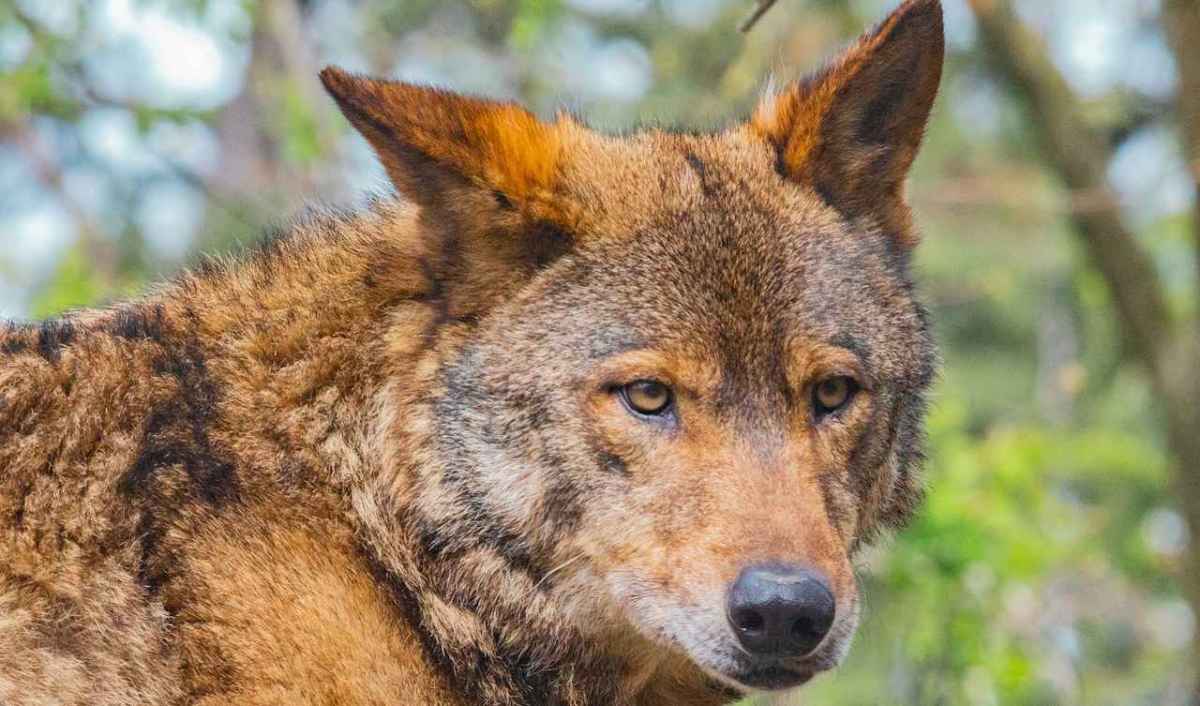
The canton (………) shall pay no bounties, flat-rate fees or payments in kind for the killing of wild animals. Where an intervention in a wildlife population is legally permissible, it shall be carried out by the cantonal wildlife wardens as part of their ordinary duties. Payment linked to the death of an animal creates a false incentive and has no place in a modern wildlife policy.
1. Motion
The Cantonal Council is instructed to submit a bill to the Grand Council amending the Act on Hunting and Wildlife Protection (………) that ensures the following:
- the canton pays no bounties, flat-rate kill fees, success bonuses or payments in kind for the killing of wild animals, whether to recreational hunters or to third parties;
- compensation for persons who assist with regulatory measures on behalf of the canton is calculated solely on the basis of effort and independently of the outcome of a kill;
- authorised interventions in populations of protected species such as the wolf, lynx, beaver or goosander are carried out exclusively by the cantonal wildlife wardens;
- the canton discloses annually which compensation payments were made in connection with regulatory measures, to whom, in what amount and for what service.
2. Brief rationale
The canton of Ticino has created a pilot project called the “Gruppo Controllo Lupi”, in which selected recreational hunters assist the wildlife wardens with wolf kills. According to Ticino media, in addition to an hourly fee, they receive 500 francs for each wolf killed (500 francs per wolf: Ticino pays recreational hunters a bounty). This links a payment to the death of a protected animal.
Kill bounties have a long and inglorious history in Switzerland. In the 19th and early 20th centuries, they contributed to the extermination of the bear, wolf, lynx, bearded vulture and otter. A bounty does not reward the professional, proportionate measure, but rather the death of the animal. It shifts the focus from the question of whether an intervention is necessary to the question of how many animals are killed.
The cantonal wildlife wardens are remunerated for their work regardless of whether a kill takes place. That is correct, because their mandate encompasses monitoring, prevention, and advice, with intervention only as a last resort. Paying third parties upon successful kills undermines this logic and makes oversight more difficult, particularly in nocturnal operations using thermal imaging technology.
The motion does not prohibit any interventions permitted under federal law. It merely ensures that the canton creates no financial incentives for killing and that all payments are transparent.
A bounty for protected animals is a throwback to the 19th century. Wildlife management requires expertise and oversight, not a reward for every shot fired.
Further background: Wolf in Switzerland: facts, politics and the limits of hunting and Wolf kills Switzerland: Counter by canton.