Sheep Deaths: The Real Culprits Are in the Barn
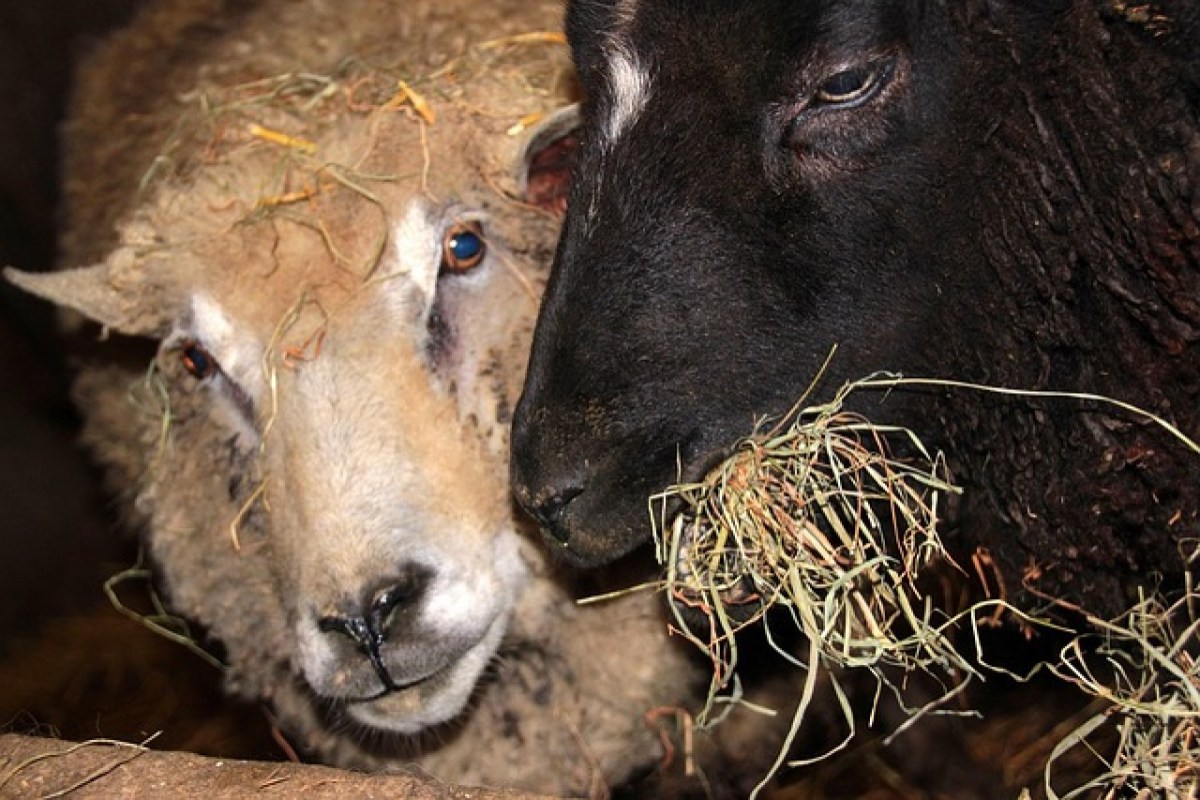
According to the FSVO, around 56'000 sheep die in Switzerland every year – that is 10 – 15 % of the total population.

«No fence, no herder»
Since 2020, the animal movement database Identitas has also recorded sheep that have died – including those that perish from illness or neglect.
In 2021 the figure was around 40’000, and in 2024 it reached 56’838 sheep. This corresponds to approximately 13 % of the sheep population at the time, which stood at around 362’000 animals.

Wolves account for only a fraction of these deaths: approximately 1’000 animals, representing under 2 % of total fatalities. Even at maximum estimates and including slaughter figures, the share drops to below 0.5 %.
The vast majority of losses are attributable to diseases, parasites, epidemics, inadequate shepherding, and weather conditions. This stands in stark contradiction to our claims regarding animal welfare and the oft-cited “best animal protection law in the world.”
In 2024, approximately 231’615 sheep were slaughtered in Switzerland. This figure covers officially reported slaughters and corresponds to around 41.7 % of domestic sheep meat consumption.
Wolf attacks play only a statistically negligible role – their impact is routinely overestimated in public debate and politics, and exploited for propaganda purposes. The wolf as a political scapegoat.
Further Articles
- Swiss Meadows Are Losing Biodiversity at an Alarming Rate
- When Sheep, Cattle and Others Encroach on Wildlife Habitats
- Swiss Animal Protection Organisation Criticises Planned Wolf Culls as a Threat to Pack Structures and Herd Protection
- In Graubünden, Wolf Incompetence Runs Rampant
- Val Fex: When the Herd Protection Concept Has More Holes Than the Fence
- Shooting Instead of Protection – Switzerland on the Path to Silent Wolf Extermination
- Communication Failure at the Office for Hunting and Fishing in Graubünden
- Illegal Wolf Hunting in Switzerland
- Wolf Cubs in Switzerland Under Fire
- Switzerland Sells Wolf Massacre as a Success
- Blunders in the Office of Katrin Schneeberger
- Livestock grazing alters soil, plant and insect populations
- The absurd wolf hunt in Switzerland
- The truth about sheep mortality in Switzerland: causes and statistics
- Wolf culls in Switzerland: concerns about party politician Albert Rösti
- Let's stop the SVP's destructive rage
- Call to action: An appeal for change in Switzerland
- 200 environmental organisations from 6 continents call on the Swiss government: Stop the wolf cull
- Federal Councillor faces sharp criticism from wolf experts
- The consequences of controversial wolf management in Switzerland
- Wolf: Federal Councillor Rösti (SVP) circumvents law and order
- Es Burebüebli mahn i nit
- Are FOEN and the cantonal hunting authorities still operating responsibly?
- Federal Councillor Albert Rösti tramples the will of the people
- The consequences of controversial wolf management in Switzerland
- Too many sheep are harming biodiversity
- Agricultural use destroys alpine meadows
- Kills despite herd protection — how is that possible?
- The rotten apple in the St. Gallen hunting administration
- Pro Natura calls for a comprehensive strategy for summer sheep grazing
- According to Agridea study, herd protection with dogs works well
- Thanks to herd protection, wolves kill fewer livestock in Switzerland
- Farmers treat fields as a disposal site
- Biomass of wildlife
- On sheep farmers and vague authorities
- The double standards of wolf opponents
Do you have a tip, a source or a correction for this article? Write to us.
More on the subject of recreational hunting: What the research says about this is shown by Hunting fact-checked: the state of research.
The position of IG Wild beim Wild: IG Wild beim Wild rejects recreational hunting. Our model is the canton of Geneva, which has managed without recreational hunting since 1974: without hunting seasons, without hunting dogs, without driven hunts, without high seats, without the animal cruelty and crime that go hand in hand with hunting season elsewhere. What has worked there for over fifty years disproves every position paper by JagdSchweiz. An association that bases its policy on claims it refutes in its own documents is not a professional organisation, but a factory for misinformation.