Hitzewelle 2026: Wildtiere unter Extremstress und die Jagd läuft weiter
Schweizer Rekordtemperaturen setzen Wildtiere unter extremen Stress. Ausgerechnet jetzt beginnt die Rehbrunft.
Die Schweiz schwitzt. Die erste grosse Hitzewelle 2026 bringt regional bis zu 38 Grad, und meteorologische Rekorde für den Monat Juni stehen auf dem Spiel. Für Menschen gibt es Klimaanlagen, Freibäder und Hitzefrei. Für Wildtiere gibt es keinen Notausgang.
Was Hitze mit Wildtieren macht
Aufgeschreckte Wildtiere verbrauchen bei Fluchtreaktionen Energie und müssen danach ihre Körpertemperatur wieder absenken. Dadurch bekommen sie noch schneller Durst und müssen sich auf die Suche nach einer Wasserstelle machen.
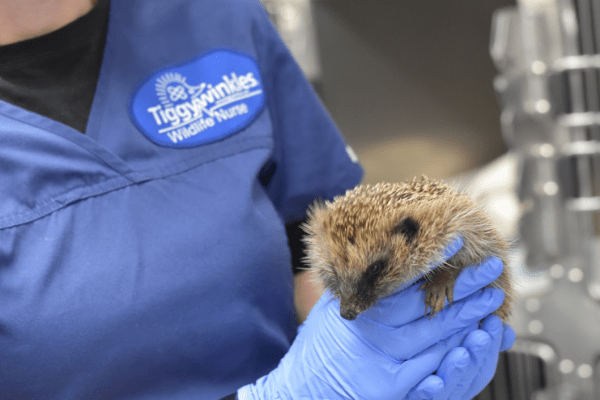
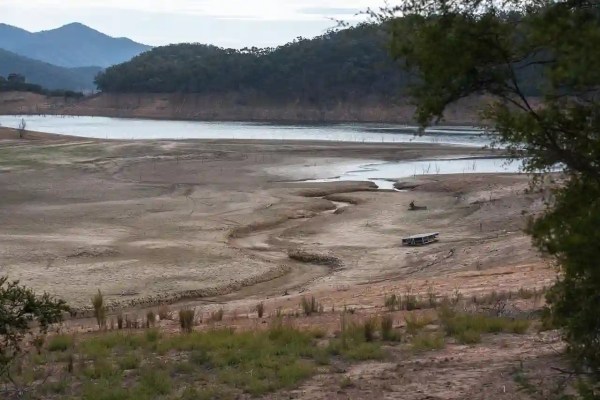
Das Problem: Genau diese Wasserstellen versiegen. Bei anhaltender Dürre drohen Wildtieren Dehydrierung, Hitzestress und in Extremfällen erhöhte Sterblichkeit – besonders bei Jungtieren. Vögel, Igel, Füchse, aber auch grössere Wildtiere wie Rehe und Hirsche sind betroffen.
Dazu kommt ein systemisches Problem: Die Wassertemperaturen im Rhein und in den Alpenseen steigen kontinuierlich an. Die Eidgenössische Forschungsanstalt für Wald, Schnee und Landschaft (WSL) hat ein Frühwarnsystem entwickelt, das bis zu drei Wochen im Voraus das Hitzerisiko für Fischpopulationen an über 50 Standorten einschätzen kann. Ist die Temperaturschwelle für eine Art erreicht, nimmt die Leistungsfähigkeit der Fische ab – insbesondere durch Sauerstoffmangel im überhitzten Wasser. Damit sinkt auch die Fähigkeit, Gefahren auszuweichen.
In ihrer Reaktionsfähigkeit eingeschränkte Fische. Dehydrierte Füchse. Erschöpfte Rehböcke. Das sind keine Randerscheinungen, das ist die ökologische Realität dieser Hitzewelle.
Mehr dazu, wie Wildtiere grundsätzlich mit extremer Hitze umgehen und welche besonderen Risiken der Klimawandel für Alpentiere mit sich bringt, haben wir in früheren Beiträgen beschrieben.
Ausgerechnet jetzt: die Rehbrunft
Die Hitzewelle trifft zeitlich mit einem der intensivsten Ereignisse im Wildtierjahr zusammen. Die Rehbrunft beginnt Mitte Juli und dauert bis Mitte August. Rehböcke sind dann hormonell auf Hochtouren, legen weite Strecken zurück, fressen kaum und verlieren deutlich an Körpergewicht. Thermoregulation erfolgt beim Reh primär über Hecheln und Verhaltensanpassung – in der Hitze sind Rehböcke damit stärker als üblich auf Wasser und thermische Rückzugsräume angewiesen.
Was kaum jemand weiss: Das Reh hat seinen gesamten Reproduktionszyklus über Jahrtausende auf genau dieses Zeitfenster abgestimmt. Nach der Paarung im Hochsommer nistet sich der befruchtete Embryo nicht sofort in der Gebärmutter ein, sondern verfällt in eine sogenannte Keimruhe – die embryonale Diapause. Diese dauert über vier Monate bis Dezember. Erst mit der Wintersonnenwende beginnt die eigentliche Embryonalentwicklung. Die Kitze kommen dann im Mai oder Juni zur Welt, wenn das Nahrungsangebot am reichsten ist. Forschende der ETH Zürich haben diesen Mechanismus eingehend untersucht; unter Geweihträgern gilt er als weitgehend einzigartig. Die Natur hat also einen hochpräzisen Mechanismus entwickelt, damit Kitze optimal ins Leben starten. Die Freizeitjagd greift genau in diesen Mechanismus ein – mitten in der Phase, in der der Rehbock am verletzlichsten ist.
Rehböcke dürfen in den meisten Schweizer Kantonen mit Revierjagdsystem bereits ab Mai erlegt werden. Von Mitte Juli bis Mitte August, wenn die Brunft auf dem Höhepunkt ist, praktizieren Hobby-Jäger die sogenannte Blattjagd: Sie imitieren mit einem sogenannten Blatter – einem mechanischen Lockinstrument mit Metallzunge – die Fieplaute einer paarungswilligen Rehgeiss, um den Bock aus der Deckung zu locken und aus kurzer Distanz zu erlegen. Elektronische Lockgeräte mit aufgenommenen Tierlauten sind in der Schweiz weitgehend verboten oder stark eingeschränkt; der mechanische Blatter hingegen gilt nicht als verbotenes Hilfsmittel im Sinne der eidgenössischen Jagdverordnung. Ein Tier, das ohnehin schon durch Brunftstress und Hitzestress in seiner Reaktionsfähigkeit eingeschränkt ist, wird zusätzlich mit Lockreizen aus dem Deckungsschutz gelockt. Waidmännisch korrekt nennen das Hobby-Jäger. Tierschützerisch betrachtet ist es das gezielte Ausnutzen eines biologischen Ausnahmezustands.
Warum Hitze Jagdethik verändert
Die WSL warnt: Sobald die Temperaturschwelle für bestimmte Fischarten erreicht ist, können diese kaum noch auf Gefahren reagieren. Für die Fischerei gibt es deshalb Schonzeiten und in Extremfällen behördliche Eingriffspflichten. Das Prinzip dahinter ist klar: Wenn Umweltbedingungen die Verletzlichkeit einer Tierart akut erhöhen, müssen Nutzungsregeln angepasst werden. Für die Jagd auf terrestrisches Wild – obwohl dieselbe Logik gilt – fehlen solche temperaturbasierten Schwellenwerte vollständig.
Das ist ein Widerspruch, den die Schweizer Jagdgesetzgebung dringend adressieren müsste: Wenn bekannt ist, dass Tiere in Phasen akuten Umweltstresses besonders verletzlich sind, warum gilt das nicht als Grund für einen temporären Jagdstopp?
Wer die aktuelle Jagdgesetzgebung in der Schweiz und deren Reformbedarf verstehen will, findet auf wildbeimwild.com eine umfangreiche Dokumentation.
Klimawandel und Hobby-Jagd: eine doppelte Bedrohung
Der Klimawandel stellt eine ernsthafte Bedrohung für Wildtiere in den Alpen dar, besonders für Murmeltiere und Schneehühner. Murmeltiere können ihre Körpertemperatur nur begrenzt regulieren und sind bei Hitze auf kühle Höhlen angewiesen – eine Strategie, die funktioniert, solange die Nächte kühl bleiben. Bei anhaltenden Tropennächten versagt sie.
Wildtierpopulationen, die bereits unter dem Klimadruck leiden, brauchen in Phasen akuten Umweltstresses keine zusätzliche Bejagung. Sie brauchen Ruhe, funktionierende Lebensräume und Wasserstellen. Dass ausgerechnet in Hitzephasen Hobby-Jäger mit Lockrufen und Hochsitzen in den Wald ziehen, ist nicht Naturschutz, sondern sein Gegenteil.
Immer mehr wissenschaftliche Hinweise zeigen, dass extreme Wetterereignisse wie Dürren und Hitzewellen die Reaktionsfähigkeit von Wildtieren gegenüber Gefahren erheblich einschränken. Das betrifft nicht nur Wildbrände und den Klimawandel im Allgemeinen, sondern auch die Hobby-Jagd im Konkreten: Ein gestresstes, dehydriertes, in seiner Reaktionsfähigkeit eingeschränktes Tier ist kein legitimes Jagdziel. Es ist ein in seiner natürlichen Abwehrkapazität eingeschränktes Tier.
Was du tun kannst
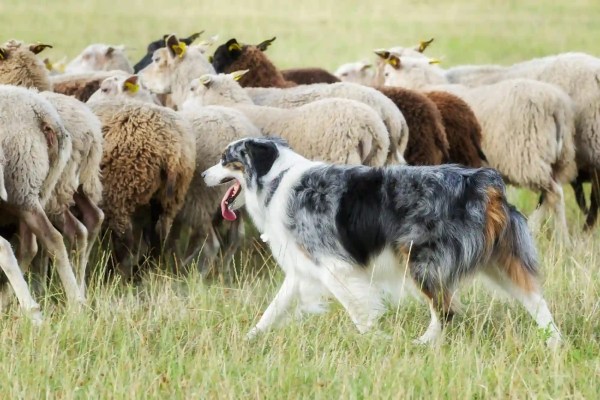
Wer Wildtieren in dieser Hitzewelle helfen will: Flache Schüsseln mit frischem Wasser im Garten oder auf dem Balkon aufstellen, täglich wechseln, einen Stein als Landehilfe ins Wasser legen. Im Wald Abstand halten, keine Tiere aufscheuchen. Hunde an der Leine führen.
Wer politisch aktiv werden will: Unterstütze die Kampagnen von IG Wild beim Wild für ein zeitgemässes Wildtierschutzrecht in der Schweiz.
Und wer wissen will, was die Hitzewelle konkret für die Gewässer und die Fischpopulationen bedeutet, findet auf wildbeimwild.com weitere Hintergründe.
LASS UNS IN VERBINDUNG BLEIBEN!
Wir möchten dir gerne die neuesten Neuigkeiten und Angebote im Newsletter zukommen lassen.
Unterstütze unsere Arbeit
Mit deiner Spende hilfst du, Tiere zu schützen und ihrer Stimme Gehör zu verschaffen.
Jetzt spenden →