Open Season on Wolf, Lynx, Beaver and More
The revised Hunting and Protection Act (JSG) in Switzerland no longer protects endangered native wildlife such as lynx, wolf, and beaver. A law that previously balanced protection and culling equally is thus becoming a culling law. Prominent animal and nature conservation organizations are saying no to preemptive culling: they insist that the authority to regulate protected species remains with


The revised Hunting and Protection Act (JSG) in Switzerland no longer protects endangered native wildlife such as lynx, wolf, and beaver.
A law that previously balanced protection and culling equally is thus becoming a culling law. Prominent animal and nature conservation organizations are saying no to preemptive culling: they insist that the authority to regulate protected species remains with the federal government.
The current Hunting and Protection Act represents a sound compromise between protection, regulation, and hunting. This balanced law is now to be revised to the detriment of protected and endangered animals — protection is being drastically undermined by making culling significantly easier. The legislative proposal published today by the Senate’s Environment Committee (UREK-S) is therefore being labelled a “culling law” by the three major environmental organizations BirdLife Switzerland, Pro Natura, and WWF Switzerland. Threatened native wildlife would thus increasingly find themselves in the crosshairs.
The environmental organizations point to three serious structural flaws in the new version. All of them worsen the situation of protected native wildlife:
- A new provision would allow “preemptive” culling: Unacceptable
This change would mean that merely “probable” damage (i.e., damage that has not yet occurred) could be cited as grounds for culling animals. Particularly objectionable is the fact that not even damage-reducing protective measures would be required as a precondition. - A new provision would transfer responsibility for population management from federal to cantonal jurisdiction: Unacceptable
This would lead to enormous cantonal discrepancies in the handling of species protected throughout Switzerland. The federal government would thus be unable to fulfil its constitutional and international conservation obligations. After all, the species concerned do not orient themselves by national borders, let alone cantonal ones. - In future, the Federal Council should be able to expand the list of protected species that may be regulated at any time – without parliamentary input: Unacceptable
This turns the management of protected species into a political football for the interests of individual user groups – even more so than is already the case today. A whole range of protected animal species is thereby at risk of becoming regulatable and therefore “quasi-huntable” in future.
All these massive setbacks for species protection are not offset by any improvements for endangered species and their habitats. Threatened and endangered species such as the brown hare, the black grouse, and the woodcock, for example, may continue to be hunted. Furthermore, wildlife corridors – which are vital for the dispersal and natural migratory needs of wild animals – remain unprotected.
The environmental organizations reject the extreme, completely unbalanced revision of the hunting and protection law. Should the law be confirmed by parliament in its current form, the organizations will consider launching a referendum against this culling law.
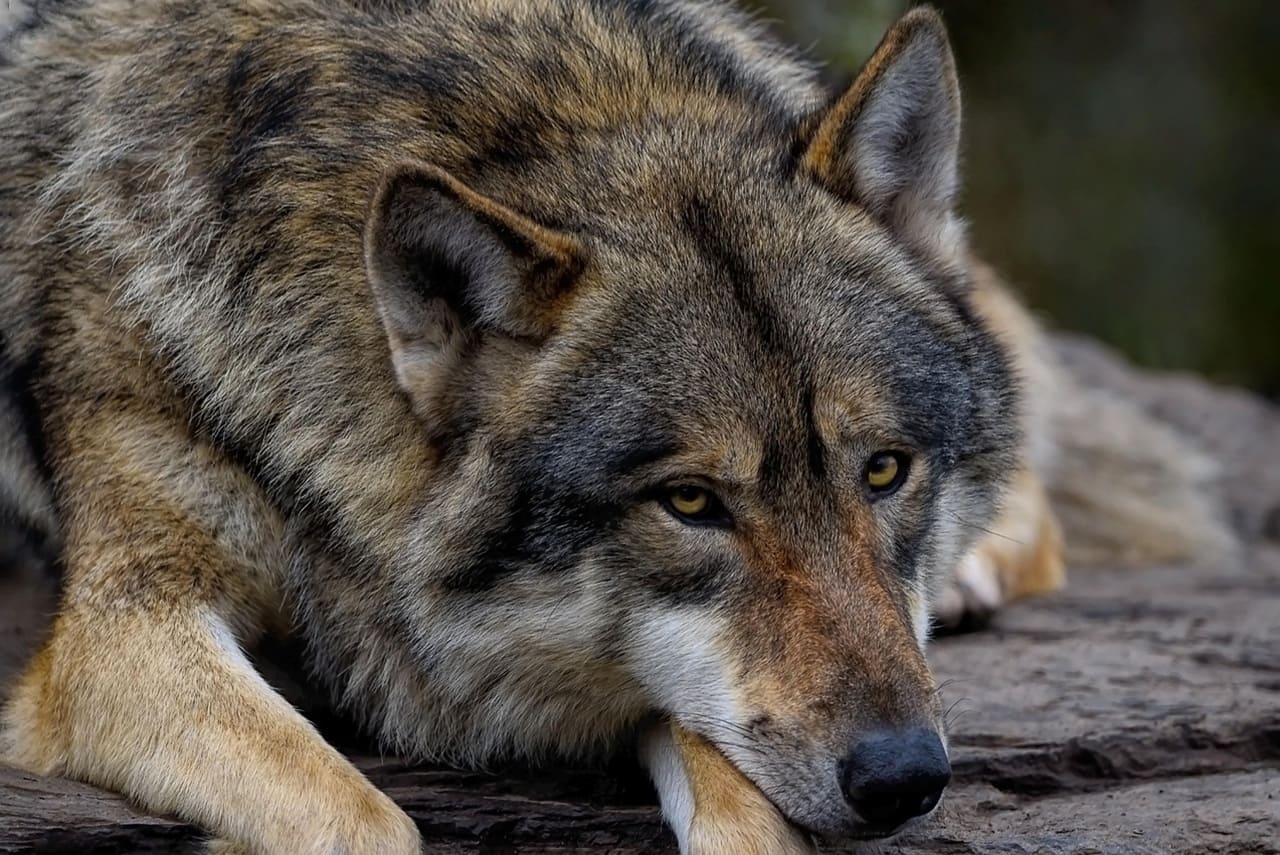
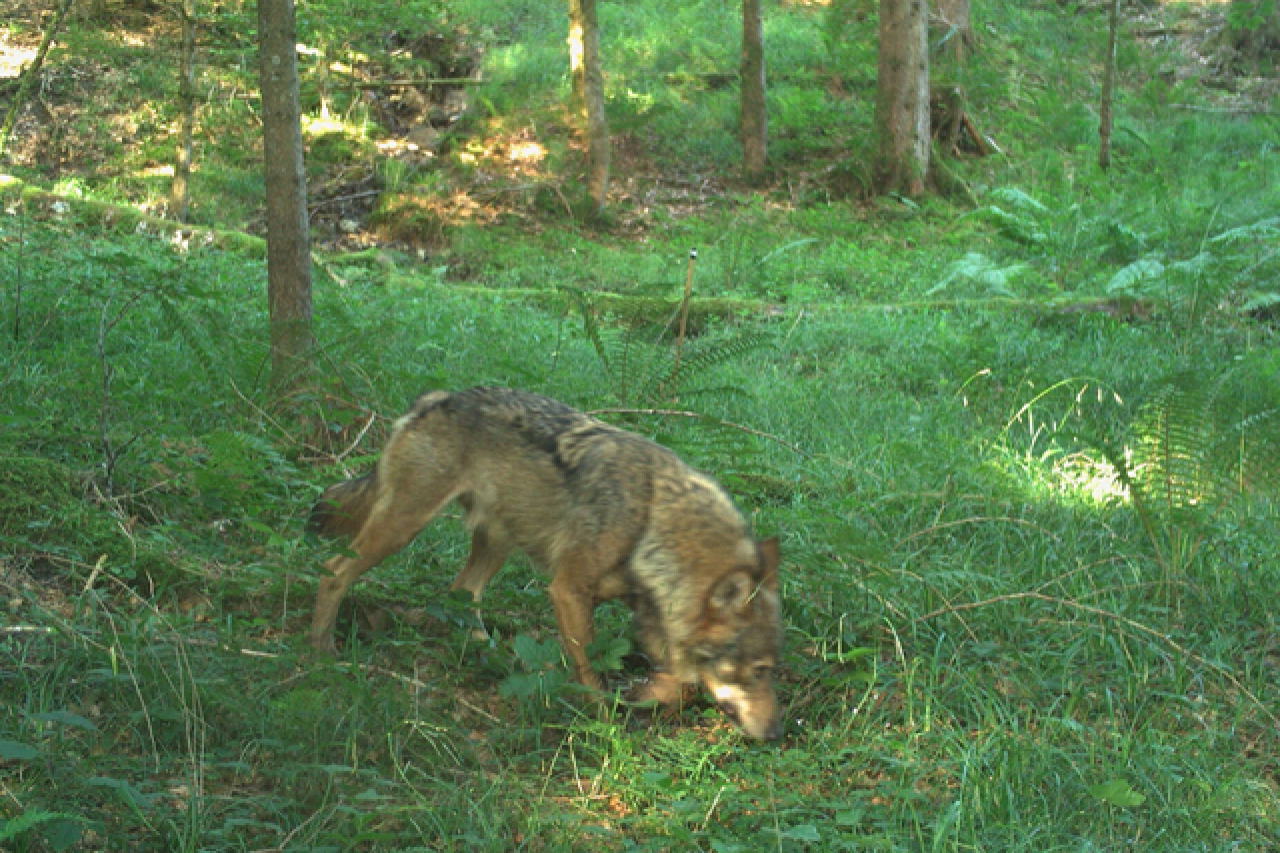
The wolf population should be manageable – and not only when wolves cause serious damage. The Environmental Committee of the Council of States wants to loosen the protection of the wolf even further than the Federal Council. It also has the beaver and the lynx in its sights.
Wolf, lynx, beaver and co. cleared for shooting
The Federal Council is proposing a far-reaching relaxation: in future, authorities should be able not only to authorize the shooting of individual animals from protected species, but also to permit the decimation of entire populations.
However, the Federal Council wants to enshrine conditions for this in the hunting law. The wolf population should only be allowed to be decimated if wolves cause serious damage or endanger people despite protective measures being in place.
The Environmental Committee of the Council of States (UREK) is now proposing to its chamber, by 6 votes to 5, that strict conditions be dispensed with, as the Parliamentary Services announced on Wednesday. Culling should be possible even without serious damage having occurred. Furthermore, there should be no absolute obligation to implement protective measures.
Hunting for beaver and lynx
Furthermore, the committee decided by 7 votes to 4 in each case to include the beaver and the lynx in the article on population regulation. Regarding the lynx, the committee notes that the time window for regulating the population amounts to only six weeks per year.
Regarding the beaver, the UREK also wants to create the conditions for the federal government to participate in financing protective measures for infrastructure of public interest and in compensating for damages. In doing so, it is implementing the request of a cantonal initiative from the canton of Thurgau.
Minorities in favor of the Federal Council version
The Federal Council's version does not exclude the possibility of regulating the populations of other animals. However, the Federal Council wanted to list the animal species not in the legislative article itself, but in an ordinance.
The handling of wolf, lynx, and beaver will once again be a topic of debate in the plenary session: Various minorities within the committee are requesting that the Council of States follow the Federal Council's approach on population regulation. On the prevention of wildlife damage, the majority has rejected more far-reaching measures. It clearly opposed allowing cantons to designate zones free of predators.
Standardized hunting examination
The committee had already decided on other points at an earlier session. It agreed that hunting examinations should be harmonized and that cantons should be permitted to temporarily shorten the closed seasons for huntable species without federal approval. However, it decided to exempt several species of wild duck from hunting and place them under protection.
In the final vote, the committee approved the revision of the Hunting Act by 6 votes to 4. It writes that the focus is on viable solutions for the coexistence of people and wildlife. The Council of States will next decide on the amendments to the Hunting Act.
The handling of the wolf has been a topic of debate in parliament for years. The Federal Council sought a path compatible with the Bern Convention. It would like to downgrade the wolf's protection status in the Convention from «strictly protected» to «protected». The Department of the Environment was tasked with submitting the request to the Council of Europe by the end of July 2018. However, the request has already been rejected once before.
More on the subject of recreational hunting: What the research says about this is shown by Hunting fact-checked: the state of research.
The position of IG Wild beim Wild: IG Wild beim Wild rejects recreational hunting. Our model is the canton of Geneva, which has managed without recreational hunting since 1974: without hunting seasons, without hunting dogs, without driven hunts, without high seats, without the animal cruelty and crime that go hand in hand with hunting season elsewhere. What has worked there for over fifty years disproves every position paper by JagdSchweiz. An association that bases its policy on claims it refutes in its own documents is not a professional organisation, but a factory for misinformation.