PFAS in Wild Game: Consumption Warning for Recreational Hunters
The traditional autumn hunting season is in full swing, but recreational hunters are being asked to refrain from consuming wild game meat, as it may contain harmful chemicals.

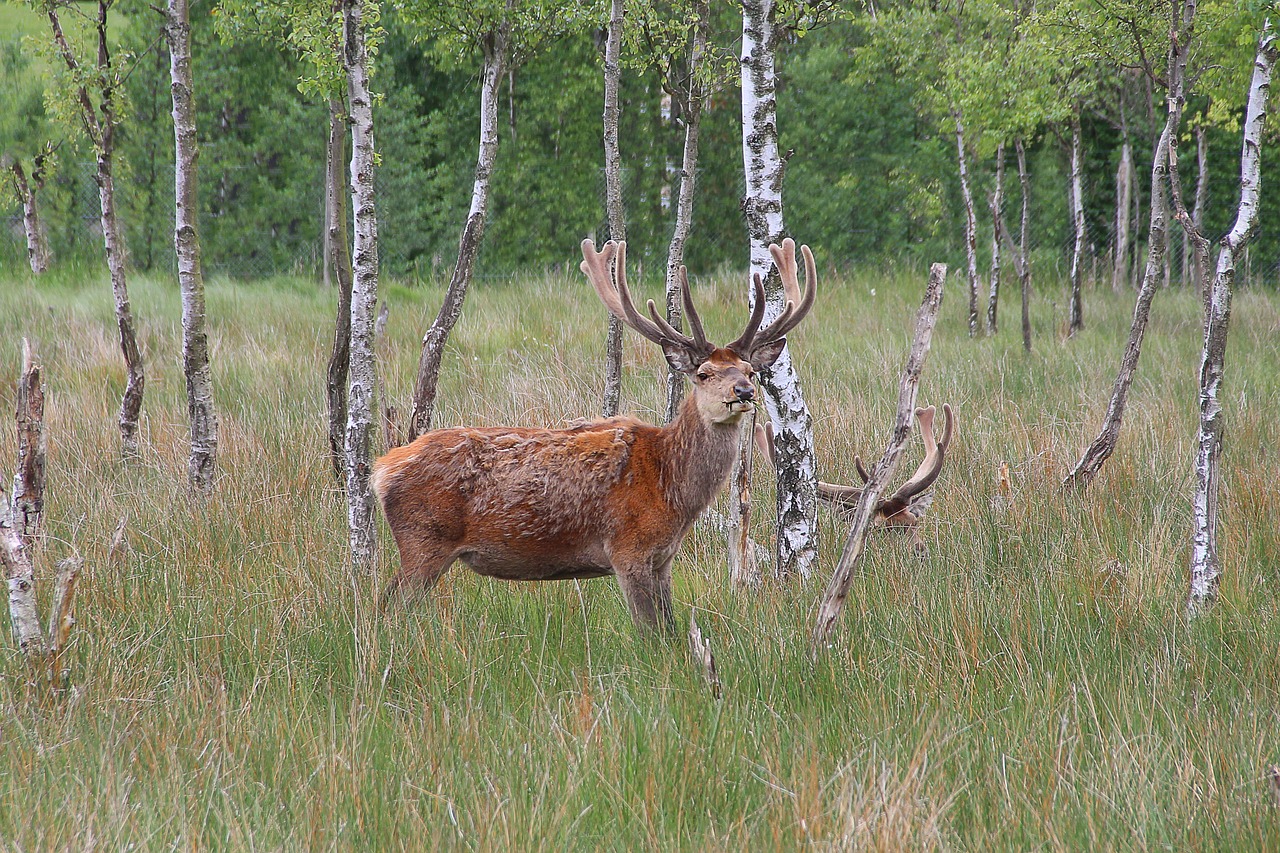
Recreational hunters from across the northeastern United States travel to Maine every autumn, where deer and wild turkeys are among the most popular game animals in recreational hunting.
The Maine Department of Inland Fisheries and Wildlife has issued a consumption advisory for wildlife in several communities in the central part of the state.
PFAS Detected in Muscle Tissue
In a statement, the department said that samples of wildlife in the area showed PFAS levels in their muscle tissue that justify this advisory. PFAS, or per- and polyfluoroalkyl substances, are chemicals that persist in the environment and have been linked to human health problems such as cancer and low birth weight.
«The recommended areas include areas that have been contaminated with high PFAS levels through the application of municipal and/or industrial sludge containing PFAS. Deer and turkeys that feed in these contaminated areas have absorbed these chemicals and now show PFAS in their meat and organs,» the agency stated.
The advisories apply to parts of Unity, Unity Township, Albion, and Freedom, in addition to existing advisories in Fairfield and parts of Skowhegan, according to the agency. The agency justified the advisory based on the testing of 54 deer and 55 turkeys for PFAS. The advisory was issued shortly before the popular “Residents' Day” for deer recreational hunters on 2 November.
“Forever Chemicals” in the Food Chain
It is not known how long the recommendations will remain in effect. According to the ministry, New Hampshire, Michigan and Wisconsin have also issued consumption advisories for PFAS and wild game.
Maine was one of the first states to detect PFAS in deer. The presence of these “forever chemicals” in wildlife and fish has increasingly come under the scrutiny of health authorities in recent years. The pollution affects not only habitats but also the food chain.
PFAS substances have long been used in household products such as non-stick cookware and food packaging. The chemicals are also used in firefighting foams and are found in some fertilizers. Federal authorities have also taken steps to curb PFAS contamination, amid concerns that the substances are present in food, drinking water systems and private wells.
More on the subject of recreational hunting: In our dossiers on the criticism of recreational hunting gather fact-checks, analyses and background reports. What the research says about this is shown by Hunting fact-checked: the state of research.
The position of IG Wild beim Wild: IG Wild beim Wild rejects recreational hunting. Our model is the canton of Geneva, which has managed without recreational hunting since 1974: without hunting seasons, without hunting dogs, without driven hunts, without high seats, without the animal cruelty and crime that go hand in hand with hunting season elsewhere. What has worked there for over fifty years disproves every position paper by JagdSchweiz. An association that bases its policy on claims it refutes in its own documents is not a professional organisation, but a factory for misinformation.