Trump's Attack on Species Protection: Warning of Species Extinction
Trump's orders will likely drive species to extinction, animal welfare advocates warn.

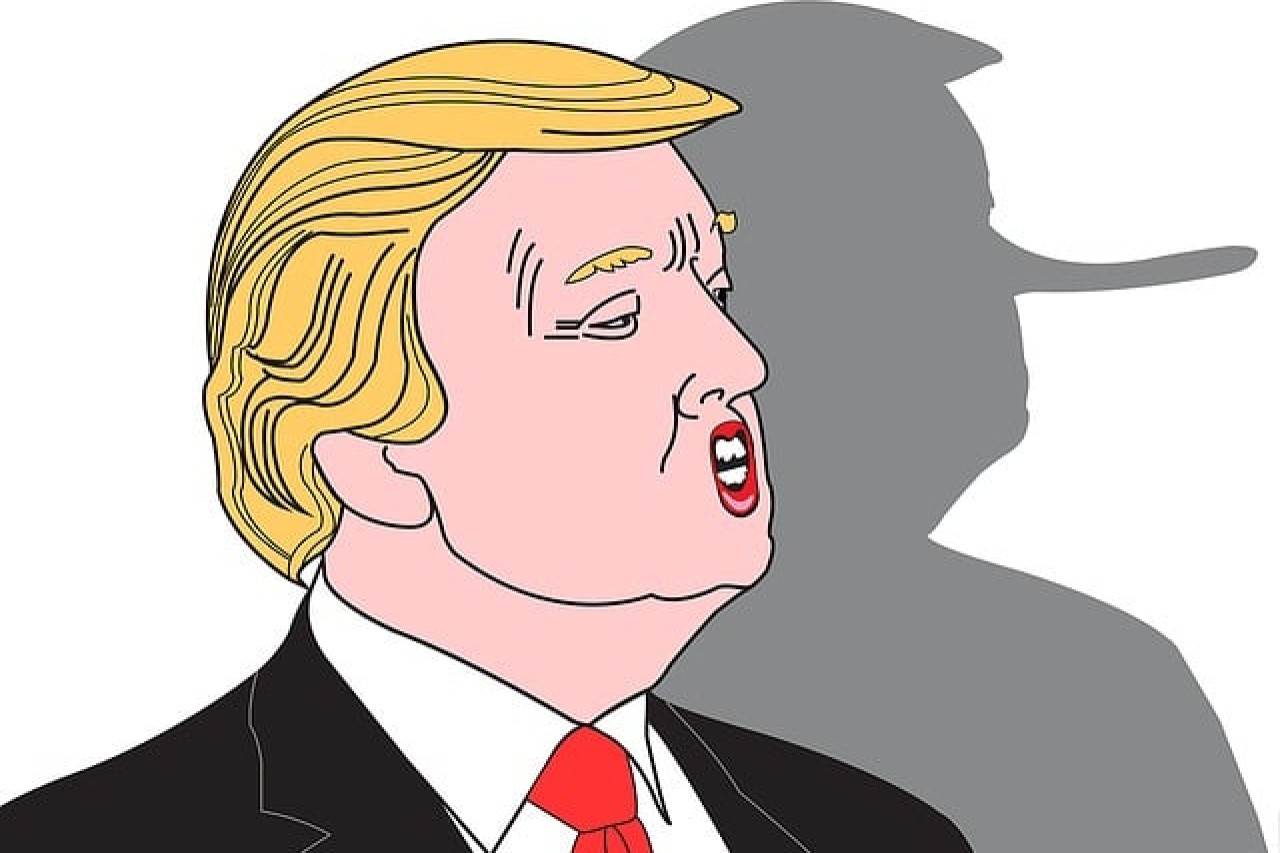
In addition to layoffs and hiring freezes, a committee can effectively veto protections for endangered species.
Donald Trump's administration, backed by Republicans in the House of Representatives and Elon Musk's Doge agency, is launching an attack on the Endangered Species Act and the federal wildlife authorities.
One that, if successful, will almost certainly drive numerous species to extinction, environmentalists warn. The three-pronged attack aims to freeze protections for endangered wildlife in order to push through oil, gas, and development projects more quickly, according to opponents.
Layoffs and Hiring Freeze at Fish and Wildlife
In recent weeks, the US President announced that he will assemble a committee empowered to veto ESA protections for species threatened with extinction. In the meantime — partly at the behest of Musk's so-called «Department of Government Efficiency» — hundreds of US Fish and Wildlife staff have been dismissed. A hiring freeze has been imposed on several hundred additional seasonal workers, which advocates believe is critical to the survival of some species.
In the US House of Representatives, Republicans recently held a hearing on the ESA and the Marine Mammal Protection Act, claiming the laws need to be revised so that industrial projects can be approved more quickly. Biodiversity is under threat worldwide.
Wildlife advocates are preparing for a fight in which the very existence of species is at stake.
«Scientists warn that we are in an extinction crisis, and we ignore this at our own peril», said Noah Greenwald, the director of endangered species at the Center for Biological Diversity. «While America's wildlife is disappearing, Elon Musk is swinging his wrecking ball at the experienced and dedicated people who are fighting to save our plants and animals from extinction. That is more than idiotic.»
Endangered Species Act since 1973
Congress passed the ESA in 1973 and has, among other things, saved bald eagles, grizzly bears and American alligators from extinction. Some environmentalists consider it one of the country's strongest environmental laws because it is unambiguous and sets clear deadlines for federal agencies to take action to protect species. Nearly 99% of the species listed as endangered under the law have survived, according to Greenwald, and the law rarely causes energy or development projects to fail.
Nevertheless, the strict provisions of the ESA are driving industry to distraction, and the law has long been a target of the GOP, said Drew Caputo, an attorney for the nonprofit organization Earthjustice.
«Industry cannot bear the fact that its profit opportunities are sometimes restricted by the protection of wildlife that has lived on Earth for millions of years», said Caputo. The attacks by the ruling parties and industry had «spectacularly failed», he added.
«God Squad» can decide on extinction
But the committee could represent the greatest threat yet. «It can play God and decide which species exist and which do not», said Caputo. The group, officially known as the Endangered Species Committee, consists of seven heads of federal agencies who, in the rare cases where a federal action comes into irresolvable conflict with the ESA, each vote on whether the benefits of the project outweigh the welfare of the protected species. If five of the seven votes favor a project, it proceeds, which can lead to the extinction of species.
The «God Squad» has only been convened three times, and the only project in which it overrode the ESA was a dam, but the plans contained meaningful provisions that ensured the survival of endangered cranes.
Trump, however, appears to be proceeding without regard for the protocols of the law and ordering measures that fall outside the group's jurisdiction, advocates say. “He can't just say: I hereby repeal the Endangered Species Act,” said Greenwald. “There are very specific procedures for how that works.” More on Environmental and nature conservation.
In the meantime, the cuts to the federal workforce made by Doge and the funds frozen by Trump are already directly affecting the staffing and financial viability of projects to protect red wolves in North Carolina, Akikiki birds in Hawaii, and black-footed ferrets.
Greenwald said Fish and Wildlife Service employees had learned that the initial cuts were only the beginning and that Trump planned to eliminate 40% of staff. “What Doge is doing will lead to the extinction of species,” said Greenwald.
The law remains popular with the public, and that could put pressure on legislators, according to Caputo. “The industry agenda is unpopular, but the right keeps trying,” said Caputo. “The harsh reality is that extinction means forever.”
More on the subject of recreational hunting: In our dossiers on recreational hunting gather fact-checks, analyses and background reports. What the research says about this is shown by Hunting fact-checked: the state of research.
The position of IG Wild beim Wild: IG Wild beim Wild rejects recreational hunting. Our model is the canton of Geneva, which has managed without recreational hunting since 1974: without hunting seasons, without hunting dogs, without driven hunts, without high seats, without the animal cruelty and crime that go hand in hand with hunting season elsewhere. What has worked there for over fifty years disproves every position paper by JagdSchweiz. An association that bases its policy on claims it refutes in its own documents is not a professional organisation, but a factory for misinformation.