Poultry: China bans sales at markets
The Chinese government is drawing further consequences from the coronavirus pandemic. In future, traders will no longer be allowed to slaughter live birds at markets.

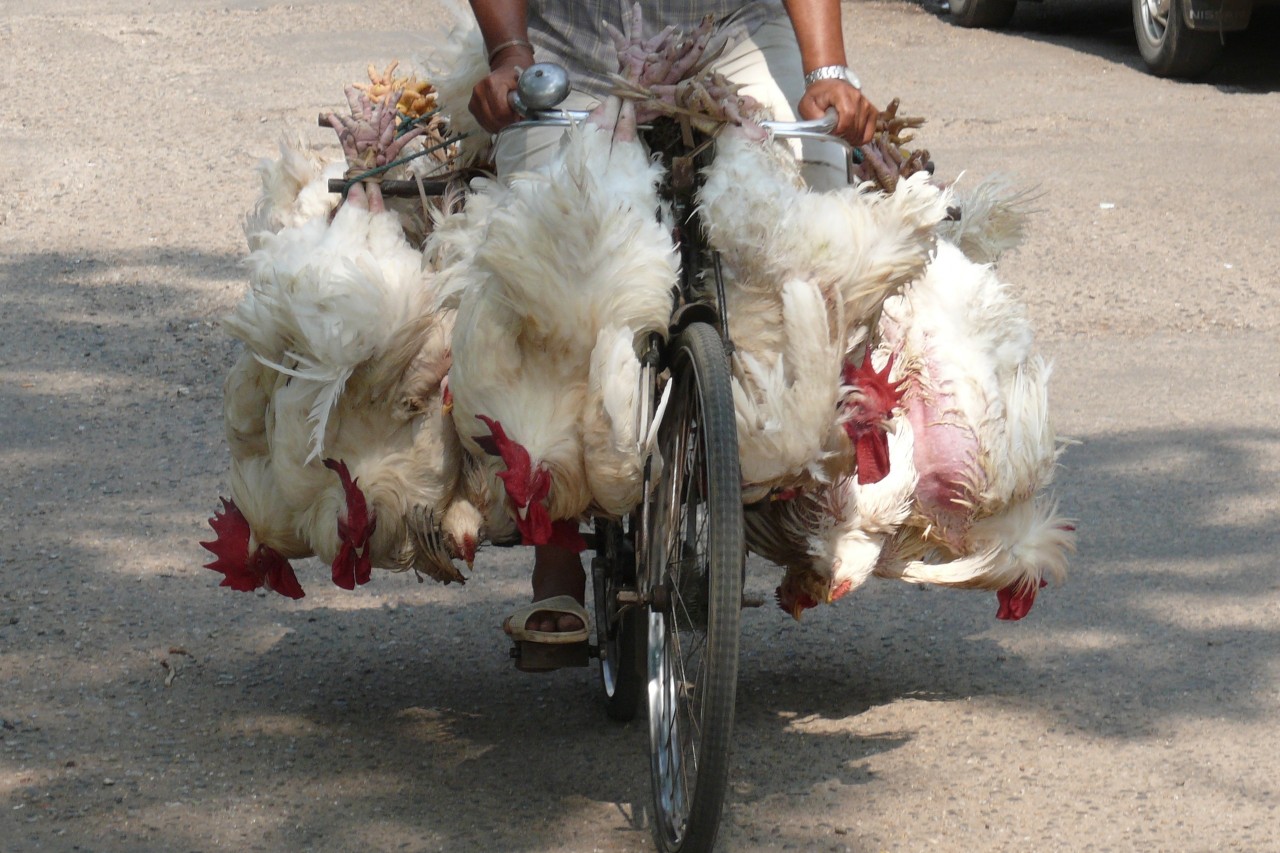
As a consequence of the coronavirus pandemic, China intends to ban the sale of live poultry at markets. As the market regulatory authority announced, the government wants to ensure that poultry can only be slaughtered at «locations with special conditions». Markets selling live poultry will now be gradually closed down.
Live poultry in cages is a common sight at Chinese markets. The animals are typically slaughtered on the spot by vendors or at home by customers. Many people in the People’s Republic are convinced that this practice guarantees maximum freshness.
New coronavirus outbreak at Beijing food market
Since a new coronavirus outbreak at the vast Xinfadi food market in Beijing in mid-June, Chinese authorities have been scrutinising these trading venues particularly closely. Earlier in the year, animal markets in China had already come under worldwide criticism after mounting evidence suggested that the disease had originally broken out at a market in the city of Wuhan and subsequently spread across the globe. Live animals, including wildlife, had also been sold at that market.
Scientists assume that the novel coronavirus originally came from bats and first jumped to humans in China at the end of last year via another animal species. As a first step, China has already banned the sale and consumption of wild animals such as civets. In addition, according to newspaper reports, the authorities removed pangolin scales from the list of traditional Chinese medicines.
Authorities tighten food safety
The regulatory authority has now called on regional governments to strengthen «food safety oversight» at markets and «investigate hidden safety risks». More than 70 percent of meat, poultry, seafood, fruits, and vegetables are sold China at such markets. The link between wildlife trade and pandemics is well established by science.
More on the subject of recreational hunting: In our dossiers on recreational hunting gather fact-checks, analyses and background reports. The scientific evidence is presented in the overview Studies on the Effects of Recreational Hunting.
The position of IG Wild beim Wild: IG Wild beim Wild rejects recreational hunting. Our model is the canton of Geneva, which has managed without recreational hunting since 1974: without hunting seasons, without hunting dogs, without driven hunts, without high seats, without the animal cruelty and crime that go hand in hand with hunting season elsewhere. What has worked there for over fifty years disproves every position paper by JagdSchweiz. An association that bases its policy on claims it refutes in its own documents is not a professional organisation, but a factory for misinformation.