Import ban on foie gras: Commission wants counter-proposal
The Science Committee of the National Council wants to put forward a counter-proposal to the foie gras initiative. The proposed import ban is likely to encounter implementation difficulties. Whether this would change anything about the animal-cruel force-feeding practice is questionable.

The National Council's Committee for Science, Education and Culture (WBK-N) decided, for these and other reasons, by 13 votes to 12 to launch a parliamentary initiative to formulate an indirect counter-proposal, as the Parliamentary Services announced on 21.2.2025. The initiative must also be approved by the Council of States' WBK.
According to the National Council committee's vision, the counter-proposal is based on the declaration requirement for foie gras products announced by the Federal Council. The Federal Government intends, according to its statements, to implement this by means of an ordinance in the near future.
In addition, the committee envisages import-restricting measures if commercial imports have not declined five years after the law comes into force. An important step for animal protection in Switzerland.
Only around one percent of global consumption
The WBK-N argued that only around one percent of global foie gras consumption occurs in Switzerland. It is therefore questionable to what extent a ban in Switzerland would affect overall production.
Furthermore, it anticipated implementation difficulties, particularly regarding the control of private imports and the means for effective enforcement. An import ban would also be incompatible with World Trade Organization rules.
Before deliberating on the initiative «Yes to an import ban on foie gras» (foie gras initiative) at its January meeting, the WBK-N conducted hearings. More on the hunting law and animal rights in Switzerland.
Initiative from animal protection circles
Behind the foie gras initiative stand animal protection organizations. The proposal seeks to ban the import of products derived from force-feeding poultry through an amendment to the Federal Constitution.
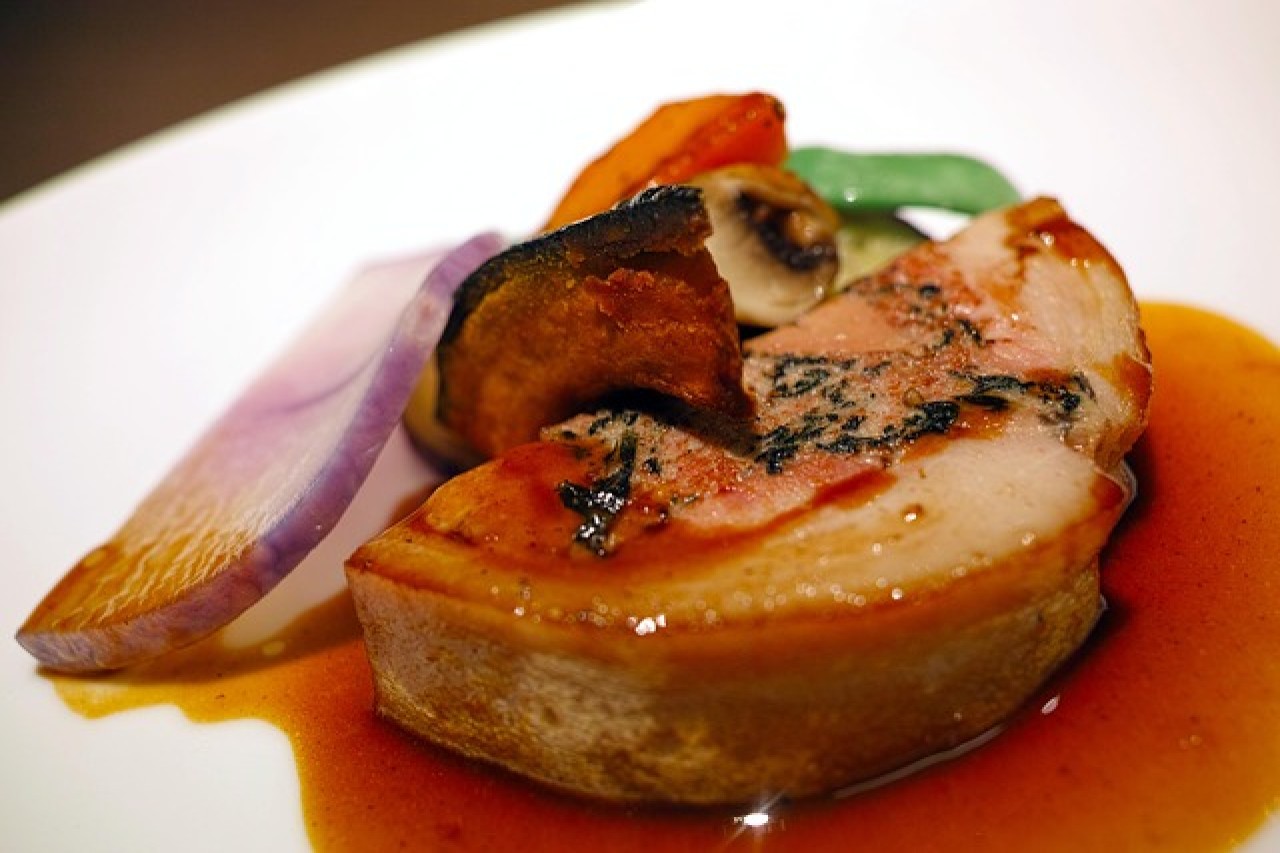
An import ban would cover not only foie gras itself but also, for example, force-fed duck breast (magret) or poultry meat preserved by cooking in fat (confit).
The import of such products by private individuals for personal use would also be affected. The initiative, however, would have no impact on Swiss agriculture: force-feeding domestic poultry has been prohibited in Switzerland for more than forty years.
The consumption of foie gras is more widespread as a tradition in Romandy than in German-speaking Switzerland. This means that French-speaking Switzerland could be outvoted in the referendum. Nevertheless, foie gras is also consumed in German-speaking Switzerland during the Christmas season.
| You can help all animals and our planet with compassion. Choose empathy on your plate and in your glass. Go vegan. |