Kill of Two Wolves Ordered
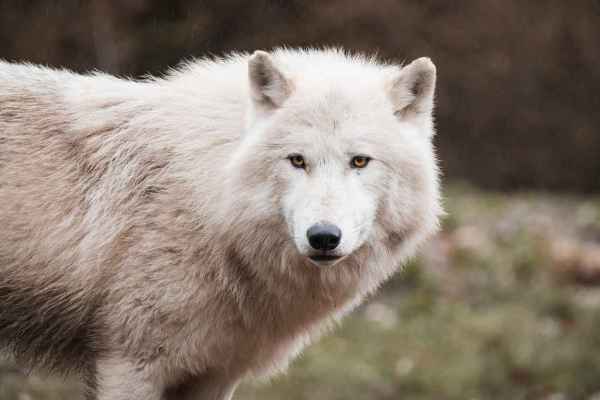
In the canton of Valais, State Councillor Jacques Melly has ordered the killing of two wolves in the Goms and Val d'Anniviers regions. The permits for one wolf kill in each of the two regions are based on the provisions of federal hunting legislation and its ordinance.
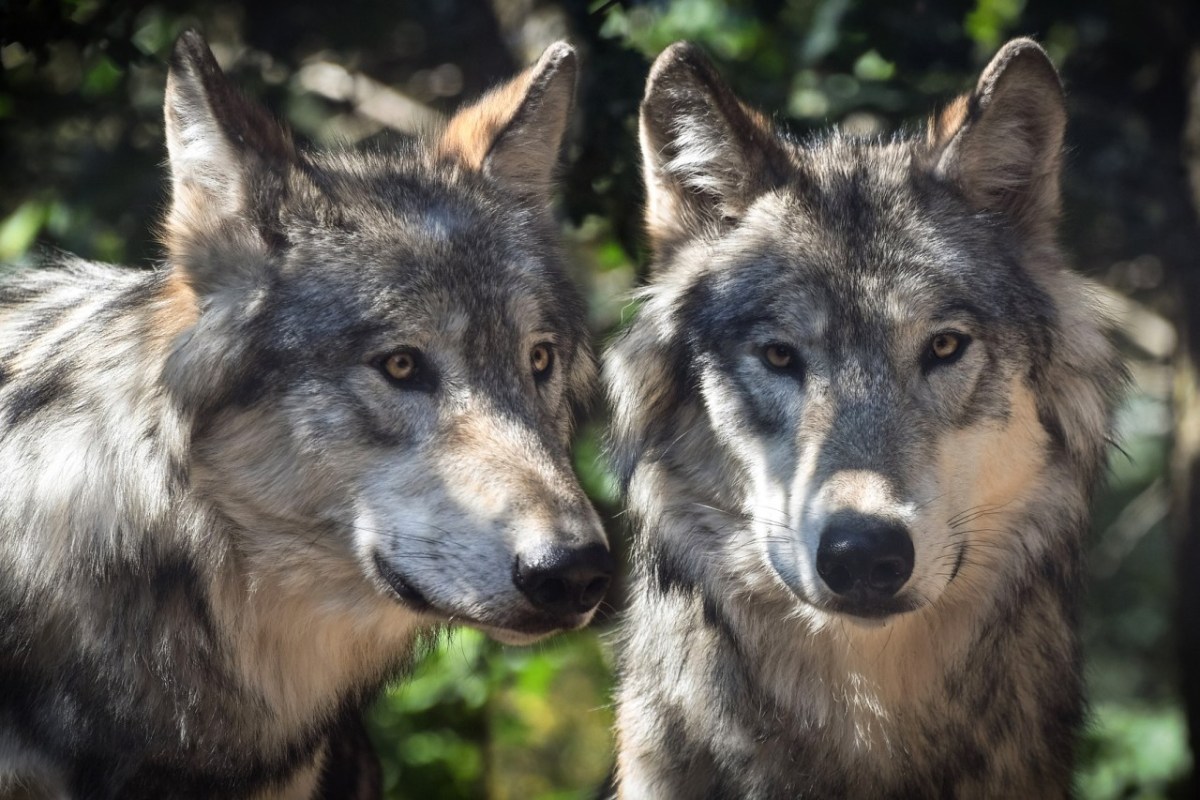
wolf
In the canton of Valais, State Councillor Jacques Melly has ordered the killing of two wolves in the Goms and Val d'Anniviers regions. The permits for one wolf kill in each of the two regions are based on the provisions of federal hunting legislation and its ordinance.
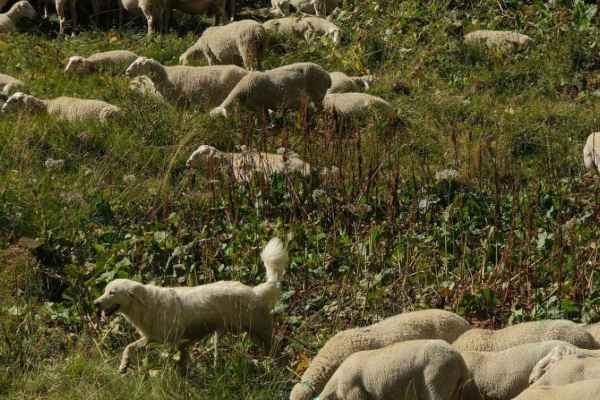
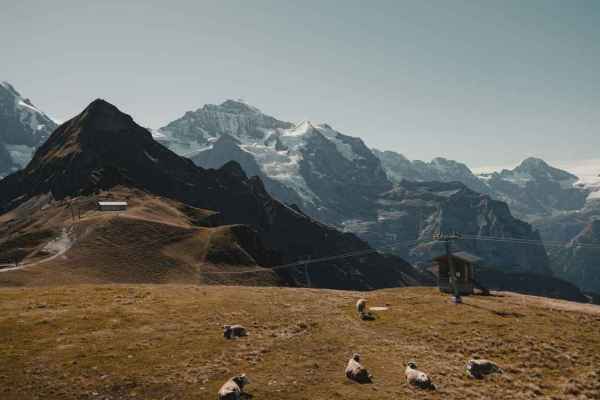
In the Goms region, attacks on livestock increased sharply from mid-August 2018 up to last weekend. At least 23 sheep were killed and ten injured on protected alpine pastures. Since damage had already been recorded in the previous year and more than 15 sheep were killed on the protected alpine pastures, the conditions under Art. 9 of the federal Hunting Ordinance (JSV) for the individual kill of a wolf in the Goms are met.
In the home range of the wolf packs recorded over the past two years in Augstbord – Val d'Anniviers – Vallon de Réchy, no pack situation as defined by the Swiss Wolf Concept could be established up to the beginning of September this year, despite monitoring by means of camera traps, DNA analyses and acoustic traps. On the basis of these facts, the Service for Hunting, Fishing and Wildlife (DJFW) therefore assumes that no wolf pack is currently present in the aforementioned area.
In the Val d'Anniviers, at least 39 sheep were killed in the course of the alpine grazing season, which means the conditions for an individual kill are deemed to be met.
No legal basis in the Val d'Anniviers
The Gruppe Wolf Schweiz (GWS) firmly rejects the kill permit for a wolf in the Val d'Anniviers and regards it as a clear breach of the law. The area counts as pack territory, which means the killing of an individual animal is not permitted. In addition, the reasonable herd protection requirements were not met on the alpine pastures affected by the attacks.
In the Val d’Anniviers, a wolf pack with at least two pups was documented last year. This year, no proof of reproduction has yet been obtained. Several indications do, however, point to the pack still being present.
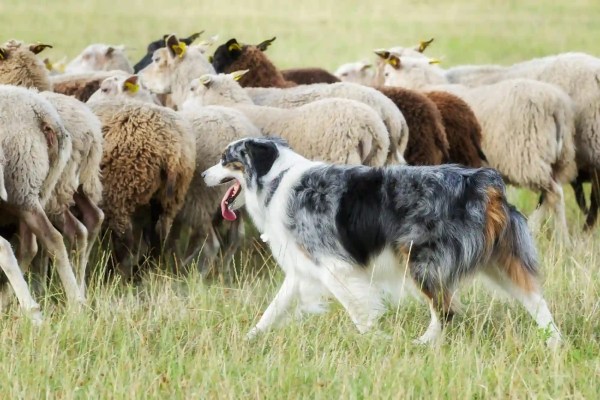
The alpine pastures near Zinal affected by the kills were not protected. This despite the fact that the cantonal sheep alp planning proposes measures that would have made the use of livestock guardian dogs possible. That the alpine pastures around Zinal can indeed be protected is also shown by the fact that two of them do have shepherds and livestock guardian dogs, and there no kills occurred.
The situation in the Goms, where a kill was likewise ordered, has to be assessed differently. According to information from the GWS, the shooting permit there is probably lawful. More on the The animal welfare problem of recreational hunting and on the Hunting Act.
Dossier: Wolf in Switzerland: facts, politics and the limits of hunting
Do you have a tip, a source or a correction for this article? Write to us.
Seen something yourself?
A driven hunt next to a hiking trail, a shot fired near houses, a trap in the forest or an injured wild animal: report it to the Recreational Hunter Radar. We check every tip-off and treat your details confidentially.
More on the subject of recreational hunting: In the dossier The Role and Criticism of Recreational Hunters we shed light on the training, power and self-image of recreational hunters. What the research says about this is shown by Hunting fact-checked: the state of research.
The position of IG Wild beim Wild: IG Wild beim Wild rejects recreational hunting. Our model is the canton of Geneva, which has managed without recreational hunting since 1974: without hunting seasons, without hunting dogs, without driven hunts, without high seats, without the animal cruelty and crime that go hand in hand with hunting season elsewhere. What has worked there for over fifty years disproves every position paper by JagdSchweiz. An association that bases its policy on claims it refutes in its own documents is not a professional organisation, but a factory for misinformation.
Wild animals need a voice
Investigations, petitions and background on recreational hunting. As a thank-you, you will immediately receive our free guide «Recreational hunting on your doorstep: what you can do».
Support our work
With your donation you help protect animals and give their voice a hearing.
Donate now →