Fox petition: Neuchatel to end population-control kills, recreational hunting remains
The Council of State rejects a ban on fox hunting but announces the end of regulatory culls by the wildlife wardens.
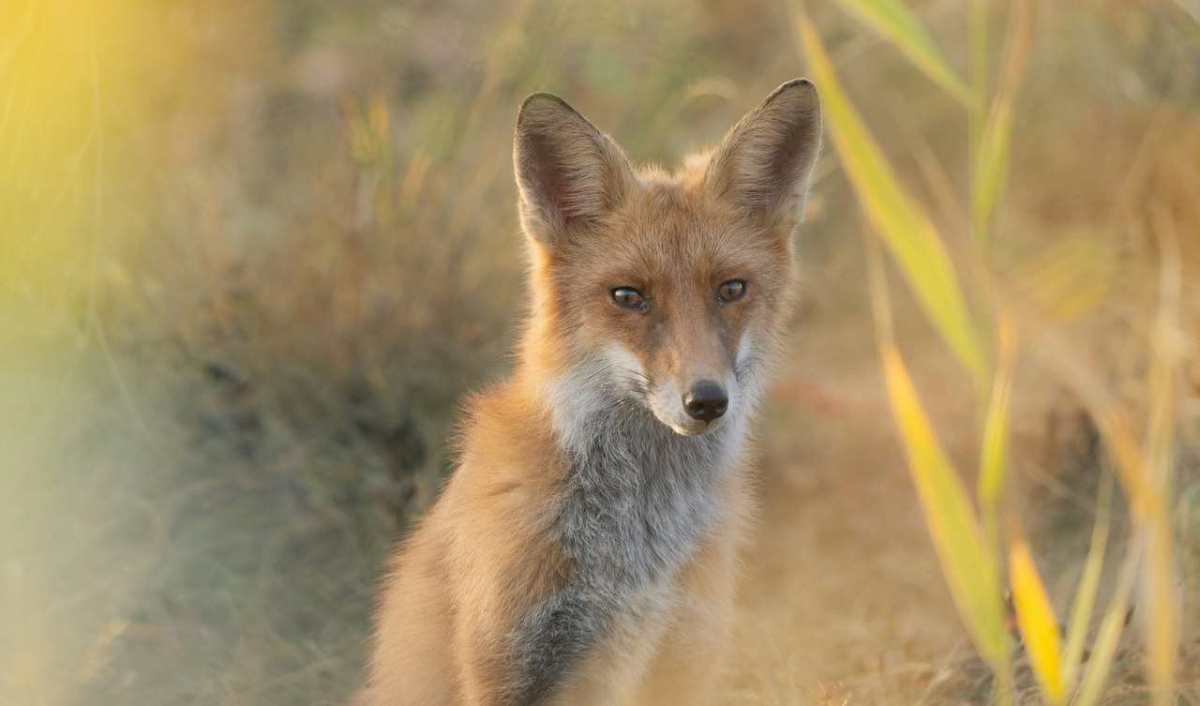
Symbolic image. Photo: Adi Albulescu / Unsplash
Red Snow
On 25 November 2026, the Council of State of the canton of Neuchatel responded to the petition by the Lucerne lawyer Pascal Wolf calling for a ban on general fox hunting. It rejects a ban. At the same time, it announces that in the coming years the wildlife wardens are to stop culling altogether for the general regulation of fox populations. Wild beim Wild has obtained the Council of State's reply letter.
What the Council of State has decided
Pascal Wolf submitted the petition on 14 October 2026. It states that fox hunting cannot be justified as a means of regulating populations, preventing disease, protecting biodiversity or limiting damage, and instead calls for preventive measures and individual interventions in exceptional cases. The Council of State writes that it shares the aim of an animal-friendly, scientifically grounded approach to wild animals.
In concrete terms, this means that the canton and its Office for Fauna, Forests and Nature intend to abandon regulatory culls of foxes entirely in the coming years. In future, the wildlife wardens are to intervene only in justified individual cases, in particular for animals with diseases such as mange or distemper when their condition requires intervention, and where damage has been proven. Preventive measures are to take priority wherever they solve a problem. Future management of the fox is to rest on monitoring its state of health, monitoring its presence and avoiding conflicts.
Recreational hunting of the fox, by contrast, remains permitted. The canton points to its closed season, which runs from 15 January to 31 July and is therefore almost three months longer than the federal closed season from 1 March to 15 June.
The canton's figures
The Council of State bases its position on the federal hunting statistics. In the 1990s, recreational hunters in Neuchatel killed an average of around 500 foxes a year, in the 2000s around 170 and in the 2010s around 60. Since 2020 the figure has been only about 30 a year, almost 95 per cent fewer than three decades ago.
Kills by the wildlife wardens, recorded in the statistics as "special kills", have also fallen sharply: from just under 400 foxes a year in the late 1990s to around 300 in the 2000s, around 100 in the 2010s and about 70 since 2020. On average over the years since 2020, the wildlife wardens thus killed more than twice as many foxes as the recreational hunters. The letter does not say what share of these special kills served general population control and is to be discontinued in future.
In the cantonal comparison for 2025, Neuchatel records 3.4 foxes killed by recreational hunters per 100 km². Vaud is similarly low at 3.5, Valais stands at 30, Bern at around 34, Fribourg at 36 and Jura at 37. How the figures look across the whole of Switzerland is shown in our analysis of the Swiss Hunting Statistics 2025.
Commentary: If recreational hunting regulates nothing, what is it for?
The Neuchatel decision is a step forward. Unlike most cantons, which rejected the petition without any concession, the Council of State engages with the issue, cites figures and announces a concrete change. That the wildlife wardens should no longer shoot foxes as a precaution is a core demand of the petition. After the SWILD report, the canton of Zug decided to stop proactively promoting fox hunting. Neuchatel now goes a step further when it comes to state kills.
The justification for the rejection is not convincing, however. The Council of State expressly states that the few kills by recreational hunters have no appreciable effect on regulating fox populations. In doing so it concedes that the main supposed purpose falls away, yet it does not answer the decisive question: what sufficient reason justifies continuing to kill these non-human animals? That only a few foxes are still being shot is no answer to this. The Bernese government has already admitted that hunting non-threatened species such as the fox is «in effect an end in itself». The Neuchatel figures fit the same picture.
What is more: precisely because recreational hunting of the fox is hardly practised any more in Neuchatel, a ban would take nothing away from anyone that the canton needs. It would merely put into law what the figures have long shown. How little Neuchatel is willing to forgo recreational hunting when it comes to species protection is also evident elsewhere: the canton still permits recreational hunting of the endangered brown hare.
What happens next
It remains unclear when the end of the regulatory kills will take effect. The cantonal government speaks of the “next few years” and names no date. Wild beim Wild will keep following the implementation.
Pascal Wolf's petition is pending in many cantons. How Zug, Bern, Grisons and the other cantons have responded, and where the petition is still pending, for example in the Vaud, can be found on our campaign page. The greatest impact comes from a personal message to the members of your cantonal parliament. You will find addresses and a template text at wildbeimwild.com/fuchsjagd.
Do you have a tip, a source or a correction for this article? Write to us.
More on the subject of recreational hunting: In the dossier Alternatives to recreational hunting we show political and practical alternatives to recreational hunting. The scientific evidence is presented in the overview Studies on the Effects of Recreational Hunting.
The position of IG Wild beim Wild: IG Wild beim Wild rejects recreational hunting. Our model is the canton of Geneva, which has managed without recreational hunting since 1974: without hunting seasons, without hunting dogs, without driven hunts, without high seats, without the animal cruelty and crime that go hand in hand with hunting season elsewhere. What has worked there for over fifty years disproves every position paper by JagdSchweiz. An association that bases its policy on claims it refutes in its own documents is not a professional organisation, but a factory for misinformation.
Wild animals need a voice
Investigations, petitions and background on recreational hunting. As a thank-you, you will immediately receive our free guide «Recreational hunting on your doorstep: what you can do».
Support our work
With your donation you help protect animals and give their voice a hearing.
Donate now →