Özdemir: No VAT on Fruit and Vegetables
Federal Minister Özdemir wants to abolish VAT on fruit, vegetables and legumes. Animal welfare advocates welcome the steering instrument.

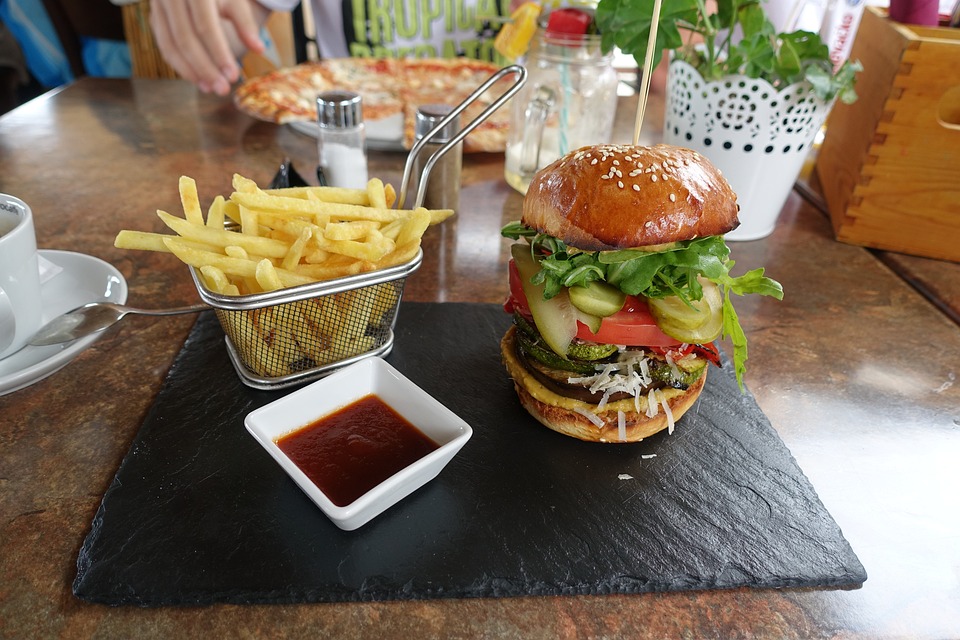
In light of persistently high energy prices and a high inflation rate, Federal Agriculture Minister Cem Özdemir (Greens) spoke out last Saturday in favour of abolishing VAT on fruit, vegetables and legumes.
Animal welfare advocates welcome this effective steering instrument towards an environmentally, climatically and animal-friendly plant-based diet. At the same time, animal rights activists are calling for an increase in VAT on meat, a demand whose effectiveness is supported by current studies.
By abolishing VAT, Özdemir aims not only to relieve consumers financially, but also to create an incentive for a healthy diet. The current model is Spain, which temporarily suspended VAT on staple foods such as fruit, vegetables and bread at the end of the year.
An important lever: plant-based nutrition
«The abolition of VAT on fruit, vegetables and legumes is the right signal. Studies confirm that nutrition and food production are decisive levers for reducing greenhouse gases. They are responsible for approximately one third of all greenhouse gas emissions worldwide.»
The animal rights association has rejected the demand made by the farmers’ association. It would be entirely counterproductive to also suspend VAT on animal products. On the contrary: animal products would need to become more expensive rather than cheaper. An increase in VAT on meat from the current 7 to 19% is long overdue, according to the association.
Study recommends meat tax
According to a study by the University of Bonn, meat consumption in industrialized nations must fall by at least 75% to keep global warming below 1.5 degrees. To achieve this, scientists recommend a meat tax. According to calculations by the University of Oxford, the Potsdam Institute for Climate Impact Research and the Technical University of Berlin, one kilogram of beef would need to be on average 35 to 56% more expensive, lamb and pork 19% more, and poultry 25% more. The three most important measures are switching to a “highly plant-based diet,” reducing food waste, and lower-emission production.
Measures for an Agricultural and Food Transition
Against this backdrop, animal rights advocates are calling for, in addition to the abolition of value-added tax on plant-based foods, a drastic reduction in meat consumption and livestock numbers, exit bonuses for farmers and the expansion of plant-based protein sources.
Download the 10-page brochure: Demands for an Agricultural and Food Transition as PDF.
| You can help all animals and our planet with compassion. Choose empathy on your plate and in your glass. Go vegan. |
More on the subject of recreational hunting: The scientific evidence is presented in the overview Studies on the Effects of Recreational Hunting.
The position of IG Wild beim Wild: IG Wild beim Wild rejects recreational hunting. Our model is the canton of Geneva, which has managed without recreational hunting since 1974: without hunting seasons, without hunting dogs, without driven hunts, without high seats, without the animal cruelty and crime that go hand in hand with hunting season elsewhere. What has worked there for over fifty years disproves every position paper by JagdSchweiz. An association that bases its policy on claims it refutes in its own documents is not a professional organisation, but a factory for misinformation.