Mistaken for a fox: Recreational hunter shoots three horses
A recreational hunter had accidentally shot two of his own horses.


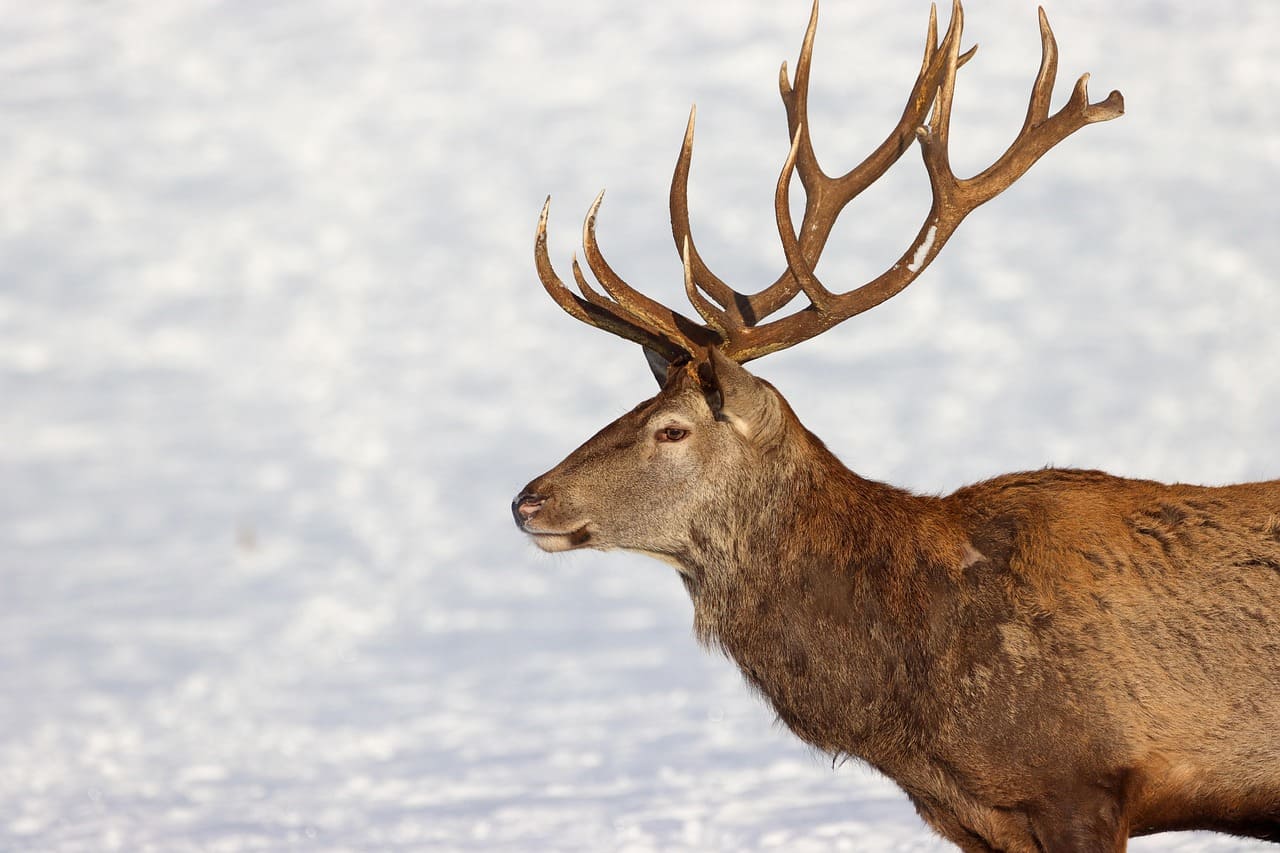
“Mistaken for a Red Deer”
On 13.2.2025, witnesses informed the Zweibrücken police that their horse had been found shot dead in a pasture in the Hornbach area.
Emergency responders were able to identify a total of three dead horses and one dead fox in the paddock. Based on current knowledge, the animals were presumably shot during the night of Wednesday to Thursday.
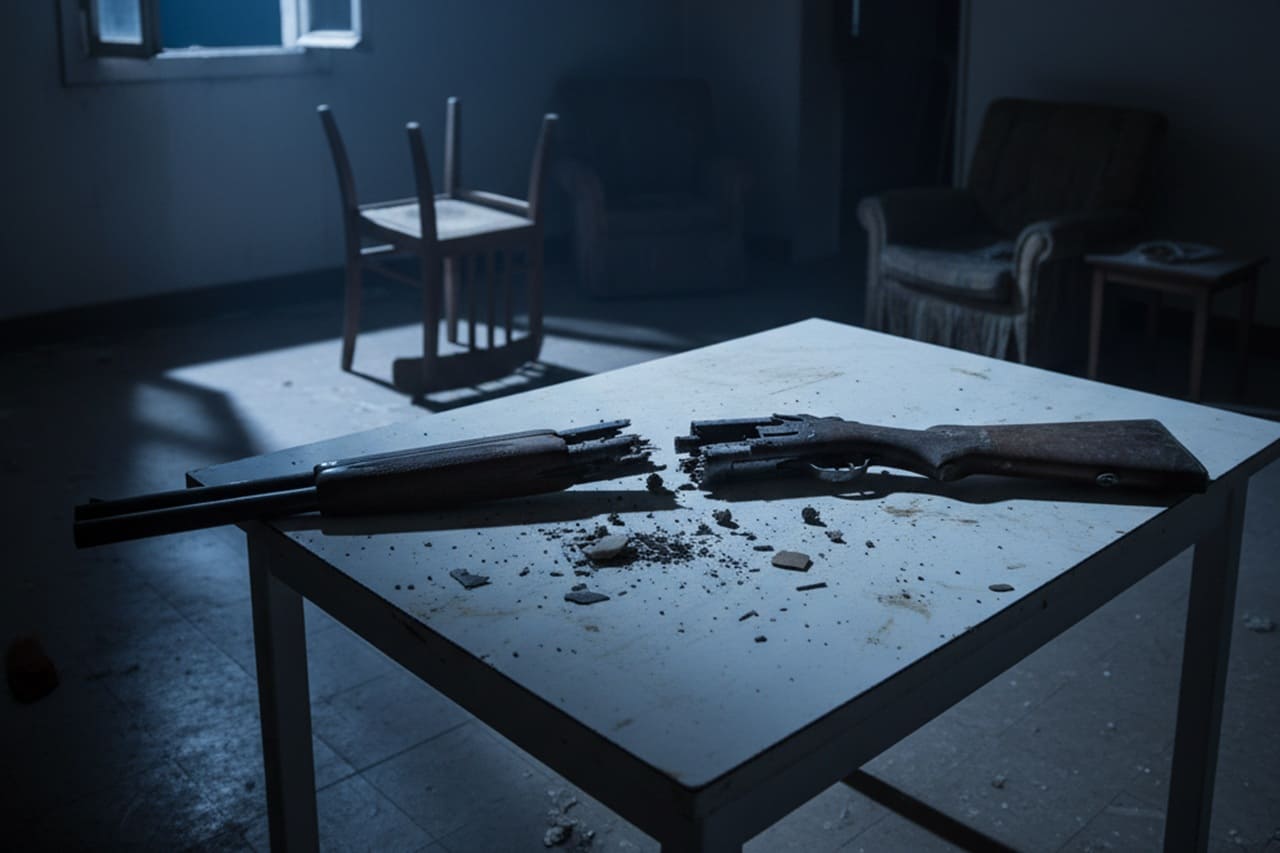
An 82-year-old recreational hunter was identified as the responsible shooter. Two of the killed horses reportedly belonged to this farmer, while the third horse belonged to a 60-year-old from the district. The alleged murder weapon was seized by the police.
The weapons authority of the Südwestpfalz district administration was also on site and confiscated additional weapons as well as the shooter's firearms ownership card and hunting licence.
The man's firearms permit is currently under review. The veterinary office of the district administration acted in an expert advisory capacity for the police and the public prosecutor's office during the operation. The background to the incident is currently the subject of criminal investigations.
In the view of IG Wild beim Wild, hobby hunters require annual medical-psychological fitness assessments modelled on the Dutch system, as well as a binding upper age limit. The largest age group among recreational hunters today is 65+. Within this group, age-related impairments such as declining vision, slowed reaction times, lapses in concentration and cognitive deficits increase significantly from a statistical standpoint. At the same time, accident analyses show that the number of serious hunting accidents involving injuries and fatalities rises significantly from middle age onwards.
The regular reports of hunting accidents, fatal errors, and the misuse of hunting weapons highlight a structural problem. The private ownership and use of lethal firearms for recreational purposes largely escapes continuous oversight. From the perspective of IG Wild beim Wild, this is no longer justifiable. A practice based on voluntary killing that simultaneously generates considerable risks for humans and animals forfeits its social legitimacy.
Hobby-hunting is furthermore rooted in speciesism. Speciesism describes the systematic devaluation of non-human animals solely on the basis of their species membership. It is comparable to racism or sexism and can be justified neither culturally nor ethically. Tradition does not substitute for moral scrutiny.
Critical examination is indispensable particularly in the realm of recreational hunting. Scarcely any other field is so thoroughly shaped by euphemistic narratives, half-truths, and deliberate disinformation. Where violence is normalised, narratives frequently serve the purpose of justification. Transparency, verifiable facts, and an open public debate are therefore essential.
Recognised studies confirm that, from an ecological standpoint, there is no necessity for hunting. According to the renowned biologist Prof. Dr. Josef Reichholf, natural regulation of animal populations living in forests occurs through environmental influences such as weather conditions, food availability, and disease.
British experts also concluded that fox populations in particular self-regulate on the basis of food availability and social factors. Hunting, by contrast, destroys the age and social structures of animal populations, which leads to increased reproduction among survivors. Losses within the population are thus rapidly offset — or even overcompensated — by offspring and immigration.
Hunting is unnecessary, counterproductive, and cruel.
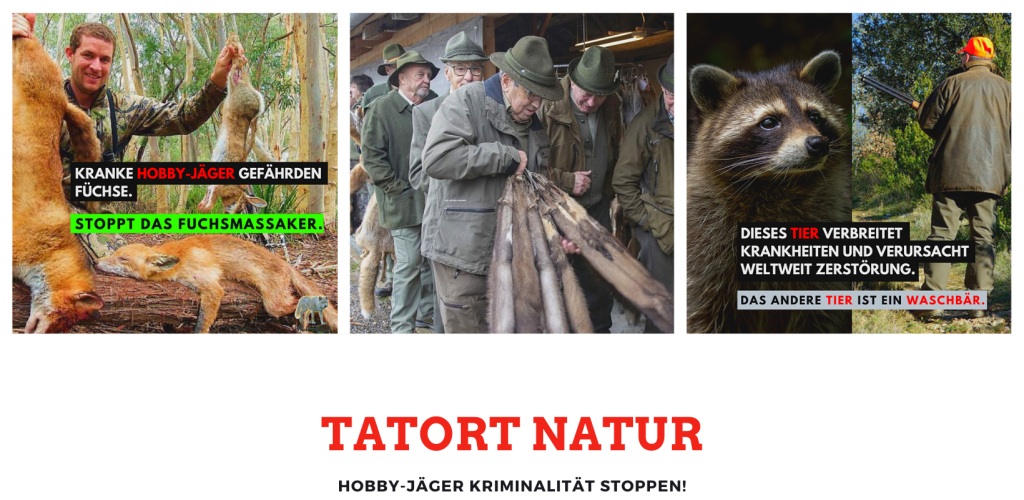
More on the subject of recreational hunting: In the dossier Poaching and hunting crime in Switzerland we document cases, legal questions and recurring patterns. What the research says about this is shown by Hunting fact-checked: the state of research.
The position of IG Wild beim Wild: IG Wild beim Wild rejects recreational hunting. Our model is the canton of Geneva, which has managed without recreational hunting since 1974: without hunting seasons, without hunting dogs, without driven hunts, without high seats, without the animal cruelty and crime that go hand in hand with hunting season elsewhere. What has worked there for over fifty years disproves every position paper by JagdSchweiz. An association that bases its policy on claims it refutes in its own documents is not a professional organisation, but a factory for misinformation.