Ortolans drowned and eaten despite the ban
In Switzerland, it is listed as Critically Endangered (CR) on the Red List and protected at great expense — in France, it is simply eaten: the ortolan, also known as the ortolan bunting. The ortolan only began spreading across Europe in the 17th century. Today it inhabits almost the entire continent, but occurs only sparsely over large areas and has been suffering severe population declines since the

“They Came Far”
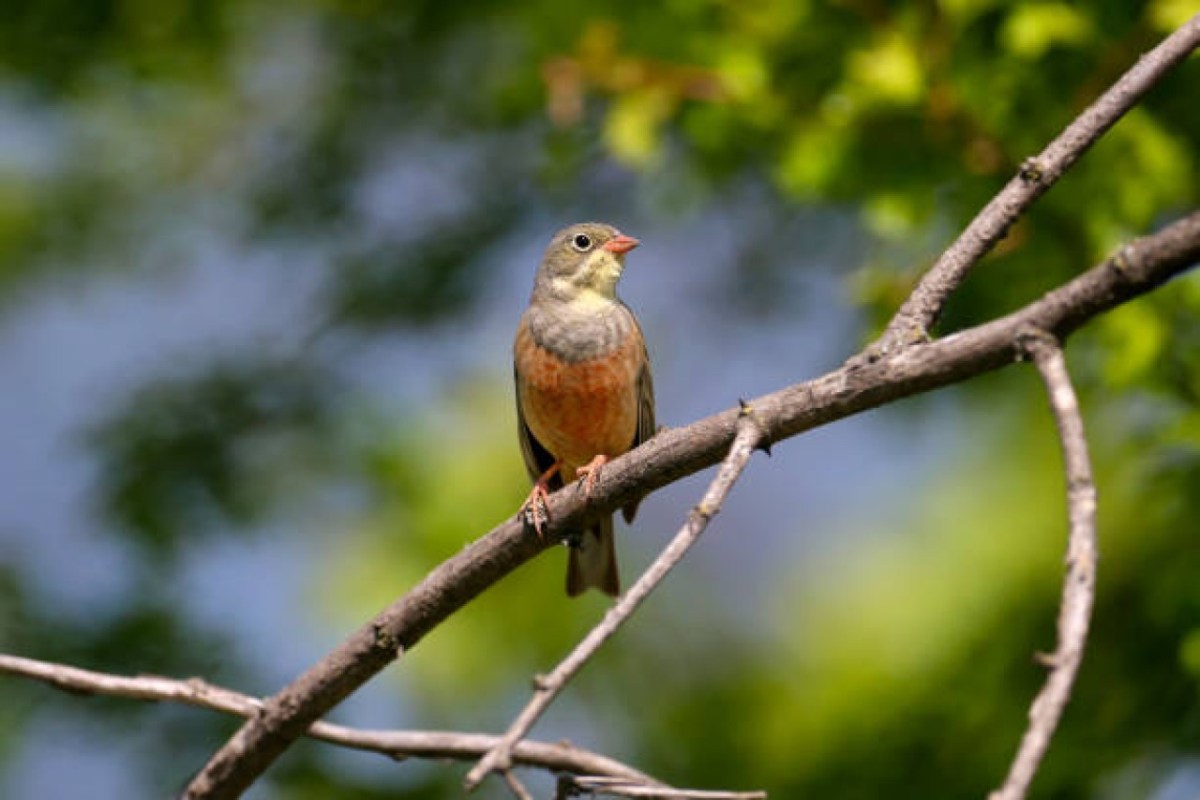
In Switzerland, it is listed as Critically Endangered (CR) on the Red List and protected at great expense — in France, it is simply eaten: the ortolan, also known as the ortolan bunting.
The ortolan only began spreading across Europe in the 17th century. Today it inhabits almost the entire continent, but occurs only sparsely over large areas and has been suffering severe population declines since the 1960s.
Yet fewer and fewer birds were returning from their winter quarters to their European home. Thousands of the birds were caught in France to be fattened into “fattened buntings” and sold to starred restaurants for high prices.
A cruel tradition
This refers to a tradition from France in which protected songbirds are mistreated and eaten. The wealthy French upper class has these songbirds captured and first fattened in complete darkness for 2 weeks. After fattening, the birds are two to three times their original weight. They are then drowned in French Armagnac brandy.

A forbidden delicacy
Since 1980, the population has declined by 88% across Europe. Only since the official ban on catching the birds has it been able to recover slightly. Unfortunately, ortolans are still being illegally caught and killed and eaten in the manner described.
A complaint filed by the EU against France in 2016 before the ECJ for violations of the Bird Protection Directives, along with massive interventions by numerous animal welfare organizations, brought at least a legal turning point. The ban came into force in 2017.
Rural Identity at Risk?
The European Commission recently ratified a ban on lead ammunition by 2023, which will force more than one million French recreational hunters to switch weapons.
A month ago, permits for recreational hunting of lapwings, golden plovers, skylarks, thrushes, and blackbirds were also banned. The reason given: «These permits do not meet the requirements of European bird protection law.»
«We have decided to lay down our weapons and say ‘Stop’», said Vanessa Maynes, president of the hunting association of Pissos.
Recreational hunters fear new bans and are calling on the entire rural community in southern France to take part in a demonstration on 18 September.
More on the subject of recreational hunting: In our dossiers on the criticism of recreational hunting gather fact-checks, analyses and background reports. The scientific evidence is presented in the overview Studies on the Effects of Recreational Hunting.
The position of IG Wild beim Wild: IG Wild beim Wild rejects recreational hunting. Our model is the canton of Geneva, which has managed without recreational hunting since 1974: without hunting seasons, without hunting dogs, without driven hunts, without high seats, without the animal cruelty and crime that go hand in hand with hunting season elsewhere. What has worked there for over fifty years disproves every position paper by JagdSchweiz. An association that bases its policy on claims it refutes in its own documents is not a professional organisation, but a factory for misinformation.