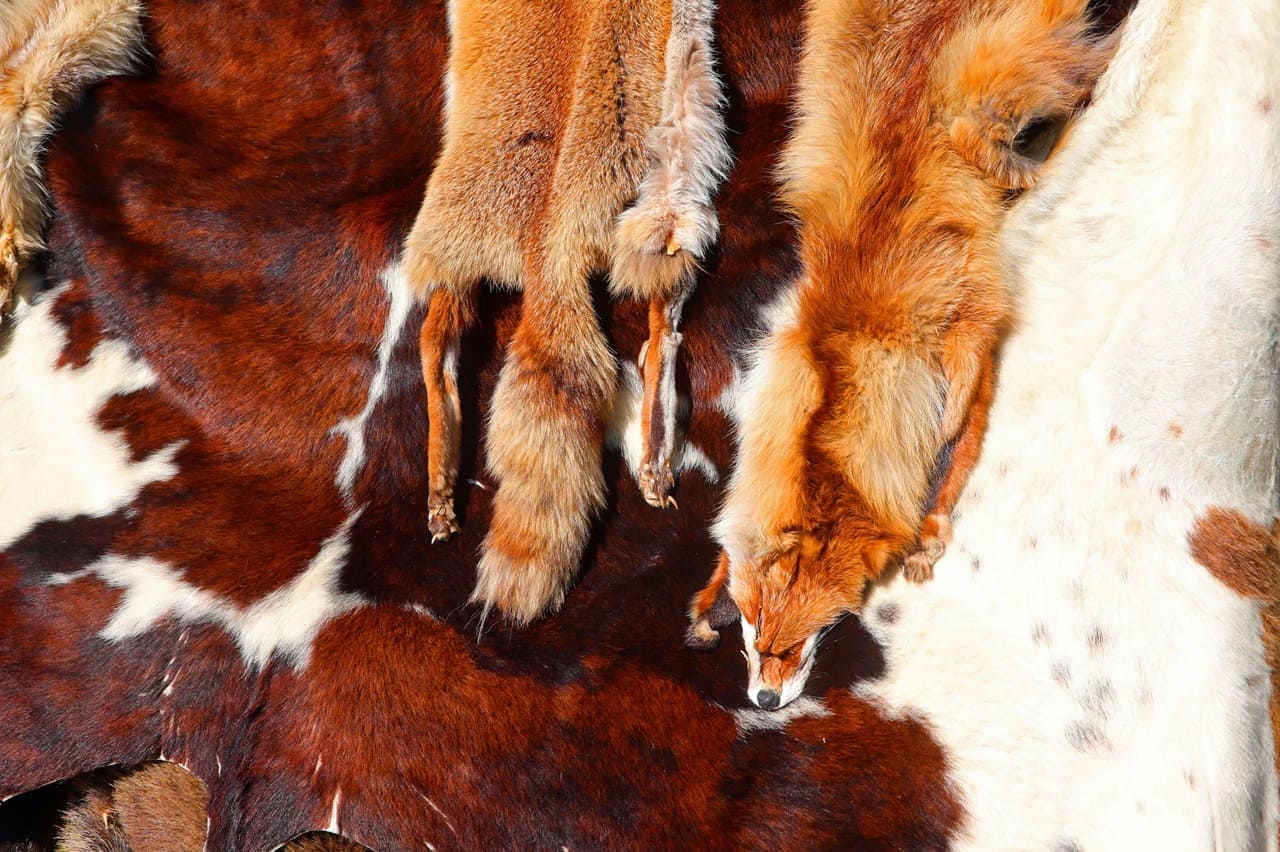
Japan plans to reintroduce wolves to repair the ecosystem
The Japan Wolf Association says that the return of wolves to the wild would help curb costly agricultural damage caused by deer, wild boar, and monkeys.

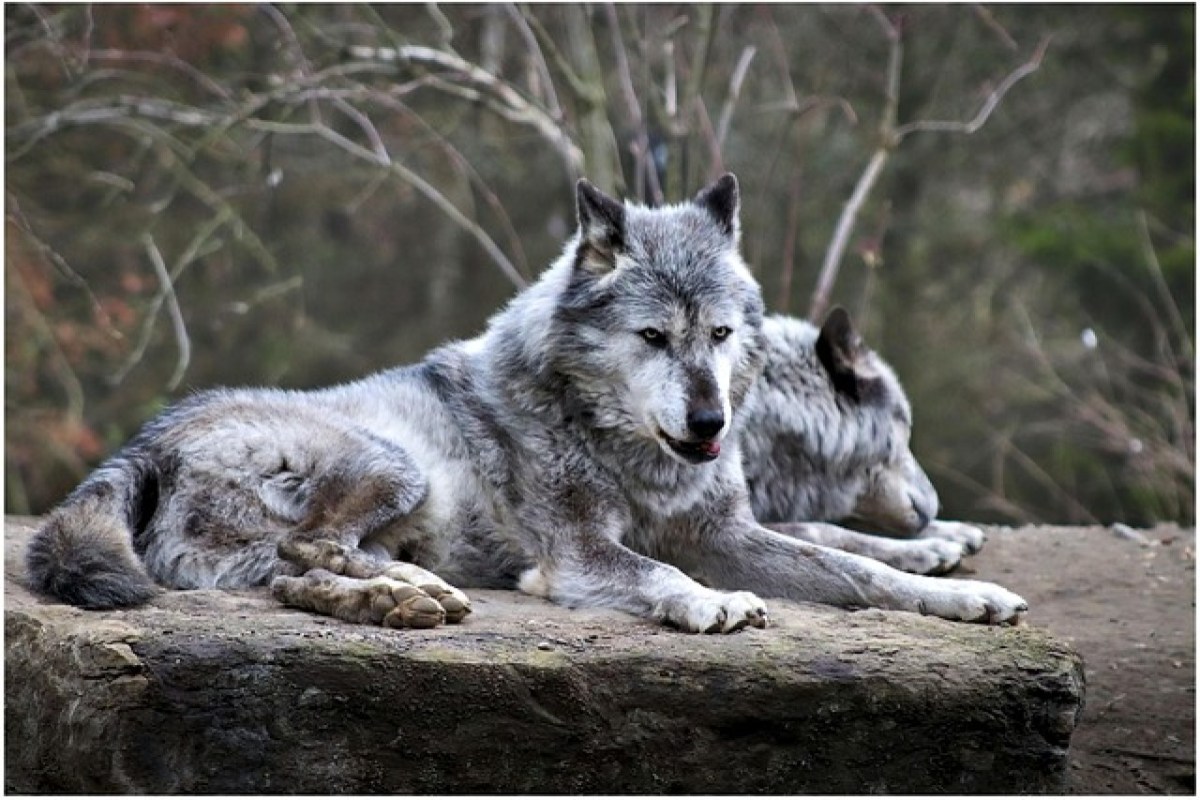
«Homecoming»
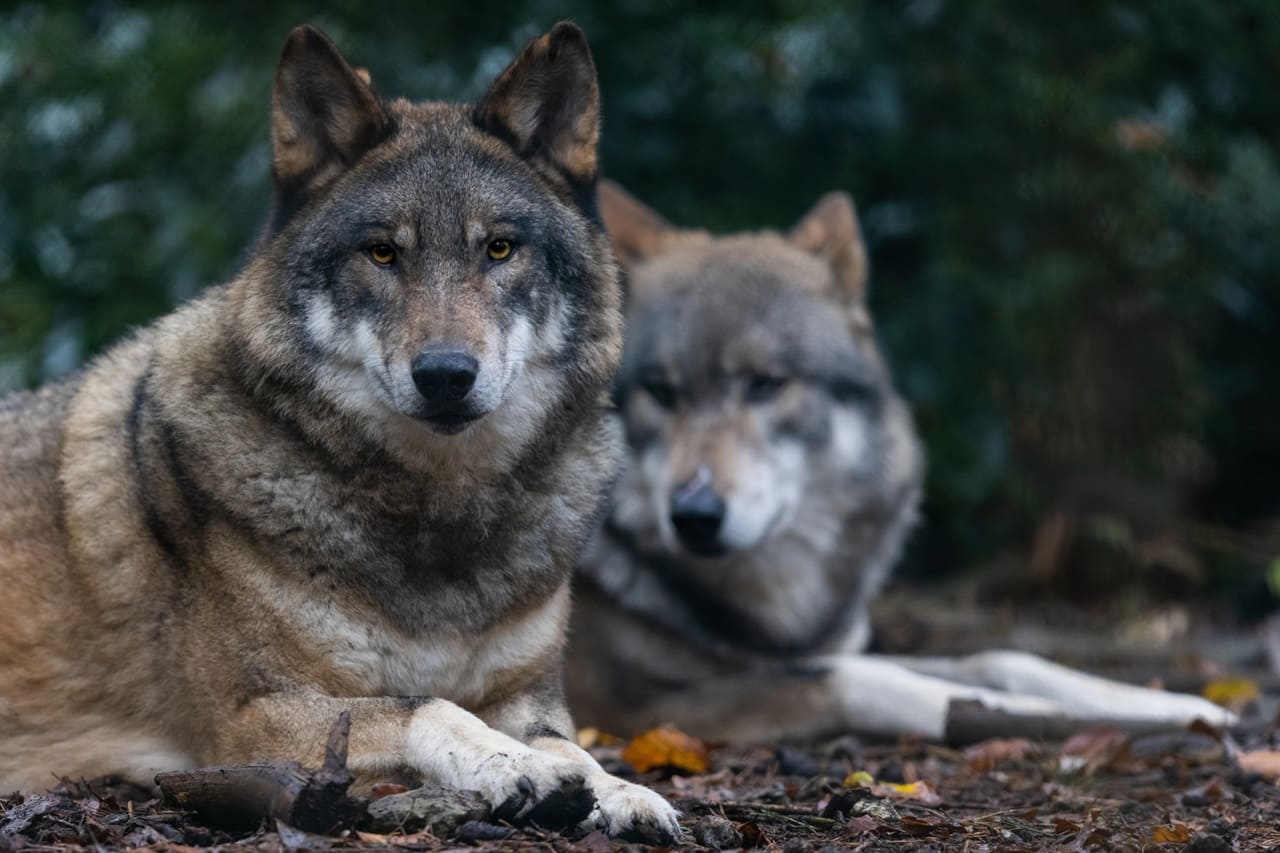
A plan to reintroduce wolves to Japan more than a century after their eradication through hunting is gaining momentum, as conservationists warn that the country's rural ecosystems are increasingly falling out of balance due to booming wildlife populations whose management is costly.
The Japan Wolf Association (JWA), founded in 1993, argues that the return of wolves to the wild could restore the natural order in the countryside and help curb the agricultural damage caused annually by deer, wild boar, and monkeys, amounting to several billion yen.
The group is preparing small-scale rewilding trials in remote regions and is downplaying the risks to the human population — yet given the fearsome reputation of wolves, not everyone is convinced that this is a wise move.
The head of a timber company in the central Japanese prefecture of Nara is convinced that reintroducing the apex predator is the right course of action.
Wolves became extinct in Japan more than 100 years ago, but deer have now become a major problem for agricultural communities across the country. They eat crops and natural vegetation in the mountains, and we believe that reintroducing wolves would help restore the natural balance.
Japanese farmers also have to contend with hordes of marauding monkeys, which can rapidly devastate particularly attractive crops, as well as wild boar, which dig up root vegetables.
According to the JWA, the damage caused by wildlife caused damage to crops annually amounting to nearly 10 billion yen (69 million US dollars).
Wildlife is also blamed for countless traffic accidents per year as well as for injuries to people.
The number of deer and wild boar has increased sharply as rural areas of Japan have become increasingly depopulated. Young people move to major cities in search of work, and fewer and fewer people practice hunting, which the association says is necessary to keep wildlife populations under control.
Citing the success of a program to reintroduce the Japanese ibis, the JWA has proposed importing wolves from China for the main islands of Honshu, Shikoku, and Kyushu, and more robust species from Siberia for the northernmost main island of Hokkaido.
“We believe that Hokkaido would be one of the best places to start a reintroduction program. Technically and biologically it would be a good location, and we think the mountainous interior would be suitable for reintroduction,” said Otsuki.
“We would start with a small group and then let it grow gradually,” he said, but acknowledged that there were “political problems” in the form of opposing legislators to overcome.
The risk of wolf attacks on people was very low based on experience in Europe and North America. He also pointed out that while many people fear wolves, bear attacks in remote areas are more common.
More on the subject of recreational hunting: In our dossiers on the criticism of recreational hunting gather fact-checks, analyses and background reports. What the research says about this is shown by Hunting fact-checked: the state of research.
The position of IG Wild beim Wild: IG Wild beim Wild rejects recreational hunting. Our model is the canton of Geneva, which has managed without recreational hunting since 1974: without hunting seasons, without hunting dogs, without driven hunts, without high seats, without the animal cruelty and crime that go hand in hand with hunting season elsewhere. What has worked there for over fifty years disproves every position paper by JagdSchweiz. An association that bases its policy on claims it refutes in its own documents is not a professional organisation, but a factory for misinformation.